

A heat pump repair visit is a technician-led service that diagnoses, repairs, and tests the heating components that keep your home comfortable, safe, and efficient. This guide walks Acadiana homeowners through what to expect on a repair call, why certain symptoms point to specific subsystems, and how a pro verifies the fix before they leave. Many people search for “heat pump repair,” “heat pump not heating,” or “heat pump repair cost” or “heat pump repair services in Acadiana” when comfort drops or bills rise — this article connects those searches to practical steps, common repairs, and decision checkpoints.
You’ll find clear warning signs to watch for, a step‑by‑step technician visit walkthrough, typical cost drivers and sample ranges, emergency scenarios and response expectations, plus a maintenance checklist to reduce future failures. The advice here reflects HVAC best practices and local service expectations so you can spot problems, compare quotes, and decide whether to repair or replace with confidence. At the end, we explain local service features that help homeowners move from awareness to timely repairs.
What Are the Common Signs Your Heat Pump Needs Repair?

When a heat pump is failing it usually gives off recognizable symptoms tied to parts like the compressor, reversing valve, coils, fan motor, or thermostat. Spotting those signs early cuts downtime and limits repair scope because technicians can focus on likely trouble spots. This section lists the most common warning flags, notes which subsystem each sign points to, and offers safe, temporary troubleshooting you can try while you arrange a professional visit. Knowing these clues helps you decide when a quick fix is okay and when it’s time to call a tech.
Most homeowners notice problems first through sound, airflow, or temperature — catching patterns quickly makes diagnosis faster and helps avoid bigger issues like compressor or electrical failures. The next sections break down common warning signs and clear guidance on when to move from DIY to pro help.
What Warning Signs Indicate a Failing Heat Pump?
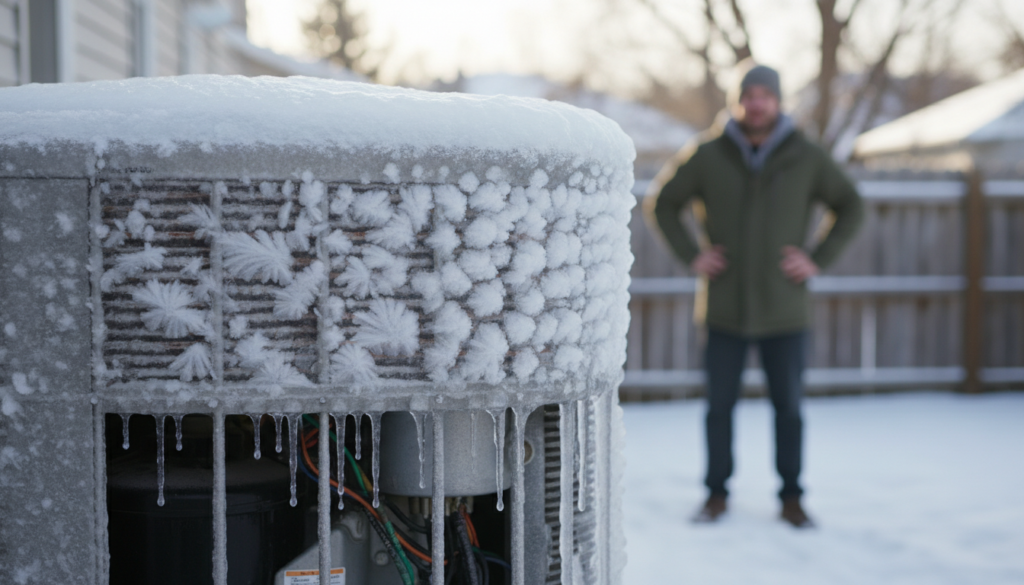
Unusual noises, inconsistent heating, short cycling, visible ice buildup, and a sudden jump in energy bills are common red flags. Grinding or rattling often points to a failing fan motor or loose parts; warm air when the unit is set to heat can mean low refrigerant, a bad reversing valve, or compressor trouble. Ice on the outdoor coils typically indicates airflow restriction or a low refrigerant charge — left unchecked that can harm the compressor. Higher electric bills with reduced output usually trace back to dirty coils, worn components, or controls that aren’t cycling correctly. Spotting one or more of these signs should prompt a diagnostic visit before a small issue becomes a major repair.
Recognizing persistent symptoms speeds accurate diagnosis and leads into when to call a trained HVAC technician for safe, reliable repairs.
When Should You Call a Professional HVAC Technician?
Call a pro when the heat pump shows safety issues, steady performance loss, or problems beyond basic homeowner maintenance. Immediate reasons to get professional help include smoke or burning smells, circuit breakers tripping, heavy ice buildup that won’t clear, or a complete loss of heat during cold weather. For less urgent but worrying signs — slight noise increases or a gradual drop in efficiency — schedule a diagnostic so a technician can check pressures, electrical loads, and airflow before the issue worsens. Professionals have the tools and certifications to handle refrigerant, electrical systems, and warranty‑sensitive work safely. Getting help early often lowers overall cost by fixing root causes instead of treating symptoms repeatedly.
Knowing when a problem is beyond DIY naturally leads to the step‑by‑step repair visit process and the tests technicians run on-site.
How Does the Heat Pump Repair Process Work Step-by-Step?
A typical heat pump repair visit follows a clear, transparent flow: intake and scheduling, on-site diagnosis with specialized tools, presentation of findings and repair options, completion of agreed work, then post‑repair verification and homeowner guidance. This structure ensures technicians tie symptoms to measurable faults — using pressure gauges, multimeters, and airflow tools — and explain options that balance cost, lifespan, and efficiency. Expect technicians to document findings, give itemized estimates separating parts and labor, and confirm repairs through testing before they leave. Knowing each step sets realistic expectations for timing, temporary fixes, and follow‑up needs.
Below is a concise map of what technicians typically do during a repair visit to prepare you for the sequence of events.
| Step | Technician Action | Expected Outcome |
|---|---|---|
| Intake & Scheduling | Collect system history and symptoms from homeowner | Clear job scope and prioritized checks |
| Visual Inspection | Examine outdoor/indoor units, wiring, and airflow | Identify obvious damage or obstruction |
| Diagnostic Testing | Use gauges, multimeter, temperature sensors, and airflow tools | Pinpoint failed components and performance metrics |
| Estimate & Approval | Explain findings, present parts/labor/warranty options | Homeowner chooses repair path with clear costs |
| Repair & Replacement | Install parts, adjust controls, evacuate/recharge refrigerant if needed | Restored mechanical function and safety |
| Post-Repair Testing | Measure temperature delta, run cycles, verify electrical loads | Confirmed resolution and documented results |
This step map summarizes a typical technician workflow and clarifies what outcomes you should expect, which leads into a closer look at the initial diagnosis and inspection.
What Happens During the Initial Diagnosis and Inspection?
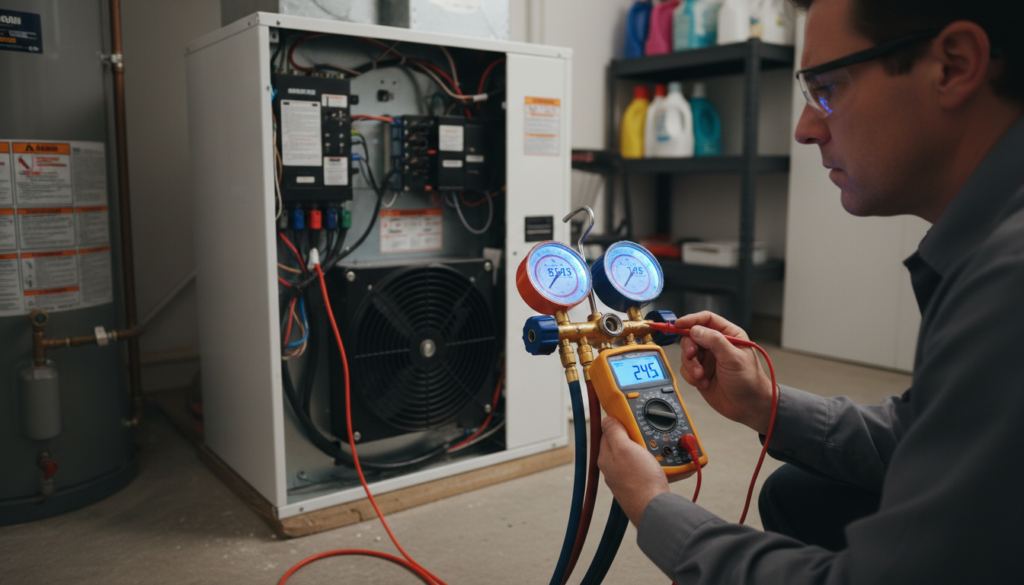
On the initial diagnosis the technician runs safety checks, talks with you about symptoms and system history, then performs a visual and instrumented inspection of both indoor and outdoor components. Common tools include a multimeter for electrical checks, refrigerant gauges to read pressures and find leaks, and infrared thermometers to measure temperature differences across coils. They’ll also check airflow and filter condition. Technicians document abnormal readings, photograph visible damage when present, and estimate repair time or parts needed. Diagnostic time varies by complexity, but expect the tech to take the time needed to gather data rather than guess — that’s the basis for a transparent repair plan.
Gathering solid diagnostic data naturally leads to how technicians present problems and repair options so you can make an informed choice.
How Are Problems Explained and Repair Solutions Presented?
Technicians translate diagnostic readings into plain explanations that link symptoms to the likely failed components, then outline repair choices with costs, timelines, and warranty implications. Best practice is to separate labor from parts, clarify whether a repair restores original efficiency, and offer replacement as an option when it makes sense. For example, a bad capacitor is often a low‑cost fix with immediate improvement; a compressor failure is a higher‑cost repair with long‑term efficiency implications. Many local providers share pricing up front and offer financing — for instance, 0% APR options for qualified applicants — so you can weigh repair versus replacement practically. Clear, direct explanations remove uncertainty and help you choose a path that fits your budget and comfort needs.
With repair options understood, homeowners should know which component work commonly happens during service visits.
What Repairs and Component Replacements Are Common?
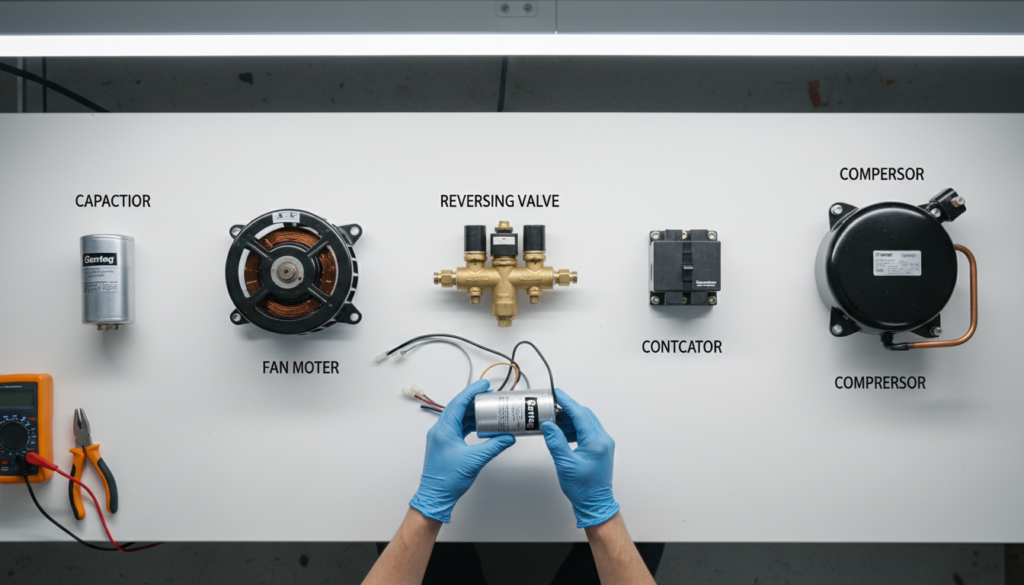
Common heat pump repairs include replacing capacitors and fan motors, fixing refrigerant leaks and recharging systems, servicing or replacing reversing valves, and occasionally replacing compressors or control boards. Symptoms vary by part: failing capacitors often cause hard starts or weak fan spin; refrigerant leaks lead to temperature loss and ice; reversing valve problems show up as incorrect mode switching between heat and cool. Technicians also clean coils, replace contactors, and address airflow restrictions by servicing filters and ducts as part of comprehensive repairs. Knowing which parts commonly fail helps you prioritize inspections and compare quotes when multiple options are presented.
Understanding frequent repairs sets expectations for the post‑repair testing technicians perform to confirm a durable fix.
How Is Post-Repair Testing and Verification Conducted?
Post‑repair testing combines running the system through full cycles, rechecking refrigerant pressures, measuring temperature differences across the evaporator and condenser, and verifying electrical loads against manufacturer tolerances. Technicians log pre‑ and post‑repair metrics and should show you key indicators like temperature delta and stable run times to prove performance is restored. They’ll also check for leaks, confirm thermostat calibration, and verify that replaced parts integrate correctly with the controls. Documentation normally includes work performed, parts installed, and suggested follow‑up maintenance to protect efficiency and warranty coverage, giving you a clear service record for the future.
Verifying repairs wraps up the visit and leads into the factors that influence repair pricing.
What Factors Influence Heat Pump Repair Costs?

Repair costs depend on several variables: which component needs work, labor hours, parts availability, unit accessibility, brand and model, refrigerant type, and the system’s warranty or maintenance history. Major drivers such as compressor replacement or refrigerant retrofits are far more expensive than capacitor swaps or fan motor replacements because of part costs and labor complexity. Local labor rates and emergency or priority-service premiums can also raise the final price, and older systems may require harder‑to‑find parts.. Knowing these cost drivers helps you evaluate quotes against expected lifespan and energy savings after repair.
Below is a practical cost comparison for typical repairs so homeowners can set expectations and see how common components compare in price.
The following table provides a quick comparison of common component issues and typical cost ranges so you can gauge the scale of likely repairs.
| Component | Common Problem | Typical Cost Range |
|---|---|---|
| Capacitor | Unit won’t start or weak fan spin | $100 – $250 |
| Fan Motor | Loud noise; reduced airflow | $200 – $600 |
| Refrigerant Leak Repair | Low charge; ice buildup | $150 – $700 (plus recharge) |
| Contactor / Control Relay | Intermittent starting issues | $100 – $300 |
| Reversing Valve | Incorrect mode or no heating | $400 – $1,200 |
| Compressor | System failure; no heat | $1,000 – $3,500+ |
This table shows that small electrical parts and motors are typically the least expensive fixes, while compressors and major refrigeration components drive the highest bills important context when weighing repair versus replacement.
What Are Typical Repair Costs for Common Heat Pump Issues?
Repair costs vary widely: small electrical parts and controls usually cost a few hundred dollars, motors and refrigerant work can reach several hundred to around a thousand, and compressor replacements or major refrigeration overhauls often exceed a thousand dollars. Geography, brand parts pricing, and whether newer refrigerant blends are required all influence the final price. Warranties and recent maintenance records can lower costs by covering parts or simplifying diagnostics. Always ask for an itemized estimate separating parts, labor, and any follow‑up service so you understand the true cost and value.
Understanding price ranges leads into a repair‑versus‑replace framework that weighs age, efficiency, and recurring expenses.
How Do You Decide Between Repairing or Replacing Your Heat Pump?
Deciding to repair or replace depends on unit age, repair frequency, current and projected energy costs, and the size of the required work. A common rule of thumb is to consider replacement if repairs approach half the cost of a new unit or if multiple major components fail in a short period. Also factor in long‑term efficiency: older heat pumps with low HSPF can cost more to run even after repairs. Financing options can change the math for example, 0% APR deals for qualified buyers may make replacement more affordable. Compare immediate cost, expected remaining life, and projected savings from a newer, more efficient system to make the best choice for your home.
When urgent failures happen, homeowners need to know when emergency service is appropriate and what to expect from fast response repairs.
When Is Emergency Heat Pump Repair Needed and How Does It Work?
Emergency repair is appropriate when failures create immediate safety risks, severe cold exposure, or electrical hazards that could harm property or occupants. Emergency examples include complete loss of heat during extreme cold, smoke or burning smells coming from the unit, visible electrical arcing, or conditions that put vulnerable household members at risk. Emergency response prioritizes safety: technicians triage the problem, perform temporary measures to restore comfort when possible, and schedule permanent repairs as needed. Knowing what qualifies as an emergency helps you avoid needless premium fees while ensuring fast help when it truly matters.
The sections below list common emergency scenarios and explain how rapid‑response services typically operate.
What Situations Require Emergency Heat Pump Service?
Call for emergency service right away if you have a total loss of heating during a dangerous cold snap, visible smoke or burning odors from the unit, persistent electrical sparking or repeated breaker trips, or sudden compressor failure when occupants depend on the system. Waiting in these situations risks property damage or health hazards, so immediate professional help is appropriate. While some issues can be temporarily mitigated with safe household steps, true emergencies need certified techs with the right tools and parts. Spotting these cases quickly helps ensure safe outcomes and limits collateral damage.
How Does Fontenot’s Provide Rapid and Reliable Emergency Repairs?
Fontenot’s Air Conditioning & Heating emphasizes fast response and emergency availability as core parts of its local service. Staffing and scheduling are set up to minimize homeowner downtime and restore comfort quickly. The company pairs factory‑trained comfort specialists with a broad inventory of replacement parts so techs can often fix common failures on the first visit and reduce return trips. Fontenot’s also discusses repair options and costs before work begins and offers financing in qualifying cases to support larger repair or replacement decisions. When you call for emergency help, be ready to provide system model details and a clear description of symptoms so dispatch can send the right resources fast.
This local emergency capability complements the repair workflow and pricing details already described and helps explain why homeowners choose a particular contractor. Fontenot’s provides same-day emergency service across Acadiana, 7 days a week from 7 AM to 8 PM.
Why Choose Fontenot’s Air Conditioning & Heating for Heat Pump Repairs?
Pick a repair provider based on reliability, clear communication, and technical skill that’s the approach Fontenot’s Air Conditioning & Heating takes for Acadiana homeowners. Their strengths include fast response and emergency availability, a 100% customer satisfaction guarantee, factory‑trained comfort specialists, and a stocked parts inventory to reduce delays. Transparent pricing and financing options also help homeowners weigh repair versus replacement. These features translate into fewer return visits, clearer cost expectations, and more predictable timelines for getting your home comfortable again.
The sections below list those value points and explain how they translate into real homeowner benefits.
What Are Fontenot’s Unique Value Propositions for Heat Pump Repair?
Fontenot’s stands out for rapid response and emergency service to minimize downtime, factory‑trained technicians for accurate diagnostics and repairs, and a 100% satisfaction guarantee that backs quality results. The company keeps a comprehensive parts inventory to speed repairs and practices transparent pricing so homeowners know costs before work begins. Financing options are available to help customers with larger repairs or replacement choices. Together, these attributes reduce uncertainty and support timely, effective solutions when heat pump problems arise.
Knowing these value points helps homeowners set realistic expectations for service delivery and accountability during and after repairs.
How Does Fontenot’s Ensure Customer Satisfaction and Comfort?
Fontenot’s operational practices focus on arriving prepared with common replacement parts, documenting diagnostic findings, explaining options and costs before work starts, and doing thorough post‑repair testing to confirm performance. Their factory‑trained specialists use instrumented diagnostics to verify repairs, and the satisfaction guarantee gives added assurance that issues will be addressed if they return. Clear communication about timelines, warranty coverage for parts and labor, and recommended maintenance schedules helps homeowners keep systems reliable and avoid future breakdowns. These service habits align with the repair workflow described earlier and deliver a consistent homeowner experience.
After you pick a dependable provider, regular maintenance further reduces the chance of future repairs. The next section explains how.
How Can Regular Maintenance Prevent Heat Pump Repairs?
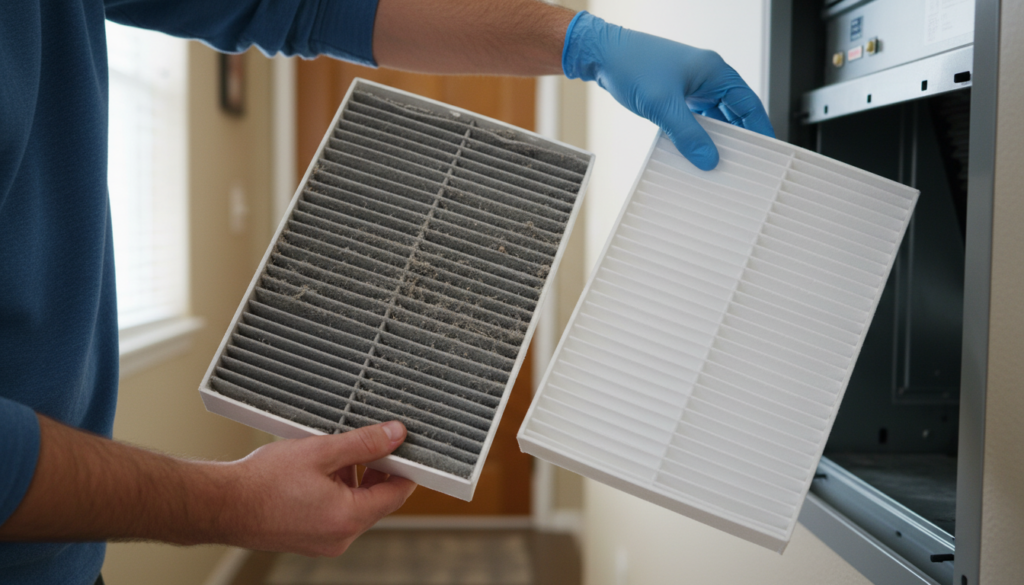
Routine maintenance cuts the likelihood of sudden failures by addressing airflow, refrigerant charge, electrical connections, and wear before they become critical. Standard tune‑ups include filter changes, coil cleaning, lubrication of moving parts, thermostat checks, and measuring refrigerant pressures and electrical loads. These preventive steps boost efficiency, extend equipment life, and lower the odds of costly failures like compressor breakdowns. A maintenance plan tuned to how you use the system and our local climate reduces seasonal surprises and keeps the system close to its designed performance.
A simple maintenance checklist and guidance on homeowner tasks help turn preventive intent into practical routines that preserve comfort and lower long‑term costs.
- Replace or clean filters every 1–3 months depending on use and indoor air quality.
- Keep the outdoor unit clear of debris, vegetation, and obstructions to ensure proper airflow.
- Visually inspect and gently clean indoor and outdoor coils to maintain heat transfer.
- Make sure thermostat batteries and settings are correct and that any zoning controls work properly.
- Schedule annual professional tune‑ups to check refrigerant charge and electrical connections.
- Document service visits and repairs to support warranty claims and speed future diagnostics.
Routine attention to these items reduces wear on major components and improves system reliability, lowering the chance of unexpected repairs.
The table below shows maintenance tasks, suggested frequency, and the direct benefit of each so you can prioritize seasonal checks.
| Maintenance Task | Frequency | Benefit/Result |
|---|---|---|
| Filter replacement or cleaning | Every 1–3 months | Improved airflow and indoor air quality |
| Outdoor unit clearance | Monthly during growing season | Prevents airflow restriction and overheating |
| Coil cleaning | Annually or as needed | Restores heat transfer efficiency |
| Thermostat calibration | Annually | Accurate temperature control and reduced cycling |
| Professional tune-up | Annually | Early detection of refrigerant and electrical issues |
| Service record keeping | Ongoing | Supports warranty and easier future diagnostics |
This maintenance matrix shows that a mix of simple homeowner tasks and an annual professional check delivers the biggest reduction in repair frequency and overall ownership costs.
After keeping your heat pump maintained, remember that when repairs are needed, having a trusted local company and clear service records speeds diagnosis and reduces expense. When you’re ready to schedule routine inspection, a diagnostic visit, or emergency repair, Fontenot’s Air Conditioning & Heating offers local response, trained specialists, transparent pricing, and financing options to help balance immediate needs with your budget.
Frequently Asked Questions
1. How often should I schedule maintenance for my heat pump?
We recommend at least one professional tune‑up per year. Annual checks help keep the system efficient and catch small issues before they turn into expensive repairs. In between visits, change or clean filters every 1–3 months and clear debris from the outdoor unit monthly during the growing season. Regular maintenance extends equipment life and saves energy.
2. What should I do if my heat pump is making strange noises?
Strange noises like grinding, rattling, or hissing mean you should act quickly. First, look for obvious obstructions or loose panels you can safely fix. If the sounds persist, call a professional those noises can indicate problems with the fan motor, compressor, or refrigerant lines and are best diagnosed with the proper tools.
3. Can I perform repairs on my heat pump myself?
Some basic maintenance changing filters, clearing debris, and checking thermostat settings is safe to do yourself. Most repairs, though, should be done by qualified HVAC technicians. Heat pumps involve electrical and refrigerant systems that require training and licensed handling. DIY repairs risk injury, further damage, or voiding warranties.
4. What are the benefits of choosing a local HVAC service provider?
Local providers like Fontenot’s know regional climate patterns and common local system issues. They usually offer faster response times for emergencies, personalized service, and community-focused financing or pricing options. Working with a local team also means you’ll get technicians who show up familiar with the area’s typical HVAC challenges.
5. How can I improve the energy efficiency of my heat pump?
Keep up with regular maintenance: change filters every 1–3 months, schedule annual tune‑ups, and keep the outdoor unit free of debris. Improve home insulation and consider a programmable thermostat to reduce runtime when you’re away. These steps help the heat pump run less and save on energy bills.
6. What should I expect during a heat pump repair visit?
The technician will start by asking about system history and symptoms, then perform a visual inspection and diagnostic tests with specialized tools. After identifying the issue, they’ll explain repair options and costs for your approval. Once the work is done, expect post‑repair testing to confirm the system is working before the tech leaves. Clear communication throughout is standard practice.
7. What are the signs that my heat pump needs immediate attention?
Immediate attention is required for complete loss of heat, loud or unusual noises like grinding or hissing, visible smoke or burning smells, frequent breaker trips, sudden ice buildup, or a sudden spike in energy bills without increased use. In these cases, contact a professional right away to prevent further damage and ensure safety.
Conclusion
Knowing how heat pump repairs work helps you make smarter choices for comfort and efficiency. Spot warning signs early, call a professional when a problem is beyond simple maintenance, and keep good service records to protect your investment. Choosing a local, reputable company like Fontenot’s Air Conditioning & Heating means experienced technicians, transparent pricing, and options to fit your budget. Schedule your inspection or repair today and keep your home comfortable year‑round.