

Swapping an old thermostat for a modern control gives you smarter temperature management, fewer wasted run-hours, and better overall comfort — and it can cut heating and cooling costs. Industry data shows smart and programmable thermostats commonly reduce energy use by roughly 10–12% on average. The benefits of upgrading thermostat include immediate energy savings, improved comfort control, and faster return on investment through utility rebates. This guide walks through what a thermostat upgrade actually does, how modern controls produce real savings, why comfort and convenience improve with smarter devices, and how a professional install plus local rebates can speed your payback.
Homeowners across Acadiana often ask how to choose between smart, programmable, and basic thermostats, whether their system needs a C-wire, and how to claim utility rebates without risking warranties. Below we outline how savings happen, useful comfort features (like geofencing and learning modes), a straight‑forward comparison of thermostat types, why pro installation matters, local rebate paths, and how upgrades help your HVAC last longer when paired with maintenance. Keep reading for clear steps you can take to upgrade your thermostat, save energy, and get a faster return on your investment.
How Can Upgrading Your Thermostat Save You Money on Energy Bills?
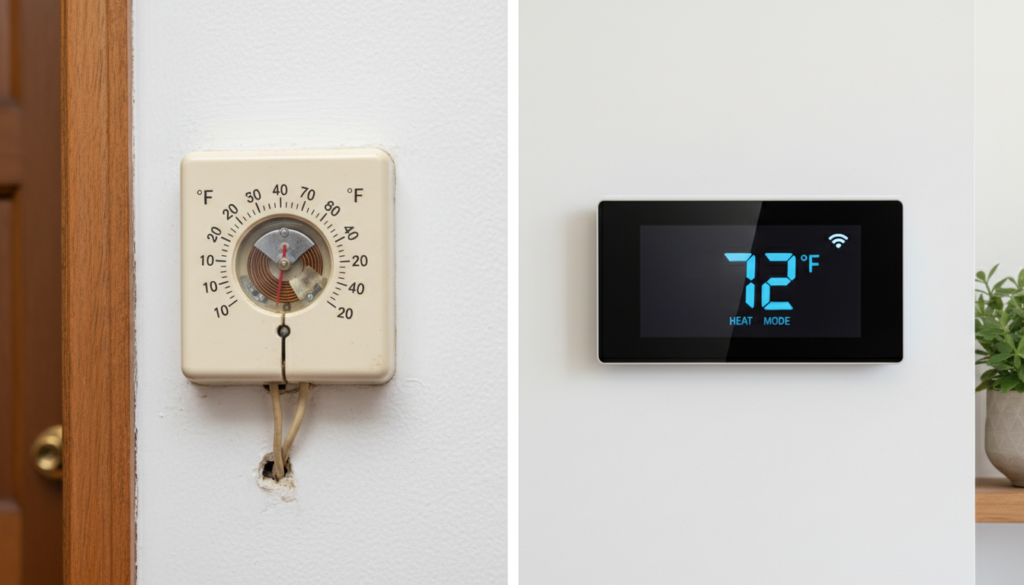
A new thermostat cuts energy use by running your system smarter — shortening unnecessary cycles, preventing temperature overshoot, and using schedules or behavior-based controls so the system works only when it needs to. Smart thermostats learn when your house is occupied and can trim run-time when no one is home. Programmable models enforce efficient schedules for sleep and work hours. That immediate drop in run-time reduces fuel or electricity use; over time the device’s data lets you fine-tune settings for even better efficiency.
Most homeowners see payback within one to three heating seasons depending on local energy costs and how the home is used. Pairing an upgrade with a system tune-up usually shortens that payback period. Knowing how the savings happen makes it easier to pick the features worth the cost and the installation steps that protect your expected returns.
Primary mechanisms that deliver energy savings include:
- Optimized scheduling: Cuts run-time during known away periods and lowers overnight setpoints to save energy.
- Learning algorithms: Adjusts schedules and setbacks automatically based on occupancy and how your home heats and cools.
- Geofencing and remote control: Keeps the system from conditioning an empty house by using location or app-based adjustments.
These features work together to lower fuel or electricity use and produce data you can use to refine settings over time. Next, we compare typical savings by device type.
What Energy Savings Can Smart and Programmable Thermostats Provide?
Smart and programmable thermostats deliver different savings depending on how they’re used. Smart units usually produce higher average savings thanks to adaptive learning, remote control, and automated optimizations. Programmable thermostats deliver reliable savings when you set sensible schedules and keep them updated. Smart thermostats continue to improve efficiency by learning your home’s thermal behavior and reducing overshoot; they often include energy reports that highlight opportunities to save. Programmable models rely on you to set the schedule—when routines are steady, they reduce waste effectively. Both cut HVAC run-time and exposure to demand charges. The main choice is automation versus manual programming, and the best pick depends on your household’s schedule and how much automation you want.
Integrating smart thermostats with modern heating systems — especially heat pumps — has required more nuanced controls and careful compatibility checks.
Smart Thermostats: Enhancing Home Heating and Cooling Control Color touchscreen thermostats have improved home comfort control for over a decade. Recently, concerns about climate and incentives like the Inflation Reduction Act (IRA) have driven more heat pump installs across the U.S. That increase exposed a tricky area: many air‑source heat pumps (ASHP) with variable-speed compressors need deeper integration than many third‑party smart thermostats provide. OEM controls on heat pumps can be hard to use, and systems with supplemental electric heat need control strategies that respect the heat pump’s long, low‑temperature cycles and grid impacts.
| Thermostat Category | Typical Installation Complexity | Typical Energy Savings |
|---|---|---|
| Smart Thermostat | Moderate (Wi‑Fi setup, compatibility check) | 10–12% typical |
| Programmable Thermostat | Low to moderate (schedule setup required) | 5–10% typical |
| Basic Digital Thermostat | Low (replacement wiring) | 1–3% typical |
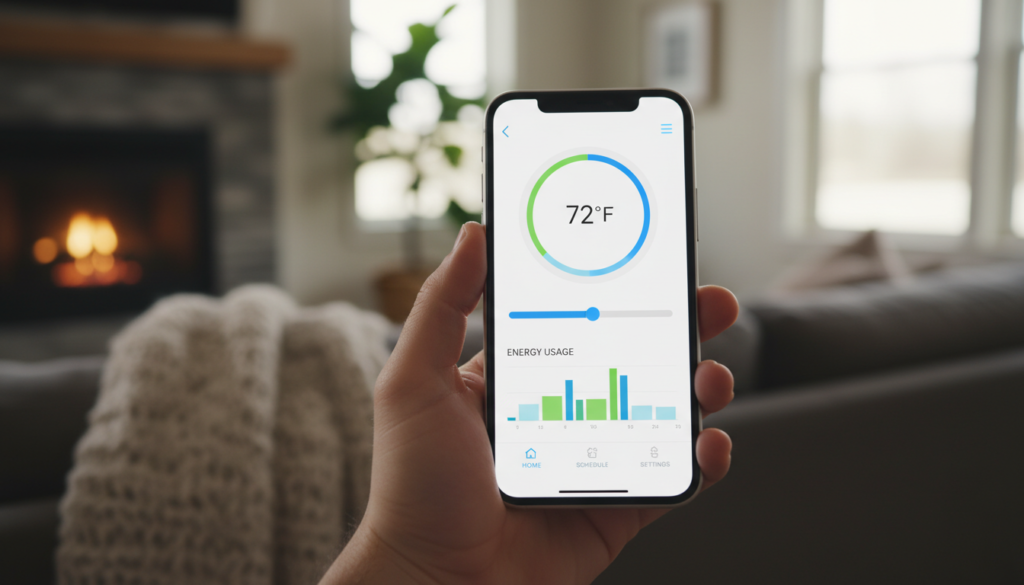
This comparison shows smart thermostats often give the best long‑term savings, which brings us to how those operational changes lower your actual utility bills.
How Does a Thermostat Upgrade Lower Your Utility Bills?
A thermostat upgrade lowers bills by cutting unnecessary run-time, avoiding heat loss from frequent cycling, and allowing setpoint setbacks during times the home is unoccupied. Some smart thermostats also participate in utility demand‑response programs to lower peak charges. Tighter control logic and better sensing mean your furnace or heat pump runs fewer minutes per hour to hold comfort. Learning thermostats predict thermal needs, reducing short cycles and temperature overshoot. And when you pair features like manual peak‑shaving schedules or utility integrations, you can shift usage away from the highest‑cost hours.
Example: dropping the thermostat 3–4°F during eight daytime hours and overnight in a typical Louisiana winter can produce noticeable savings without harming comfort. Smart thermostat reports make it easy to track and adjust these changes for better results.
What Comfort and Convenience Improvements Come with a Thermostat Upgrade?
An upgraded thermostat improves comfort by keeping temperatures steadier, supporting zoning with multiple sensors, and using schedules that match how people actually live in the house. Modern units use occupancy sensors and learning routines to focus conditioning where people are, cutting hot or cold spots and reducing the lag common with older controls. Remote access through smartphone apps and voice assistants adds convenience for last‑minute changes or pre‑heating before you arrive. Energy reports also help homeowners spot small behavior changes that increase comfort without raising bills. Together, these upgrades make daily life simpler and more comfortable.
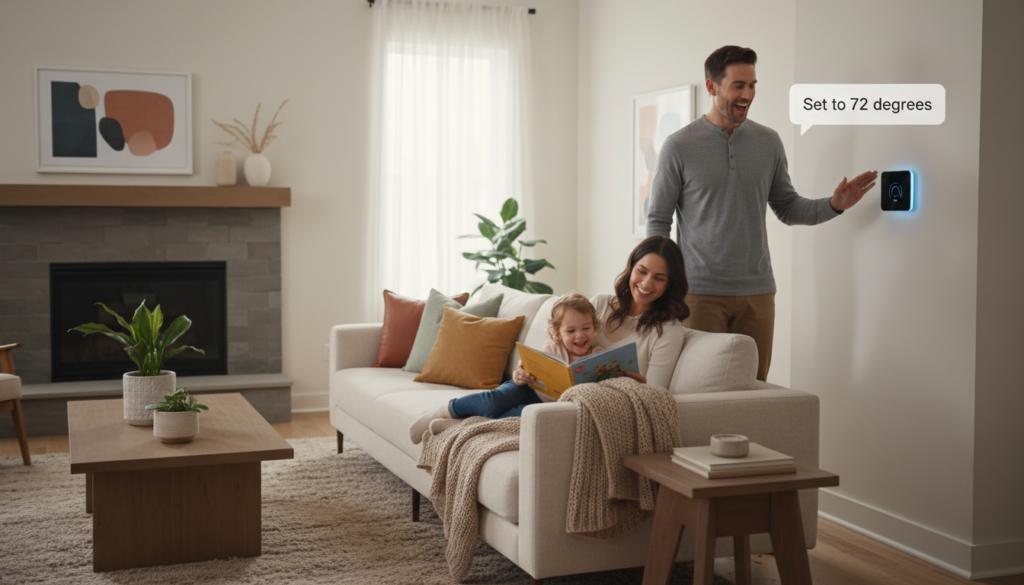
Handy convenience features many homeowners appreciate:
- Remote app control: Change the temperature from anywhere with your phone.
- Voice integration: Make hands‑free adjustments using your voice assistant.
- Multi‑sensor support: Balance temperature across rooms to reduce hot and cold spots.
These features raise usable comfort while keeping energy performance strong. Next we explain how learning systems personalize your home’s climate control.
How Do Smart Thermostats Personalize Your Home Climate Control?
Smart thermostats build adaptive schedules from when people are home, preferred temperatures, and local weather data to create a comfort profile that matches how your family lives. They watch your manual adjustments and the home’s thermal inertia to learn when to start heating or cooling so your set temperature arrives on time with minimal run-time. With occupancy sensors and geofencing, the system can prioritize occupied zones and skip empty rooms. Over weeks the algorithm fine‑tunes setpoints and runtimes to balance comfort and efficiency without constant manual tweaks.
Personalization reduces fiddling and keeps comfort consistent while protecting energy savings — a natural fit with the remote and smart features homeowners use every day.
What Remote and Smart Features Enhance Daily Convenience?
Features like smartphone apps, geofencing, energy reports, and voice control make temperature management simple and immediate. Geofencing adjusts setpoints when you leave or return so the HVAC isn’t running for an empty house. Energy reports show runtime and trends so you can make small, effective changes. Voice control and scheduling integrations let you coordinate comfort around routines — wake up, come home, or settle in for the evening — without manual adjustments. Together these features remove friction and make efficient comfort easy for busy households.
Those conveniences are part of why the right device choice matters. Below we help you decide.
Which Types of Thermostats Should You Consider for Your Upgrade?
Choosing a thermostat depends on budget, how your household uses the home, HVAC compatibility, and the conveniences you want. Broadly, devices fall into three groups: smart, programmable, and basic digital. Smart thermostats suit tech‑forward homes that want automation, remote access, and analytics. Programmable thermostats are a solid, lower‑cost choice for predictable schedules. Basic digital thermostats are a straightforward replacement that still improves control. Always check compatibility — especially whether you have a C‑wire or need an alternate power solution — to make sure the device stays powered and connected. Knowing these trade‑offs helps you pick the model that gives the best ROI and comfort for your home.
The table below compares common thermostat types by cost, features, and best uses.
| Thermostat Type | Typical Cost Range | Key Features | Best For |
|---|---|---|---|
| Smart Thermostat | Mid to High | Wi‑Fi, learning, remote access, energy reports | Tech‑forward homes, varied schedules |
| Programmable Thermostat | Low to Mid | 7‑day scheduling, automated setbacks | Predictable occupancy, budget‑minded |
| Basic Digital Thermostat | Low | Manual setback, simple display | Minimal features, straightforward replacement |
This side‑by‑side makes it easier to match a thermostat to your needs. Next we cover the specific advantages of smart models.
What Are the Key Benefits of Smart Thermostats?
Smart thermostats bring learning‑based schedule optimization, remote control and voice integration, and energy reports that help you keep improving efficiency. They reduce the need for manual programming by adapting to how and when your home is used, cutting runtime and timing conditioning more precisely. Remote access and geofencing reduce wasted conditioning, while analytics highlight opportunities to save. Smart units can also link with other home systems — shades, humidifiers, or zoning — to coordinate comfort and efficiency across the house.
These capabilities are why smart thermostats often deliver the biggest energy reductions compared with basic or programmable models.
How Do Programmable Thermostats Improve Scheduling and Efficiency?
Programmable thermostats let you set dependable schedules — weekday/weekend or full 7‑day programming — that lower setpoints during sleep or away periods and raise them when you’re home. With conservative setback ranges and consistent schedules, a programmable thermostat reliably reduces run‑time and waste. They cost less and are simpler to use than many smart models, but they do rely on you to update schedules when routines change. For households with steady patterns, a programmable thermostat is a low‑complexity, high‑value option.
Good scheduling cuts energy on homes with stable occupancy and leads naturally to why professional installation matters for compatibility and performance.
Why Is Professional Thermostat Installation Important for Optimal Performance?
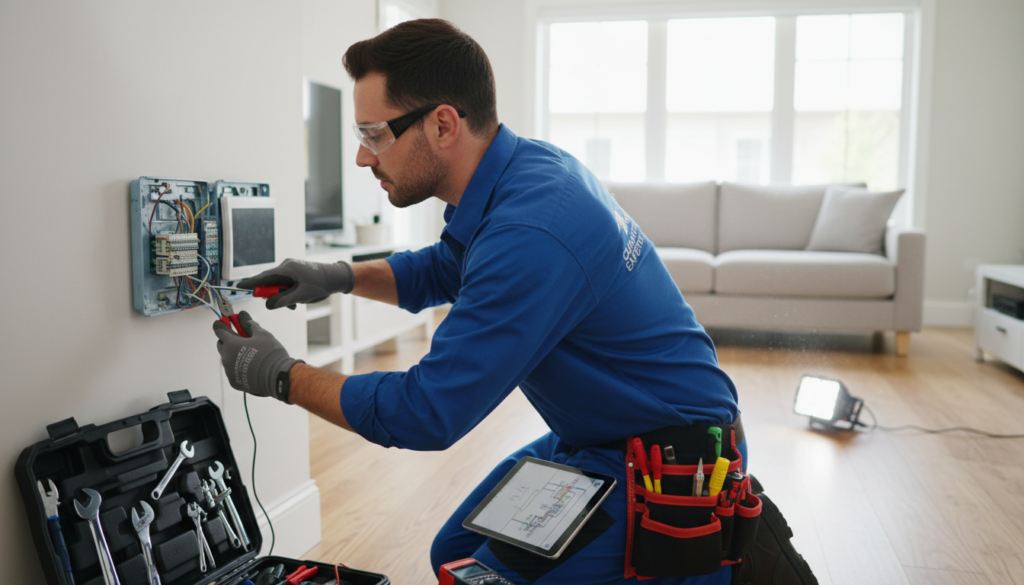
Professional installation matters because correct wiring, compatibility checks, and calibration determine whether advanced features will work and whether warranties stay valid. A bad install can interrupt connectivity or even damage equipment. Technicians identify your system type — furnace, heat pump, or hybrid — confirm power and C‑wire availability, and set system stages and fan control so the thermostat talks to your HVAC the right way. They also pair smart thermostats with Wi‑Fi, integrate them with other devices when needed, and walk homeowners through app setup and scheduling. These technical checks reduce the risk of poor performance and help secure the energy savings smarter controls promise.
Fontenot’s Air Conditioning & Heating provides factory‑trained technicians, compatibility checks, and extended service hours (7 AM–8 PM, seven days a week) for thermostat installs. Book a professional install to protect warranties and get the most from your upgrade.
How Do Fontenot’s Factory-Trained Technicians Ensure Seamless Installation?
Fontenot’s technicians follow a clear checklist: verify thermostat compatibility, inspect wiring (including C‑wire), run controlled system cycles to test response, and tune settings for local climate and equipment type. They confirm Wi‑Fi during smart installs, configure multi‑stage and heat pump settings correctly, and show you how to use the app and schedules. Same‑day or scheduled installs and extended‑hours support reduce downtime and keep your home comfortable. This approach protects your equipment, preserves warranties, and positions your system to deliver the projected energy savings.
Thorough verification and calibration also prevent common DIY mistakes — more on that next.
What Are the Risks of DIY Thermostat Installation Compared to Professional Service?
DIY installs can lead to incorrect wiring that damages control boards, missed compatibility issues like no C‑wire, and improper settings that negate energy‑saving features or void warranties. Modern thermostats often need precise configuration for stages, heat pump modes, or auxiliary heat; misconfiguring those can cause poor comfort and higher energy use. Static discharge or wiring mistakes during DIY work can mean expensive repairs. Professional installation lowers these risks by applying system knowledge, testing electrical integrity, and matching settings to how your HVAC should operate.
Given those risks, many homeowners find professional installation a smart insurance policy for comfort and savings.
What Local Rebates and Incentives Are Available for Thermostat Upgrades in Acadiana, LA?
Local rebates and incentive programs frequently include smart thermostat installs and energy‑efficient HVAC improvements, offering cash incentives or discounts for qualifying equipment and professional installation. Programs come from utilities, state energy initiatives, or seasonal incentive windows that require timely application and proof of purchase and installation. Eligibility often depends on installing approved devices and, in some cases, using a licensed installer. Knowing where to look and how to document the purchase and install increases your chance of getting the available funds.
The table below summarizes common rebate elements and what you typically need to do to claim them.
| Program Source | Typical Eligibility | Typical Action Required |
|---|---|---|
| Utility Rebates | Customer account in service area; qualifying device | Submit receipt, model number, and proof of professional install |
| State/Local Incentives | Meet program income or equipment criteria | Complete application and provide installer documentation |
| Vendor/Contractor Offers | Purchase/install through participating contractor | Provide contractor invoice and rebate form |
How Can You Maximize Savings with Utility Rebates and Energy Programs?
Start by confirming eligibility with your utility or program administrator, keep all receipts and model numbers, and schedule professional installation if the program requires it. Submit rebate paperwork promptly — including invoices that show installer credentials and serial numbers — to avoid missing deadlines or funding caps. Pairing rebates with preventive maintenance or an energy‑savings plan can boost ROI by keeping the system operating efficiently after the upgrade. If you want help finding or completing rebate applications, work with a local contractor who knows Acadiana programs.
These steps make it more likely you’ll capture available incentives — which is why acting now can pay off.
Why Are Local Incentives a Smart Reason to Upgrade Your Thermostat Now?
Local incentives lower upfront costs, shorten payback periods, and improve immediate return on investment. Limited‑time or capped programs add urgency — a rebate that covers part of the equipment or installation can shave a one‑ to three‑year payback into a faster timeline, making advanced features more attractive sooner. Local contractors can combine incentives with maintenance plans to lock in long‑term gains. Acting while incentives are available reduces your financial barrier and accelerates the combined benefits of comfort, savings, and system longevity.
Next steps: check current incentive details with your utility or contact a local contractor to help with applications and documentation.
How Does Upgrading Your Thermostat Extend the Lifespan of Your HVAC System?
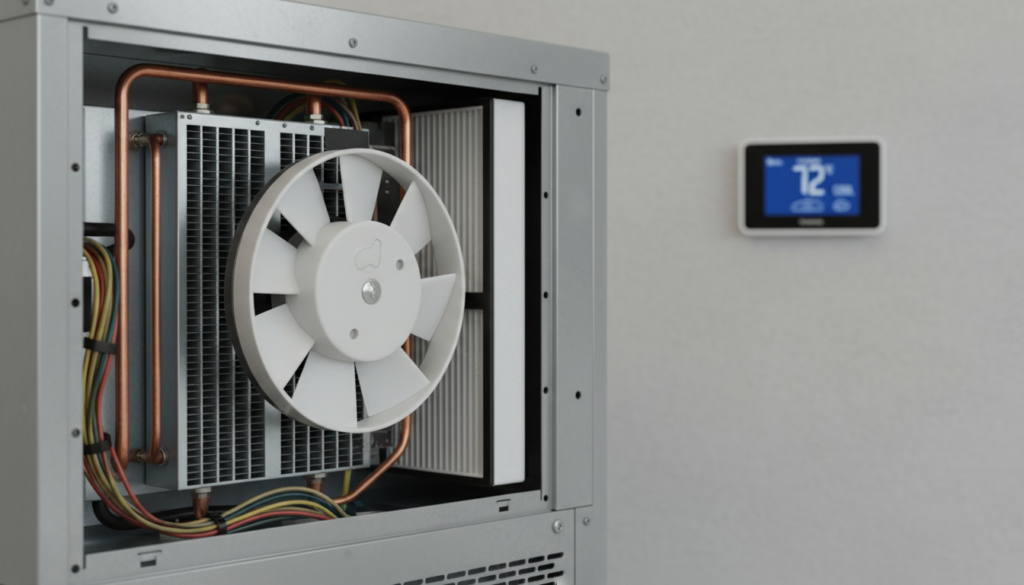
A better thermostat can extend HVAC life by reducing mechanical stress: smoother control, fewer starts and stops, and runtimes that better match thermal demand all reduce wear on motors, compressors, and heat exchangers. Fewer short cycles mean fewer start cycles that speed component wear; optimized runtimes avoid extreme loads and temperature swings that stress parts. Smart thermostats also surface early warning signs — filter alerts, unusual runtime, or frequent cycling — so you can schedule service before small problems become big ones. Pairing an upgrade with regular tune‑ups and a maintenance agreement amplifies these benefits and helps preserve efficiency gains.
Those mechanical and diagnostic advantages flow directly into how smart controls reduce wear and tear.
In What Ways Does a Smart Thermostat Reduce Wear and Tear on Heating Systems?
Smart thermostats minimize short‑cycling, smooth temperature transitions, and optimize compressor and blower runtimes based on your home’s learned response — all of which lower stress on mechanical components. By predicting when to start conditioning, smart controls avoid abrupt or repeated starts that cause motor and compressor fatigue. Energy reports and runtime alerts flag anomalies such as rapid cycling or extended operation, letting you call for service earlier. Over time this reduces breakdowns and keeps equipment running more consistently, which helps extend its life.
Seeing these advantages makes the value of combining an upgrade with scheduled maintenance clear.
How Does Preventive Maintenance Complement Your Thermostat Upgrade?
Preventive maintenance ensures the physical components — filters, coils, belts, and electrical connections — are in good shape so your upgraded controls can deliver the promised efficiency and comfort. Regular tune‑ups confirm proper refrigerant charge, airflow, and component condition, preventing faults that would otherwise erase thermostat‑driven savings. Maintenance agreements often include periodic inspections and priority service to keep systems aligned with the thermostat’s control logic. Together, an upgraded thermostat and consistent preventive maintenance create a cycle of monitoring, adjustment, and repair that sustains savings and extends equipment life.
With that in mind, the next step is scheduling an assessment and professional install to capture both immediate and long‑term benefits.
Fontenot’s Air Conditioning & Heating serves Acadiana, LA — including Lafayette, Broussard, and Youngsville — and can perform evaluations that estimate energy savings, recommend compatible thermostat models, help with rebate paperwork, and provide professional installation. To request an energy‑saving assessment, install, or rebate assistance, call Fontenot’s at (337) 789-6070; our factory‑trained technicians check compatibility, offer preventive maintenance agreements, and support homeowners during extended service hours to help secure long‑term savings and reliable comfort.
Frequently Asked Questions
1. What factors should I consider when choosing a thermostat?
Think about budget, daily routines, HVAC compatibility, and the features you want. Smart thermostats add automation and remote access; programmable models are budget‑friendlier and work well with steady schedules; basic digital units are a low‑cost improvement over older mechanical thermostats. Also confirm compatibility — especially whether you have a C‑wire — so the device will stay powered and connected. Considering these points will help you pick a thermostat that boosts comfort and saves energy.
2. How can I ensure my new thermostat is compatible with my HVAC system?
Check your HVAC specifications for power requirements (like a C‑wire) and review the thermostat’s compatibility list in its manual. If you’re not sure, have a professional technician inspect your system and recommend suitable models. Proper compatibility prevents performance problems and avoids avoidable installation headaches.
3. What are the common mistakes homeowners make during thermostat installation?
Common mistakes include incorrect wiring, skipping compatibility checks (such as not confirming a C‑wire), and misconfiguring settings for stages or heat pump operation. These errors can damage equipment, void warranties, or create inefficient operation. Hiring a professional for installation helps you avoid these pitfalls.
4. How do I maintain my thermostat for optimal performance?
Keep sensors and the display clean for accurate readings, and update smart thermostat software when updates are available. Schedule regular HVAC maintenance so filters, coils, and electrical connections are in good shape — a well‑maintained system helps your thermostat perform better and last longer.
5. Are there any specific energy-saving tips for using a smart thermostat?
Use geofencing to adjust temperatures by your location, set energy‑saving schedules that match your routine, and review energy reports to spot patterns. Lowering the thermostat a few degrees at night or while you’re away can yield extra savings without much impact on comfort.
6. What should I do if my thermostat is not functioning correctly?
First check power and wiring, and look for error messages on the display. Try a reset or check for firmware updates. If problems continue, contact a professional technician to diagnose and repair the issue to avoid further damage.
7. How can I take advantage of local rebates for thermostat upgrades?
Research programs from your utility or local government, confirm eligibility, and keep all receipts and model numbers. Many programs require professional installation and documentation, so plan accordingly and submit rebate paperwork promptly. A local contractor can help identify available rebates and handle the application process.
Conclusion
Upgrading your thermostat is one of the simplest ways to improve comfort, reduce energy use, and lower utility bills. Know your options, check compatibility, and look into local incentives to lower upfront cost. When you’re ready, contact Fontenot’s Air Conditioning & Heating to review options, get an assessment, and schedule a professional installation so your upgrade delivers long‑lasting savings and reliable comfort.