
How Long Does AC Installation Take in Lafayette, LA?
Search
Recent Posts

Tags
Follow Us on
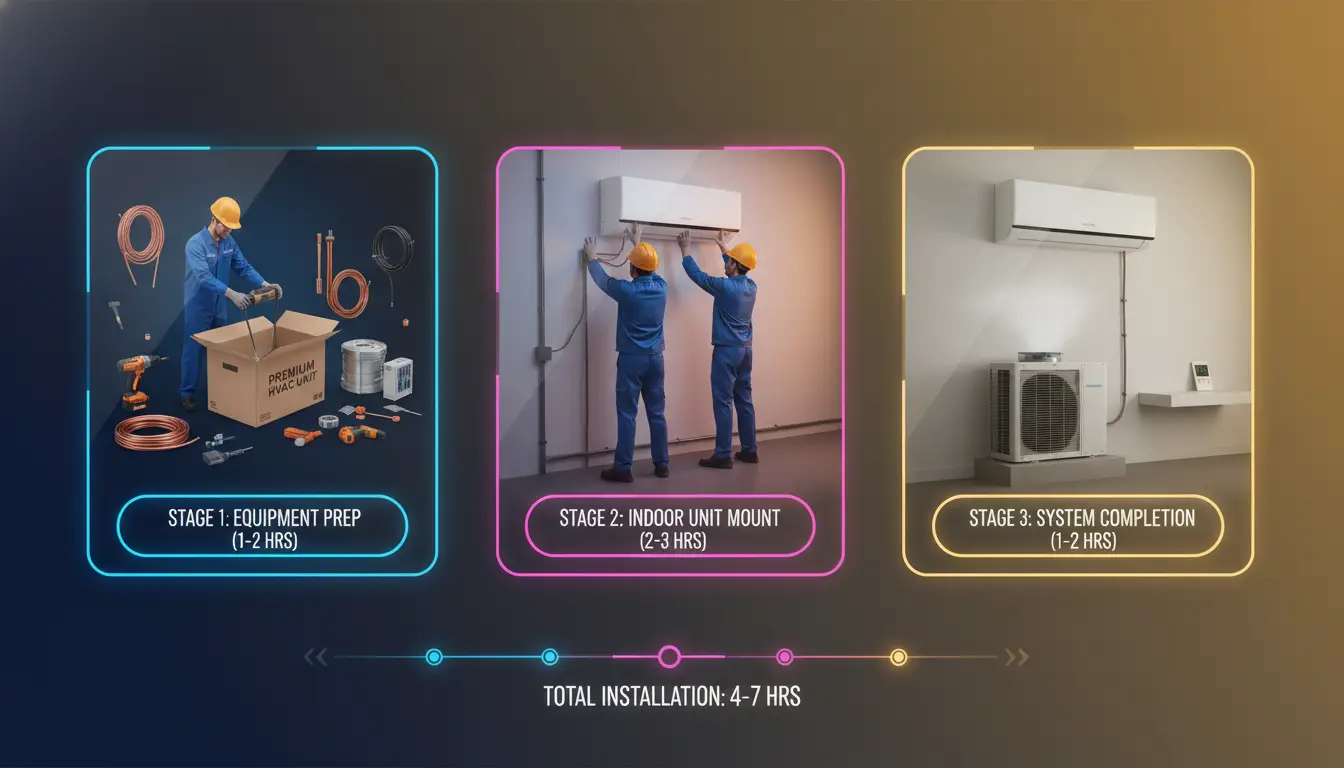
Most AC installations in Lafayette, LA, take between 4 and 8 hours for a standard replacement on an existing system. New installations, ductwork replacement, or full HVAC system upgrades can extend that timeline to two or three days. Permit requirements, equipment availability, and home size all affect how long the process takes.
Key Takeaways
- A standard central AC replacement in Lafayette typically takes one full workday, roughly 4 to 8 hours.
- Installing AC for the first time or adding new ductwork can push the timeline to 2 to 3 days.
- Louisiana’s SEER2 efficiency requirements affect which equipment your contractor can legally install, and stock availability can add days to your wait.
- Lafayette’s mechanical code requires permit inspections after ductwork and after final installation, which can add 1 to 3 business days to your overall timeline.
- Scheduling during peak summer months (June through August) often means waiting 1 to 2 weeks for an installation date.
How Long Does AC Installation Take?
Average AC Installation Time for Most Homes
For most Lafayette homeowners, replacing an existing central air conditioner takes 4 to 8 hours. A two-person crew can typically pull the old equipment, set the new condenser and air handler, connect the refrigerant lines, and complete the electrical hookup within a single workday.
That estimate assumes your ductwork is in good condition, your electrical panel doesn’t need an upgrade, and the equipment your contractor ordered is already on hand. When any of those factors change, the timeline extends.
Typical One-Day AC Installation Timeline
Here’s what a standard same-day installation looks like in Lafayette:
- 7:00 to 8:00 AM: Crew arrives, reviews the job, protects the flooring and work areas
- 8:00 to 10:00 AM: Old equipment is disconnected, refrigerant is recovered per EPA regulations, and units are removed
- 10:00 AM to 1:00 PM: New indoor air handler and outdoor condenser are positioned and secured
- 1:00 to 3:00 PM: Refrigerant lines, electrical connections, and condensate drain lines are completed
- 3:00 to 4:30 PM: System is charged with refrigerant, airflow is tested, and thermostat is programmed
- 4:30 to 5:00 PM: Final walkthrough with the homeowner, documentation is completed
From start to finish, that’s a full but manageable workday.
When AC Installation Takes Multiple Days
Certain projects extend beyond one day. If your contractor needs to replace ductwork, add a new electrical circuit, or install a zoned system, expect the job to run two to three days. Permit inspections required by the Louisiana mechanical code also add time, since inspectors typically schedule visits one to three business days after a request is submitted.
Factors That Affect AC Installation Time
The most common factors that stretch an installation timeline include: the condition of existing ductwork, the size and layout of your home, whether an electrical panel upgrade is needed, and how backed up your contractor’s schedule is during peak season. Each of these is covered in detail later in this article.
Total Timeline From AC Quote to Final Installation
Researching HVAC Contractors in Lafayette, LA
Before a single wire gets disconnected, you need to find the right contractor. Most Lafayette homeowners spend three to seven days researching local HVAC companies, reading reviews on Google and the Better Business Bureau, and verifying that contractors hold a valid Louisiana State Contractor’s License.
Getting Multiple AC Installation Quotes
Getting at least three quotes is standard practice. Each quote requires a separate scheduling call and, for accurate pricing, an in-home estimate. Budget five to ten days for this phase if you’re being thorough.
The In-Home HVAC Estimate Process
A proper HVAC estimate isn’t a number pulled from thin air. A qualified contractor performs a Manual J load calculation, which accounts for your home’s square footage, insulation levels, window placement, and local climate data specific to Acadiana. This visit typically takes 45 minutes to 90 minutes.
Reviewing Estimates and Choosing a Contractor
Once estimates arrive, give yourself two to three days to compare them. Look beyond the price. Compare equipment brands, SEER2 ratings, warranty terms, and what’s included in the installation scope.
Scheduling Your AC Installation Date
After signing a contract, installation scheduling depends on the contractor’s current workload. During moderate weather months, most Lafayette HVAC companies can schedule you within three to seven business days. During the summer peak, that wait stretches to one to three weeks.
What Happens on Installation Day
On installation day, the crew typically arrives between 7:00 and 8:00 AM. Plan to be home, or arrange for a trusted adult to be present. The process from start to finish is covered in detail in the “What Happens During an AC Installation?” section below.
Average AC Installation Time by System Type
Central Air Conditioner Installation Time
A central AC replacement takes 4 to 8 hours. A new central air installation in a home without existing ductwork takes 1 to 3 days, depending on the scope of ductwork required.
Ductless Mini-Split Installation Time
A single-zone mini-split installation takes 3 to 5 hours. Multi-zone systems with two to four indoor heads take 6 to 10 hours and may require a second day if wall penetrations and line sets are complex.
Heat Pump Installation Timeline
A heat pump replacement follows a similar timeline to a central AC replacement: 4 to 8 hours for a straight swap. If the system requires a new air handler or auxiliary heat strip, add one to two hours.
Window AC and Portable AC Installation Time
Window units take 30 minutes to one hour per unit. Portable ACs require no installation at all beyond positioning and venting. Neither requires a permit in Louisiana.
Zoned HVAC System Installation Timeline
Zoned systems, where dampers and multiple thermostats control different areas of the home, take 1 to 3 days depending on the number of zones and whether new ductwork is part of the project.
| System Type | Typical Installation Time |
| Central AC Replacement | 4 to 8 hours |
| New Central AC (no ducts) | 1 to 3 days |
| Single-Zone Mini-Split | 3 to 5 hours |
| Multi-Zone Mini-Split | 6 to 10 hours |
| Heat Pump Replacement | 4 to 8 hours |
| Zoned HVAC System | 1 to 3 days |
| Window AC Unit | 30 to 60 minutes |
How Long Does Central AC Installation Take in Lafayette, LA?
Standard Central Air Replacement Timeline
For a standard central air conditioner replacement in Lafayette, a licensed HVAC crew can typically complete the job in one day. The old equipment comes out in the morning, the new system goes in during mid-day, and by late afternoon you have cool air running through your home again.
If you need a reliable team for this kind of work, Fontenot’s AC provides professional AC installation in Lafayette and across Acadiana.
Installing Central Air in Older Lafayette Homes
Older homes in Lafayette, particularly those built before the 1980s, often present complications. Knob-and-tube or aluminum wiring may not be compatible with modern HVAC equipment. Ductwork in older homes is frequently undersized, deteriorated, or runs through unconditioned attic spaces that reduce efficiency. These issues can add half a day to a full day of additional work.
AC Installation During Peak Summer Season
Louisiana summers are unforgiving. When temperatures climb above 95°F in July and August, HVAC companies receive a surge of emergency service calls, which compresses their installation availability. During peak season, a contractor who is available for a quote this week may not be able to schedule your installation for another two to three weeks.
Busy-Season HVAC Scheduling Delays in Lafayette, LA
According to the Air Conditioning Contractors of America (ACCA), HVAC demand spikes 30 to 40 percent during summer months in hot-climate regions. Lafayette is no exception. If your system fails in late June, you may wait longer than you’d like for a scheduled installation slot.
Planning your replacement in early spring, March through May, gives you more scheduling flexibility and often better pricing.
AC Installation Availability Across Acadiana Communities
Contractors based in Lafayette also serve Broussard, Youngsville, Carencro, Scott, Breaux Bridge, and Opelousas. Travel time and crew availability across those communities can affect scheduling. A contractor headquartered in Lafayette may prioritize closer jobs during peak demand.
Louisiana SEER2 Requirements and How They Affect Your Installation
Louisiana’s Minimum SEER2 Efficiency Standards Explained
SEER2 stands for Seasonal Energy Efficiency Ratio 2, the updated efficiency measurement standard that replaced the original SEER rating in 2023. As of January 1, 2023, all newly installed residential air conditioners in the South, including Louisiana, must meet a minimum SEER2 rating of 14.3 for split systems, according to the U.S. Department of Energy.
How SEER2 Compliance Affects Equipment Selection in Lafayette
Your contractor cannot legally install a unit that falls below Louisiana’s minimum SEER2 threshold. That means older equipment sitting in a distributor’s warehouse may no longer be eligible for installation, even if it’s technically new in the box. This requirement narrows your equipment options and affects pricing.
When SEER2-Compliant Equipment Is Not in Stock
High-efficiency equipment doesn’t always sit on the shelf. During peak demand periods, distributors sometimes run short on popular SEER2-compliant models. If your preferred unit or the specific tonnage your home requires isn’t available locally, your contractor may need to order it. That process can add two to five business days to your timeline.
How Equipment Lead Times Add to Your Overall Installation Timeline
When you factor in equipment availability alongside scheduling delays, it’s possible for the gap between your signed contract and your installation date to stretch to two to three weeks during the busy season. Asking your contractor about current equipment availability at the time of your estimate helps you plan more accurately.
Louisiana Mechanical Code Inspections and How They Add to Your Timeline
Required Mechanical Rough-In Inspection After Ductwork
Louisiana’s mechanical code requires an inspection after ductwork is installed but before it’s concealed inside walls or ceilings. If your project involves new ductwork, your contractor must schedule this inspection before finishing the job. Inspectors in Lafayette Parish typically need one to three business days’ notice.
Final Inspection and Refrigerant Charge Verification
After installation is complete, a final mechanical inspection verifies that the system was installed to code, refrigerant charge is correct, and all electrical connections meet Louisiana standards. This inspection is separate from the rough-in inspection and adds additional scheduling time.
How Lafayette Permit Inspections Are Scheduled
Permits in Lafayette Parish are pulled through the Lafayette Consolidated Government’s permit office. Your contractor handles this process, but the scheduling coordination adds days to your overall project timeline. Most experienced local contractors factor this into their project estimates upfront.
What Happens if Your Installation Fails Inspection
If an inspector finds code violations, your contractor must correct the issues before scheduling a re-inspection. Common failure points include improper refrigerant line insulation, incorrect drain line slope, and electrical connections that don’t meet current code. A failed inspection can add three to five additional business days to your timeline.
Factors That Affect AC Installation Time
Home Size and Square Footage
Larger homes require larger equipment and more complex ductwork. A 1,200-square-foot home is a straightforward job. A 3,500-square-foot two-story home with multiple air handlers requires more crew time, more materials, and often more problem-solving.
Existing Ductwork Condition
This is one of the most significant variables. If your existing duct system is in good shape, the new equipment connects quickly. If ductwork is leaking, collapsed, or improperly sized, your contractor may recommend partial or complete duct replacement, which adds 4 to 8 hours or more.
Electrical System and Breaker Panel Upgrades
Modern high-efficiency air conditioners often require a dedicated 240-volt circuit with a specific breaker size. Older Lafayette homes may have undersized panels or outdated wiring that must be upgraded before installation can proceed. Electrical work of this type requires a separate licensed electrician and can delay installation by one to two days.
HVAC System Size and Capacity
A correctly sized system installs without complications. An undersized system means the contractor may need to revisit the load calculation, and an oversized system wastes money and causes humidity problems in Louisiana’s climate. Proper sizing takes time upfront but prevents bigger problems later.
Accessibility of Indoor and Outdoor Units
Air handlers installed in tight attic spaces or mechanical closets take longer to work around than those in open utility rooms. Outdoor condensers on difficult terrain or near obstacles require additional setup time.
Permit and Inspection Requirements
As described in the section above, permits and inspections add real calendar time to your project. Budget for this rather than assuming your installation will wrap up the same day permits are pulled.
Weather Conditions and Scheduling Delays
Outdoor condenser installation during heavy rain is both unsafe and code-prohibited. Thunderstorms, which are common in Lafayette from spring through fall, can delay outdoor work by hours or push a job to the following day.
Complexity of the HVAC Installation
A straight equipment swap on an existing, well-maintained system is the simplest scenario. Adding zones, upgrading ductwork, relocating equipment, or converting from a different system type all add complexity and time.
Location of the HVAC System in the Home
Attic installations in Louisiana are common, and they add physical difficulty to the job. Working in a cramped, 130°F attic in July slows every task down. Garage installations or dedicated mechanical rooms are faster and safer to work in.
AC Installation Timeline by Home Size
Small Homes and Apartments
Homes under 1,200 square feet typically require a 1.5-ton to 2-ton system. Installation time: 3 to 5 hours for a replacement, assuming ductwork is in good condition.
Medium-Sized Residential Homes
Homes between 1,200 and 2,500 square feet are the most common scenario in Lafayette. These projects typically take 5 to 8 hours for a standard replacement.
Large Multi-Story Homes
Homes above 2,500 square feet, especially two-story properties, often require two air handlers and two outdoor condensers. These installations routinely take 8 to 12 hours or span two days.
Homes With Multiple Cooling Zones
Multi-zone systems with separate thermostats and damper controls require additional programming, testing, and balancing. Budget an extra 2 to 4 hours beyond the base installation time for zoning components alone.
New AC Installation vs AC Replacement Time
Replacing an Existing Air Conditioner
Replacement is the fastest scenario. The existing infrastructure: electrical connections, refrigerant line set, ductwork, and thermostat wiring are already in place. The crew removes the old equipment and connects the new units to the same locations.
Installing AC in a Newly Built Home
New construction AC installation is planned from the blueprint stage. Ductwork is installed during framing, equipment is set after drywall, and final connections happen near project completion. This process spans weeks, not days, but each individual phase takes only a few hours.
Converting From Window Units to Central Air
This conversion requires installing an air handler, a condenser, and an entirely new duct system throughout the home. For a typical Lafayette home, this project takes 3 to 5 days. It’s the most complex residential HVAC project a homeowner can undertake.
Installing AC for the First Time
First-time installation in a home that previously had no air conditioning follows the same scope as window-to-central conversion. Ductwork design, installation, and inspection add significant time to the project.
How Long Does a Full HVAC System Installation Take?
Replacing the AC Unit Only
Outdoor condenser replacement only, keeping the existing air handler and coil: 2 to 4 hours in most cases.
Replacing the Furnace and AC Together
Replacing both the furnace and the air conditioner together is common when one component fails near the end of its lifespan. Replacing both in one visit takes 6 to 10 hours.
Installing a New Furnace, Coil, and Condenser
Replacing the furnace, evaporator coil, and outdoor condenser as a matched system takes 6 to 10 hours. This is the most common full-system replacement scenario and the one most contractors recommend for long-term efficiency.
Complete Heating and Cooling System Installation Timeline
A complete system installation, including ductwork and all components, can take 2 to 4 days. This is the same scope as a new construction installation.
Same-Day vs Multi-Day AC Installation
When Same-Day Installation Is Possible
Same-day installation works when you’re doing a straight equipment replacement, the electrical panel is compatible, the ductwork is in good condition, and equipment is already in the truck or warehouse.
Projects That Usually Take Two Days
Two-day projects typically involve ductwork repair or partial replacement, electrical panel upgrades, attic installations with difficult access, or multi-zone systems.
Emergency AC Installation Timelines in Lafayette, LA
Some Lafayette HVAC contractors offer emergency or priority service for system failures during extreme heat. Response time for true emergency situations can be as fast as the same day or the next day. However, emergency scheduling often carries additional service fees.
For urgent situations, contact Fontenot’s AC to discuss availability and priority scheduling.
What Happens During an AC Installation?
Preparing the Home Before Installation Begins
The crew will lay down drop cloths to protect the flooring, cover nearby furniture in work areas, and assess the job site before touching any equipment. A good crew communicates the plan with you before starting.
Removing the Old HVAC Equipment
The old system must be properly decommissioned. Refrigerant is recovered using EPA-certified equipment per Section 608 of the Clean Air Act. The old condenser and air handler are disconnected, removed, and either recycled or disposed of properly.
Preparing the Installation Area
Before the new equipment goes in, the crew inspects the existing pad, line sets, electrical connections, and ductwork connections. Any issues found here are addressed before proceeding.
Installing the Indoor and Outdoor Units
The air handler goes in first for most residential installations, followed by the outdoor condenser. Both units are leveled, secured, and checked for clearance from walls, structures, and vegetation.
Connecting Refrigerant Lines and Electrical Components
Copper refrigerant lines connect the indoor and outdoor units. These lines are pressure-tested for leaks before refrigerant is added. Electrical connections at the disconnect box and breaker panel are completed and inspected.
How Many Technicians Are Needed for AC Installation?
Most residential AC installations require two technicians. One technician alone can install a simple window unit, but a central air system requires at least two people for safe equipment handling, especially when moving components through tight attic spaces.
Testing Airflow and Cooling Performance
After refrigerant is charged to manufacturer specifications, the system runs through a complete performance check. The technician measures supply and return air temperatures, checks static pressure in the duct system, and verifies that every register in the home is delivering conditioned air.
Thermostat Setup and Final System Inspection
The thermostat is programmed to your schedule preferences, and the crew walks through the system operation with you. Documentation, warranty paperwork, and filter replacement instructions are typically provided at this stage.
What Can Delay an AC Installation?
Permit Approval Delays
Most permits in Lafayette are approved quickly, but high-volume periods during summer can slow the process. Your contractor should pull permits well ahead of the scheduled installation date.
Electrical or Breaker Panel Upgrades
If your home needs an electrical upgrade before the new system can be connected, that work must be completed first. Coordinating a licensed electrician alongside your HVAC contractor adds scheduling complexity.
Custom Equipment Orders and Availability
Specialty equipment, oversized units for large homes, or high-SEER2 systems in specific configurations may require a factory or distributor order. Lead times for these items range from a few days to two or three weeks.
Failed HVAC Inspections
A failed inspection requires correction of the cited issues before re-inspection. Depending on what failed and how quickly corrections can be made, this can add three to seven days to your project.
Unexpected Structural or Ductwork Problems
Once the old equipment comes out, contractors sometimes find problems that weren’t visible during the estimated visit: corroded line sets, deteriorated duct connections, or water damage around the air handler. These discoveries require immediate decisions and can extend the installation by hours or days.
How to Prepare for AC Installation Day
Clearing Space Around the Indoor and Outdoor Units
Move furniture, boxes, and storage away from the air handler location and the area where the outdoor condenser will be placed. The crew needs at least three feet of clearance on all sides to work safely.
Protecting Pets and Children During Installation
Keep pets in a separate room or arrange for them to be elsewhere during installation. Refrigerant recovery equipment and power tools create noise, and the front door or exterior access points will be open throughout the day.
What Homeowners Should Expect During the Process
Expect noise from power tools, some degree of indoor dust, and periods where your electrical power may be temporarily interrupted. The crew will notify you before any power shutdown.
Questions to Ask Your HVAC Installer Before Work Begins
Before the crew starts, ask these questions:
- Is all equipment on hand and ready to install?
- Has the permit been pulled?
- What is the plan if unexpected ductwork issues are found?
- Who do I call if I have questions after installation?
- What does the manufacturer warranty cover, and what does the labor warranty cover?
Can You Stay Home During AC Installation?
Noise Levels and Indoor Access Requirements
Yes, you can stay home. Most homeowners do. Expect moderate to high noise levels from power tools and equipment movement. The crew will need access to your attic, utility room, and the area around your electrical panel.
Safety Considerations During Installation
Refrigerant handling, electrical work, and heavy equipment movement all carry safety considerations. Stay clear of active work areas and follow any instructions from the crew regarding temporary hazards.
When Temporary Power Shutdowns May Occur
Your power will be shut off briefly during the electrical connection phase. This typically lasts 15 to 30 minutes. The crew will alert you before cutting power so you can save any open work on computers or other devices.
How Soon Will Your New AC Start Cooling?
System Startup and Refrigerant Charging
After refrigerant is added and the system is pressurized, the compressor runs through an initial startup sequence. Most systems begin producing cool air within 15 to 30 minutes of initial startup.
Thermostat Calibration and Airflow Testing
The technician calibrates the thermostat to the measured indoor temperature and adjusts airflow dampers if needed. This process takes 30 to 60 minutes after startup.
Signs Your New AC System Is Working Properly
Your new system is working correctly when: supply air registers feel notably cooler than room temperature, the system cycles on and off at regular intervals without short cycling, indoor humidity begins dropping within the first hour of operation, and there are no unusual sounds from the air handler or condenser.
AC Installation Cost vs Installation Time
How Labor Time Impacts Installation Costs
HVAC labor in Lafayette typically runs between $75 and $150 per hour per technician. A two-technician crew on an 8-hour job represents $1,200 to $2,400 in labor alone. Projects that extend to two days double that estimate. Understanding how labor time affects your total cost helps you evaluate quotes more accurately.
Factors That Increase HVAC Installation Pricing
Electrical upgrades, ductwork replacement, crane rentals for rooftop units, permit fees, and emergency scheduling premiums all add to the total cost. According to HomeAdvisor’s 2024 cost data, the national average for central AC installation ranges from $3,800 to $7,500, with Louisiana projects often falling within that range.
Financing Options for New AC Systems in Lafayette, LA
Many Lafayette HVAC contractors offer financing through third-party lenders. Terms vary, but 12-month same-as-cash and multi-year low-interest options are common. Louisiana also participates in federal energy efficiency tax credit programs under the Inflation Reduction Act, which provides up to $600 in tax credits for qualifying high-efficiency equipment as of 2025.
Frequently Asked Questions About AC Installation Time in Lafayette, LA
Can AC Installation Be Completed in One Day?
Yes, most standard AC replacements in Lafayette are completed in a single day, typically 4 to 8 hours. Projects involving new ductwork, electrical upgrades, or multi-zone systems require additional time and may extend to two or three days.
How Long Does It Take to Install Central Air in an Older Home?
Older homes in Lafayette often have outdated wiring, undersized ductwork, or no existing duct system at all. Installing central air in these homes typically takes 2 to 4 days, depending on the scope of electrical and ductwork modifications required.
How Long Does a Mini-Split Installation Take?
A single-zone ductless mini-split takes 3 to 5 hours. Multi-zone systems with two or more indoor heads take 6 to 10 hours and sometimes extend to a second day for line set routing, electrical work, and system commissioning.
Will I Be Without Air Conditioning During Installation?
For most of the installation day, yes. The old system is disconnected early in the process, and the new system doesn’t run until refrigerant is charged and testing is complete. In summer, plan for the home to warm up during the day. Running ceiling fans and keeping blinds closed helps manage indoor temperatures.
Do I Need New Ductwork With a New AC System?
Not always. If your existing ductwork is properly sized, well-sealed, and in good physical condition, it can typically be reused with a new system. Your contractor should inspect and test the duct system during the estimate visit to determine whether repairs or replacement are needed.
What SEER2 Rating Is Required for AC Installation in Louisiana?
Louisiana follows the U.S. Department of Energy’s southern region standards. As of 2023, new residential split-system air conditioners must meet a minimum SEER2 rating of 14.3. Your contractor cannot legally install equipment below this threshold.
What Time of Year Is Best for AC Installation in Lafayette, LA?
Early spring, March through May, is the best time to schedule AC installation in Lafayette. Demand is lower, scheduling is more flexible, equipment is readily available, and contractors can spend more time on your project without the pressure of peak-season emergency calls.
How Long Should a New AC System Last After Installation?
A properly installed and maintained central air conditioner typically lasts 15 to 20 years in Louisiana’s climate. According to the U.S. Department of Energy, regular maintenance including annual tune-ups and monthly filter changes can extend system life toward the upper end of that range.
Ready to Schedule Your AC Installation in Lafayette?
Now that you know how long AC installation takes and what affects your timeline, the next step is getting a proper estimate from a licensed Lafayette HVAC contractor. Don’t wait until your system fails in the middle of July.
Fontenot’s AC offers professional AC installation services across Lafayette and the surrounding Acadiana communities. Their team handles permits, equipment selection, and inspections so you don’t have to manage the process alone.
Contact Fontenot’s AC today to schedule your in-home estimate and get your installation on the calendar before the summer rush.