
HVAC Permits for AC Installation in Lafayette, LA
Search
Recent Posts

Tags
Follow Us on
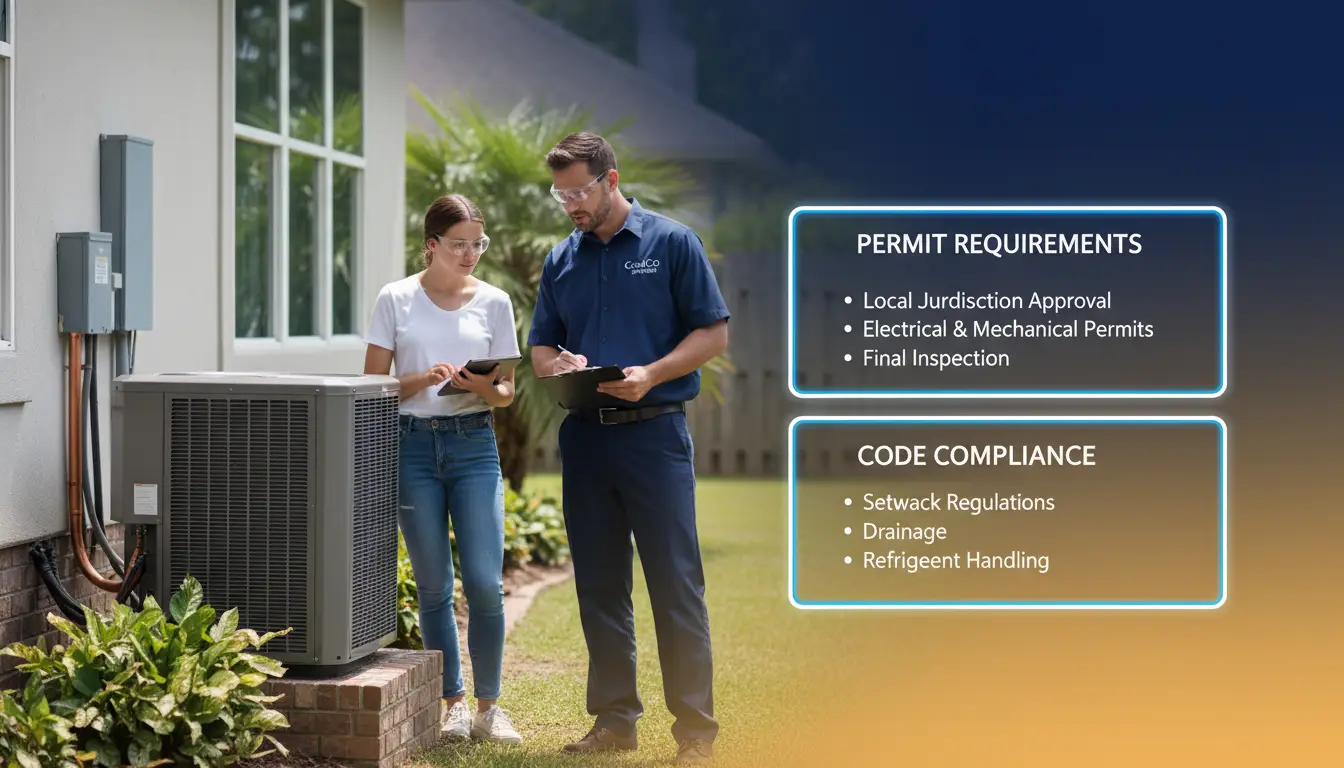
In Lafayette, LA, most AC installations require an HVAC permit issued through the Lafayette Consolidated Government Codes Department. This includes new system installs, full replacements, and major upgrades. Permits ensure your system meets Louisiana Mechanical Code standards, passes inspection, and protects your home’s safety, warranty, and resale value.
Key Takeaways
- Most AC installations in Lafayette, LA, require a mechanical permit, including full replacements and ductwork changes.
- Only licensed HVAC contractors can legally pull permits in Louisiana; homeowners have limited eligibility.
- Skipping a permit can void your manufacturer’s warranty, trigger insurance claim denials, and create problems when selling your home.
- HVAC permit fees in Lafayette are typically modest, but unpermitted work can lead to far costlier fines and corrections.
- Lafayette’s permit applications are submitted through the MyGovernmentOnline portal, and inspections are scheduled through the same system.
HVAC Permits for AC Installation in Lafayette, LA
If you are planning an AC installation in Lafayette, one of the first questions you should ask your HVAC contractor is whether they will pull the permit. Not every homeowner thinks to ask, and not every contractor volunteers the information. That gap can cause serious problems later.
Understanding what an HVAC permit is, what an inspection involves, and how the two differ gives you a real advantage when hiring a contractor and managing your home’s long-term value.
What Is an HVAC Permit?
An HVAC permit is official authorization from the local building authority to perform mechanical work on your property. In Lafayette, this means the Lafayette Consolidated Government Codes Department approves the planned work before your contractor begins installation.
The permit documents the scope of the project, ensures the contractor is licensed, and creates a legal record that the work meets code requirements.
What Is an HVAC Inspection?
An HVAC inspection is a physical review of the installed system conducted by a licensed inspector from the local authority. The inspector verifies that the installation matches the approved permit and complies with the Louisiana Mechanical Code and local regulations.
Inspections happen after the work is done, not before.
Difference Between HVAC Permits and HVAC Inspections
These two are often confused, but they serve different purposes:
| Term | Purpose | Timing |
| HVAC Permit | Authorizes the work before it starts | Before installation |
| HVAC Inspection | Verifies the work after it is complete | After installation |
Both are required for most AC installations. One without the other leaves the project legally incomplete.
Why HVAC Permits and Inspections Are Required
Local governments require permits and inspections to protect homeowners from unsafe installations, substandard equipment, and code violations. According to the U.S. Consumer Product Safety Commission, improperly installed HVAC systems are a leading cause of preventable residential fires and carbon monoxide incidents each year.
Permits also create an official record that work was completed properly, which matters when selling your home or filing an insurance claim.
Why HVAC Permits Matter in Lafayette, LA
Lafayette’s climate is demanding. High humidity, extreme summer heat, and heavy usage cycles put real stress on AC systems. That makes code-compliant installation more critical here than in most U.S. cities.
Safety and Mechanical Code Compliance
Louisiana Mechanical Code sets minimum standards for HVAC system design, installation, ventilation, and safety. Permits ensure your contractor follows those standards from start to finish.
An improperly installed system can overheat, leak refrigerant, or create electrical hazards. A permit and inspection process catches those problems before they become emergencies.
Energy Efficiency Standards and Regulations
Louisiana follows federal minimum efficiency standards set by the U.S. Department of Energy. As of 2023, new AC systems installed in the Southern region must meet updated SEER2 (Seasonal Energy Efficiency Ratio) minimums. Permitted installations are verified to meet these standards, which directly affects your monthly utility bills.
Manufacturer Warranty Protection
Most HVAC manufacturers require that installations be performed by a licensed contractor and permitted by local authorities. If your system is installed without a permit and breaks down, the manufacturer may deny your warranty claim entirely, even if the equipment itself is defective.
Homeowners Insurance Considerations
Your homeowner’s insurance policy likely requires that all mechanical systems be installed according to local code. An unpermitted AC system can give your insurer grounds to deny claims related to fire, water damage, or electrical failure caused by the HVAC system.
Protecting Property Value and Home Resale
When you sell your home, buyers’ inspectors and title companies often check permit records. An unpermitted HVAC system can delay closing, reduce your sale price, or cause buyers to walk away entirely.
Legal Consequences of Unpermitted HVAC Work
Installing an AC system without a permit in Lafayette can result in stop-work orders, fines, mandatory removal of the installed equipment, and required re-installation with proper permits. These costs often far exceed the original permit fee.
When You Need an HVAC Permit for AC Installation in Lafayette, LA
The clearest way to avoid permit problems is to know which projects require one before any work begins.
New Residential AC System Installations
Any brand-new AC system installed in a home requires a mechanical permit. This applies whether the home is newly built or an existing residence receiving its first central air system.
Central Air Conditioning System Replacements
Replacing a full central air system, including both the air handler and the outdoor condenser, requires a permit in Lafayette. Even if the ductwork is unchanged, the new equipment must be inspected and approved.
Air Handler and Condenser Replacements
Replacing either the air handler (indoor unit) or the condenser (outdoor unit) individually also typically requires a permit. These are not minor repairs; they are major mechanical changes that affect system performance and safety.
HVAC System Capacity Upgrades
If you are upgrading to a larger system, such as moving from a 3-ton to a 4-ton unit, a permit is required. Capacity changes affect ductwork sizing, electrical load, and airflow design.
Ductwork Modifications and Ventilation Changes
Any significant changes to your duct system, including extending, replacing, or rerouting ducts, require a permit. Ventilation changes that affect airflow throughout the home fall into this category as well.
Mini-Split AC Installation Permit Requirements
Ductless mini-split systems are popular in Lafayette due to their efficiency and flexibility. However, they are not exempt from permit requirements. Any mini-split installation involving electrical connections and refrigerant lines requires a mechanical permit.
Commercial HVAC Installation Permit Requirements
Commercial properties in Lafayette follow the same permit process but with additional requirements related to building occupancy, ventilation standards, and zoning. Commercial permits often require more detailed documentation and may involve additional plan review steps.
New Construction vs. Retrofit HVAC Permit Requirements
New construction HVAC installations are permitted as part of the broader building permit process. Retrofit installations (adding or replacing HVAC in an existing structure) require standalone mechanical permits.
Do You Need a Permit to Replace HVAC Equipment in Lafayette, LA?
Yes. Replacing HVAC equipment in Lafayette almost always requires a permit, including full system replacements, condenser-only swaps, and air handler replacements. The only exceptions are minor repairs and routine maintenance, which are covered in the next section.
HVAC Work That Requires a Permit vs. Work That Does Not
Not every HVAC job triggers a permit requirement. Knowing the difference saves time and prevents unnecessary confusion.
HVAC Installations That Require Permits
- New central AC system installation
- Full system replacement (air handler and condenser)
- Mini-split installation with new electrical and refrigerant lines
- Ductwork replacement or major modification
- HVAC capacity upgrades
- Commercial HVAC installation
HVAC Repairs That Usually Do Not Require Permits
- Replacing a capacitor, contactor, or fan motor
- Refrigerant recharge (by a certified technician)
- Thermostat replacement
- Replacing a circuit board or control module
- Repairing or sealing minor duct leaks
Routine HVAC Maintenance That Does Not Require a Permit
- Annual tune-ups and system cleanings
- Air filter replacement
- Coil cleaning
- Drain line flushing
- Belt and belt-drive component servicing
Tenant and Rental Property HVAC Permit Responsibilities
In Lafayette, the property owner is responsible for ensuring permits are pulled for all permitted HVAC work on rental properties. A tenant cannot legally authorize or pull a mechanical permit. If a landlord hires an unlicensed contractor to avoid permit costs, the liability falls entirely on the property owner.
When to Contact Lafayette Permit Officials for Clarification
If you are unsure whether your specific project requires a permit, contact the Lafayette Consolidated Government Codes Department directly before scheduling any work. A quick phone call or online inquiry can save you from a costly compliance problem later.
HVAC Permit Requirements in Lafayette, LA
Meeting permit requirements in Lafayette involves more than just filling out a form. Your contractor must be properly licensed, the application must reflect accurate system details, and the installation must meet both state and local code.
Licensed HVAC Contractor Requirements
Louisiana law requires HVAC contractors to hold a valid state mechanical contractor’s license to perform permitted HVAC work. In Lafayette Parish, contractors must also register with the Lafayette Consolidated Government before pulling permits.
Lafayette Consolidated Government Permit Regulations
All mechanical permits in Lafayette are processed through the Lafayette Consolidated Government (LCG) Codes Department. The department oversees permitting, plan review, and inspection scheduling for residential and commercial mechanical work.
Louisiana Mechanical Code Requirements
Louisiana adopted the International Mechanical Code (IMC) with state-specific amendments. These standards govern equipment installation, duct design, ventilation requirements, and refrigerant handling. Your licensed HVAC contractor should be fully familiar with these requirements.
Electrical and Ventilation Compliance Standards
AC installations in Lafayette must also comply with the National Electrical Code (NEC) for electrical connections and the Louisiana State Plumbing Code for condensate drainage. These cross-code requirements are part of why a proper permit review matters.
Who Can Pull an HVAC Permit in Lafayette, LA?
This is one of the most common points of confusion homeowners face when planning an AC installation.
Licensed HVAC Contractors
In Louisiana, licensed HVAC contractors are the primary parties authorized to pull mechanical permits. Their license number is tied to the permit application, and they take legal responsibility for the installation meeting code.
Homeowner Permit Eligibility in Louisiana
Louisiana law does allow homeowners to pull permits for work on their own primary residence in some cases, but HVAC mechanical permits are generally restricted to licensed contractors. Homeowners should confirm eligibility directly with the Lafayette Consolidated Government Codes Department before attempting to pull their own permit.
Landlord and Rental Property Permit Responsibilities
Landlords and property owners cannot self-perform HVAC installations on rental properties under the homeowner exemption. A licensed contractor must perform and permit the work on any non-owner-occupied property.
Why Hiring a Licensed HVAC Contractor Matters
A licensed contractor does more than install equipment. They handle the permit application, schedule inspections, and take responsibility for code compliance. Hiring an unlicensed contractor to save money transfers all legal risk directly to you.
Think of it this way: if an unlicensed contractor installs your system without a permit and something goes wrong, you are the one facing fines, insurance denials, and repair costs.
Why Some HVAC Contractors Avoid Pulling Permits
If a contractor has ever told you, “We don’t need a permit for this,” that is a warning sign worth taking seriously.
Unlicensed or Non-Compliant Contractors
Some contractors operate without a valid state license. They cannot legally pull permits because their license number is required for the application. These contractors often claim permits are unnecessary to avoid exposing their unlicensed status.
How Skipping Permits Reduces Installation Costs
Pulling permits adds time and paperwork to a job. Unlicensed or non-compliant contractors pass those savings on to the customer as a lower quote, which can look attractive on the surface.
Warning Signs of an Unreliable HVAC Contractor
- They quote a significantly lower price than other bids without explaining why
- They say you do not need a permit for work that clearly requires one
- They cannot provide a state contractor’s license number
- They ask you to pull the permit yourself
- They want to start work immediately, before any permit is approved
Risks of Hiring Contractors Who Avoid Permits
Hiring a contractor who skips permits puts your insurance coverage, your manufacturer’s warranty, your home’s resale value, and your personal safety at risk. The short-term savings are never worth those long-term consequences.
How Much Does an HVAC Permit Cost in Lafayette, LA?
Permit fees in Lafayette are generally reasonable and should not be a significant factor in your overall project budget.
Typical Residential HVAC Permit Fees
Residential mechanical permit fees in Lafayette are typically based on the value or type of work being performed. For a standard AC installation or replacement, fees generally range from $75 to $200, depending on system type and scope. Contact the Lafayette Consolidated Government Codes Department for the current fee schedule, as rates are updated periodically.
Additional Inspection or Processing Fees
Some projects may require plan review fees or re-inspection fees if a system fails its initial inspection. These are typically minor costs, but they should be factored into your project budget.
Factors That Affect HVAC Permit Costs
- System size and capacity
- Residential vs. commercial property
- New installation vs. replacement
- Whether plan review is required
- Number of inspections needed
Whether Permit Costs Are Included in HVAC Estimates
A reputable HVAC contractor should include permit costs in their installation estimate. If you receive a quote that does not mention permits at all, ask your contractor directly whether the permit is included or if it will be billed separately.
Step-by-Step HVAC Permit Process in Lafayette, LA
Understanding the permit process from start to finish helps you plan your timeline and avoid unexpected delays.
Determine Whether a Permit Is Required
Before anything else, confirm that your specific project requires a permit. Use the guidelines above or contact the Lafayette Consolidated Government Codes Department for clarification.
Gather System and Property Information
Your contractor will need the following to complete the permit application:
- Property address and parcel number
- System manufacturer and model number
- Equipment capacity (tons/BTUs)
- Contractor’s license number and contact information
- Description of the scope of work
Complete HVAC System Evaluation and Sizing
Before installation, your contractor should perform a Manual J load calculation to properly size your system for your home’s square footage, insulation, window layout, and local climate. Oversized or undersized systems fail inspections and perform poorly over time.
Submit the Mechanical Permit Application
Your licensed contractor submits the completed mechanical permit application along with supporting documentation to the Lafayette Consolidated Government Codes Department.
Apply Through the MyGovernmentOnline Portal
Lafayette processes permit applications through the MyGovernmentOnline portal, which allows contractors to submit applications, pay fees, and track permit status digitally.
Lafayette Consolidated Government Codes Department Contact Information
- Address: 705 W. University Ave., Lafayette, LA 70506
- Phone: (337) 291-8480
- Website: lafayettela.gov
Office Hours and Portal Access Details
Office hours are typically Monday through Friday, 7:30 AM to 4:30 PM. The MyGovernmentOnline portal is accessible 24 hours a day for application submission and status tracking.
Pull and Post the Permit On Site
Once the permit is approved, your contractor receives the permit document. Louisiana code requires that the permit be posted visibly on the job site during installation.
Schedule Installation and Required Inspections
After the permit is posted, your contractor can begin installation. Inspections are scheduled through the MyGovernmentOnline portal or by contacting the Codes Department directly.
Seasonal Timing and Best Time to Schedule HVAC Permits in Lafayette
Spring (March through May) is the best time to schedule HVAC permits and installations in Lafayette. Demand increases sharply in June as summer heat arrives, which can extend permit approval and inspection wait times. Planning ahead by 4 to 6 weeks before peak season gives you the most scheduling flexibility.
Receive Final Approval and Permit Closure
After passing the final inspection, your permit is officially closed. The inspector signs off on the work, and the permit record is updated in the Lafayette Consolidated Government database.
HVAC Permit Expiration and Renewal Process
HVAC permits in Louisiana typically expire if work does not begin within 180 days of issuance or if the project is inactive for an extended period.
What Happens When an HVAC Permit Expires
An expired permit means the authorization to perform work is no longer valid. You cannot legally continue or complete the installation until the permit is renewed or a new permit is issued.
How to Renew an Expired HVAC Permit in Lafayette
Contact the Lafayette Consolidated Government Codes Department to request a permit renewal. Renewal fees may apply. The department will review the status of the project and reissue authorization if the work still meets current code requirements.
HVAC Inspection Process After AC Installation
Once your system is installed, the inspection process begins. This is where the work gets formally reviewed and approved.
Rough-In HVAC Inspection
Some projects require a rough-in inspection before walls are closed or equipment is fully connected. This typically applies to new construction or projects involving ductwork that will be concealed.
Final HVAC Inspection
The final inspection verifies that all aspects of the completed installation meet code. The inspector reviews electrical connections, refrigerant lines, condensate drainage, thermostat operation, airflow, and overall equipment placement.
Electrical System Inspection
The electrical connections for your AC system, including the disconnect box, wiring, and circuit breaker sizing, are reviewed for compliance with the National Electrical Code. In some cases, a separate electrical inspection is required in addition to the mechanical inspection.
Refrigerant Line and Drainage Inspection
The inspector verifies that refrigerant lines are properly insulated, correctly sized, and leak-free. Condensate drain lines are checked for proper slope, trap installation, and drainage path.
Airflow and Thermostat Testing
The inspector may test airflow at supply and return registers and verify that the thermostat is correctly connected and operational. Proper airflow is a code requirement, not just a comfort preference.
Final HVAC Inspection Checklist
A standard final HVAC inspection in Lafayette typically covers:
- Equipment placement and clearances
- Electrical connections and disconnect compliance
- Refrigerant line integrity and insulation
- Condensate drainage installation
- Duct connections and sealing
- Thermostat wiring and operation
- Airflow balance at registers
- Overall code compliance and permit documentation
Final Code Compliance Approval
If the inspection passes, the inspector signs off, and the permit is closed. Your system is now legally approved for operation in Lafayette.
Re-Inspection Process After a Failed HVAC Inspection
Failing an inspection is not the end of the world, but it does require prompt attention.
How to Schedule a Re-Inspection in Lafayette
After correcting the noted deficiencies, your contractor contacts the Lafayette Consolidated Government Codes Department to schedule a re-inspection. This can typically be done through the MyGovernmentOnline portal.
Re-Inspection Fees and Timelines
Re-inspections in Lafayette may carry a small additional fee. Timelines depend on inspector availability, but most re-inspections are scheduled within a few business days of the correction request.
How Long Does the HVAC Permit Process Take in Lafayette, LA
Timing is one of the most common concerns homeowners raise about the permit process.
Permit Approval Timelines
Standard residential mechanical permits in Lafayette are typically approved within 2 to 5 business days when submitted through the MyGovernmentOnline portal with complete documentation. Complex commercial permits or projects requiring plan review may take longer.
Inspection Scheduling Timeframes
Inspections are generally scheduled within 1 to 3 business days of the request, depending on inspector availability and current workload.
Seasonal Demand and Its Effect on Permit Wait Times
During peak summer months (June through August), permit approvals and inspection scheduling can take longer due to high demand. Submitting your permit application in the spring significantly reduces wait times.
Delays That Can Affect HVAC Projects
- Incomplete permit applications
- Missing contractor license information
- Equipment is not yet on site when the inspection is requested
- High seasonal permit volume
- Inspector callbacks for corrections
What Happens if You Install an AC System Without a Permit in Lafayette, LA?
Skipping the permit process might seem like a shortcut, but it creates compounding problems that are difficult and expensive to resolve.
Potential Code Violations and Penalties
Lafayette Consolidated Government code enforcement officers can issue stop-work orders, require removal of unpermitted equipment, and levy fines for work performed without a permit. Fines vary based on the scope of the violation.
Failed Home Inspections During Resale
Unpermitted HVAC work is commonly discovered during home sales inspections. Buyers can use unpermitted work as leverage to renegotiate price, request repairs, or withdraw from the transaction entirely.
Insurance Claim Risks
If your HVAC system was installed without a permit and causes property damage, your homeowner’s insurance carrier may deny the claim. Unpermitted work is often classified as a code violation that voids coverage for related damage.
Warranty Coverage Issues
Most HVAC manufacturers require permitted installation as a condition of the product warranty. Installing without a permit likely invalidates your warranty from day one.
Safety Risks From Improper HVAC Installation
Improper electrical connections, inadequate refrigerant handling, and incorrect drainage design are all real risks when work is not inspected. These issues can cause fires, water damage, and equipment failure that go undetected until serious damage occurs.
Risks of Unlicensed HVAC Installation
Beyond the permit issues, unlicensed contractors often lack the training to size, install, and commission systems correctly. According to research compiled by the Air Conditioning Contractors of America (ACCA), improper installation is one of the leading causes of premature HVAC equipment failure in residential properties.
Common HVAC Code Violations During AC Installation
Knowing what inspectors look for helps you ensure your contractor does the job right.
Improper Electrical Connections
Undersized wiring, missing disconnect boxes, incorrect breaker sizing, and improperly grounded components are among the most common electrical violations found during HVAC inspections.
Incorrect Refrigerant Handling
Federal law requires that refrigerants be handled by EPA Section 608 certified technicians. Improper refrigerant charging or illegal venting during installation is a code violation with serious legal consequences.
Poor Ventilation and Airflow Design
Undersized return air systems, blocked supply registers, and improperly designed duct layouts cause airflow problems that fail inspection and reduce system efficiency.
Improper Drainage Installation
Condensate drains installed without proper slope, missing trap assemblies, or drains that discharge in prohibited locations are common violations that cause water damage over time.
Oversized or Undersized HVAC Systems
Installing a system that is too large or too small for the space is a code violation in Louisiana. It also causes short cycling, poor humidity control, and premature equipment failure.
HVAC Permit Record-Keeping and Documentation
Permit records do more than satisfy a legal requirement. They protect your investment for years after installation.
Why Keeping HVAC Permit Records Matters
A permit record proves that your HVAC system was legally installed, inspected, and approved. This documentation can mean the difference between a successful insurance claim and a denial.
Where to Store HVAC Permit Documentation
Keep a physical copy of your permit in your home’s maintenance files and a digital copy backed up to secure cloud storage. Your HVAC contractor should also provide you with a copy at project completion.
How to Access Old HVAC Permit Records in Lafayette
Permit records in Lafayette are searchable through the Lafayette Consolidated Government’s records system. Contact the Codes Department at (337) 291-8480 or visit the LCG website to request historical permit records for your property.
How Permit Records Affect Home Resale and Insurance Claims
Lenders, title companies, and insurance adjusters may request permit records during a home sale or a major claim. Having those records readily available speeds up the process and eliminates negotiation leverage for buyers.
Benefits of Hiring a Licensed HVAC Contractor in Lafayette, LA
The right contractor makes every part of this process easier.
Permit Application Assistance
A licensed contractor handles the entire permit application process, including documentation, fee payment, and portal submission. You do not have to manage the paperwork or track down permit status.
Code-Compliant AC Installation
Licensed HVAC contractors are trained in the Louisiana Mechanical Code, the NEC electrical requirements, and Lafayette-specific regulations. Their installations are designed to pass inspection the first time.
Faster Inspection Approvals
Contractors with a track record of clean inspections in Lafayette often experience faster scheduling and fewer re-inspection callbacks. Their relationship with the local Codes Department matters.
Long-Term System Performance and Reliability
A properly permitted and inspected system runs more efficiently, lasts longer, and costs less to maintain. Licensed contractors also provide reliable follow-up service and warranty support.
Professional System Sizing and Load Calculations
A licensed contractor performs Manual J calculations before recommending equipment size. This prevents the oversizing and undersizing problems that cause comfort complaints and code violations.
For professional AC installation services in Lafayette, Fontenot’s Air Conditioning and Heating handles every step of the permit process, from application to final inspection approval.
Frequently Asked Questions About HVAC Permits in Lafayette, LA
Do I Need a Permit to Replace My AC Unit in Lafayette?
Yes. Replacing an AC unit in Lafayette, whether it is the outdoor condenser, the indoor air handler, or both, requires a mechanical permit. Your licensed HVAC contractor handles the permit application and inspection scheduling as part of the installation process.
Can a Homeowner Pull an HVAC Permit in Louisiana?
Louisiana allows homeowners to pull permits for certain types of work on their primary residence. However, mechanical permits for HVAC systems are generally restricted to licensed HVAC contractors. Confirm your eligibility with the Lafayette Consolidated Government Codes Department before attempting to self-permit.
How Much Does an HVAC Permit Cost in Lafayette, LA?
Residential HVAC permit fees in Lafayette typically range from $75 to $200, depending on the scope of work. These fees should be included in your contractor’s project estimate. Contact the Lafayette Consolidated Government Codes Department for the current fee schedule.
How Long Does It Take to Get an HVAC Permit Approved?
Standard residential mechanical permits in Lafayette are typically approved within 2 to 5 business days when the application is complete. Seasonal demand in the summer months may extend this timeline. Submitting in the spring reduces wait times significantly.
Are Mini-Split Systems Required to Have a Permit in Lafayette?
Yes. Ductless mini-split installations that involve new electrical connections and refrigerant line work require a mechanical permit in Lafayette. Contact the Codes Department if your project scope is limited to confirm requirements.
What Happens if My HVAC Installation Fails Inspection?
If your installation fails inspection, the inspector provides a written list of deficiencies. Your contractor corrects the issues and schedules a re-inspection through the Lafayette Consolidated Government. Re-inspection fees may apply, and the timeline depends on inspector availability.
What Is the Re-Inspection Process After a Failed HVAC Inspection?
After correcting the deficiencies noted by the inspector, your contractor submits a re-inspection request through the MyGovernmentOnline portal or contacts the Codes Department directly. Re-inspections are typically scheduled within 1 to 3 business days.
Can HVAC Permit Requirements Affect Home Resale in Lafayette?
Yes. Unpermitted HVAC work is commonly flagged during buyer inspections and can delay or derail a home sale. Buyers may request price reductions, repairs, or retroactive permits as a condition of closing.
Can You Sell a Home With Unpermitted HVAC Work in Louisiana?
You can, but it creates risk. You are generally required to disclose known unpermitted work in Louisiana real estate transactions. Buyers can use it to negotiate, and lenders may have concerns about unpermitted systems when issuing mortgage approval.
How Long Are HVAC Permits Valid in Lafayette?
HVAC permits in Lafayette are generally valid for 180 days from issuance. If work does not begin within that period or the project sits inactive for an extended time, the permit may expire and require renewal.
Who Is Responsible for HVAC Permits in a Rental Property?
The property owner is responsible for ensuring permits are pulled for all HVAC work on rental properties in Lafayette. Tenants cannot authorize or pull permits on behalf of a landlord. A licensed contractor must perform and permit all permitted HVAC work.
Work With a Licensed HVAC Contractor for AC Installation in Lafayette, LA
Getting your HVAC permit right the first time starts with hiring the right contractor.
Professional HVAC Permit Handling
At Fontenot’s Air Conditioning and Heating, the team manages the complete permit process for every AC installation in Lafayette. That includes application submission, fee payment, permit posting, and inspection scheduling, so you do not have to track down paperwork or navigate the Codes Department on your own.
Residential and Commercial AC Installation Services
Whether you are installing a new central air system in your home, replacing aging equipment, or upgrading a commercial property’s HVAC infrastructure, Fontenot’s provides fully permitted, code-compliant installations across Lafayette Parish.
HVAC Replacement and System Upgrade Solutions
From single-room mini-split installations to full-system replacements with updated ductwork, the team at Fontenot’s handles the technical details and permit requirements, so your project meets the Louisiana Mechanical Code from start to finish.
Schedule an HVAC Consultation in Lafayette, LA
Do not wait until your system fails in the middle of August to start planning. Call Fontenot’s Air Conditioning and Heating today to schedule a consultation and get an honest estimate that includes permit costs, inspection scheduling, and long-term system performance. You can also visit fontenotsac.com to learn more about available services and request an appointment online.
A properly permitted AC installation is not just a legal requirement in Lafayette. It is the best investment you can make in your home’s comfort, safety, and long-term value.