

Selecting the right Ventilation, Heating and Air Conditioning Contractor/(HVAC) contractor is perhaps one of the most critical decisions a homeowner can make regarding comfort, financial health, and safety. This is not a choice you want to rush. HVAC equipment is often one of the largest financial investments you make in your home, frequently ranking as the third largest expense after the home itself and a car. Because a quality system and its proper installation directly impact long-term energy savings, reliable comfort, and system longevity, securing a highly qualified professional is essential.
Poor installation or negligent maintenance can drastically shorten your system’s lifespan, lead to frequent, frustrating breakdowns, and send your energy bills soaring,especially critical in Acadiana’s demanding climate where your AC runs 8-9 months per year. Furthermore, HVAC work involves specialized risks, including the handling of gas, electricity, refrigerants, and combustible fuels, all of which necessitate strict safety procedures carried out by rigorously trained professionals. In Louisiana’s humid environment, improper installation can also lead to moisture problems, mold growth, and poor indoor air quality.
This guide provides a structured, phase-by-phase approach, equipping you with the knowledge needed to vet potential contractors and secure the best possible outcome for your home.
Phase 1: Preparation – Know Your System and Needs (Homeowner Homework)
Before you even start calling for quotes, you need to do a little homework. The more detailed information you can provide, the more accurate and tailored the contractor’s proposal will be.
Understanding Your Existing Setup
Start by gathering crucial data about your current heating and cooling system. Collect the model and brand of your existing system, its precise age, and any documented maintenance history you have available. This provides the contractor with a solid starting point.
Next, identify the specific pain points within your home. Are there hot or cold spots that never seem to regulate? Are you struggling with humidity problems? Is the system making strange noises, or have you noticed a sudden, unexplained spike in your energy bills? Making note of these specific issues will help a potential contractor diagnose whether you need a simple repair, a targeted upgrade, or a full system replacement.
Financial and Compliance Planning
A critical step often overlooked by homeowners is preparation for compliance and financing. You should research the license and insurance requirements for HVAC contractors mandated in your specific state or local area. Knowing these requirements upfront helps you immediately filter out noncompliant companies.
Additionally, understanding your budget is paramount. Research available rebates, special offers, and financing options for energy-efficient equipment. Many programs exist for homeowners installing high-efficiency units. For example, systems like those qualified under ENERGY STAR may qualify for federal tax credits, such as provisions under the Inflation Reduction Act, which can offer significant savings,up to $2,000 for heat pumps Louisiana residents should also explore:
– Entergy Louisiana’s residential rebate programs for high-efficiency equipment
– SLEMCO and other local utility incentive programs available in Acadiana
– Minimum SEER ratings of 15+ for optimal performance in our climate (consider 16-18 SEER for maximum efficiency)
– HSPF ratings of 9.0+ for heat pump heating efficiency during winter months
Phase 2: Vetting Core Credentials (The Non-Negotiables)
Once your initial research is complete, you must verify the foundational credentials of any potential HVAC company. These three factors,licensing, insurance, and certification,are absolute requirements.
1. Licensing and Insurance (Verify Everything)
Always ensure that the company you consider is fully licensed, bonded, and insured. Do not hesitate to ask to see the license number. State licensing is vital because it demonstrates the company’s compliance with established safety and technical standards.
Contractor-level insurance is equally critical. This includes both General Liability and Workers’ Compensation policies. This insurance shields you, the homeowner, from financial liability in the event of accidents, damage to your property, or injury to a technician while they are working on your site. Without proper insurance, any incident could become your financial burden. Furthermore, in many states, a valid license is required for the contractor to legally pull permits necessary for major installation work.
At Fontenot’s Air Conditioning and Heating, our team maintains all required Louisiana licenses and certifications
2. Industry Certifications (Proof of Expertise)
Licensing confirms basic competence, but professional certifications demonstrate a higher level of expertise and dedication to the trade. Look for technicians certified by reputable organizations such as NATE (North American Technician Excellence).
NATE certification is a strong sign of quality, as it requires technicians to pass rigorous, specialized exams and commit to continuing education every two years to maintain their status. Additionally, any technician handling refrigerants must meet EPA Section 608 requirements, which governs the safe handling of chemicals crucial to air conditioning systems. The best contractors prioritize ongoing education and training to keep their staff current on rapidly evolving technologies, such as smart thermostats, modulating systems, and inverter technology, ensuring they can install modern, efficient equipment correctly.
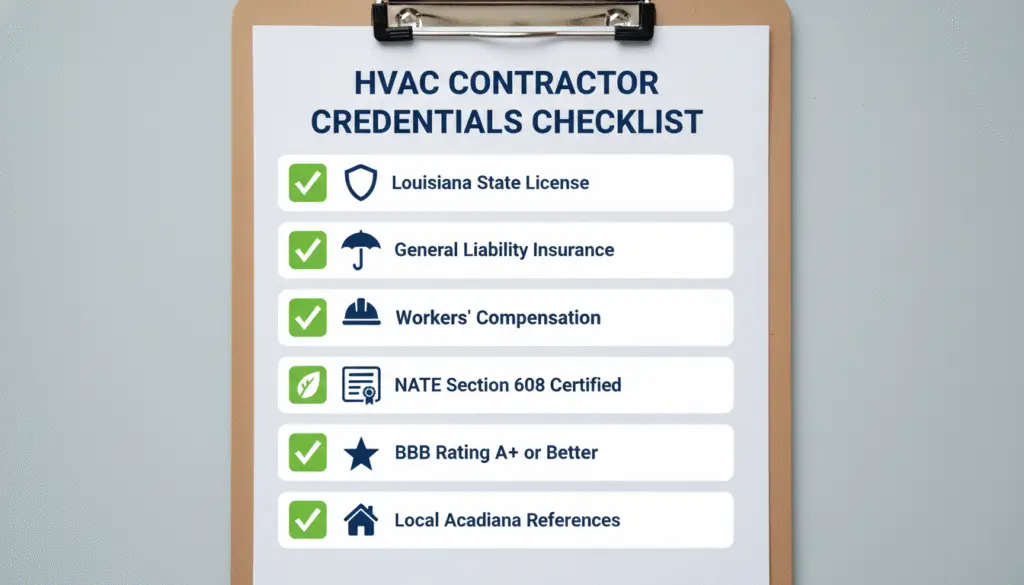
Quick Verification Checklist: Credentials to Confirm
Before scheduling an in-home evaluation, verify these credentials by phone or on the contractor’s website:
✓ Louisiana State Contractor License Number (verify at www.lslbc.louisiana.gov)
✓ Current General Liability Insurance (ask for certificate)
✓ Workers’ Compensation Coverage (protects you from liability)
✓ EPA Section 608 Certification (for all technicians handling refrigerants)
✓ NATE Certification (preferred, shows advanced expertise)
✓ Better Business Bureau Rating (check for complaint history)
✓ Local references in your specific parish
Pro Tip: In Louisiana, only licensed contractors can legally pull permits for HVAC installations. Any contractor unwilling to obtain proper permits should be immediately disqualified.
Phase 3: Assessing Reputation and Experience
A license guarantees legal operation, but reputation guarantees reliable service. You want a company with a proven track record of successful installations and satisfied customers in your specific geographic area.
3. Reputation and Reviews
In the digital age, checking online reviews is indispensable. Review platforms like Google, Yelp, and the Better Business Bureau (BBB) are excellent places to start. When reviewing feedback, look for consistent patterns of authentic, positive feedback that speak to the quality of the installation and the professionalism of the team. However, be cautious of sites where contractors can pay to adjust their representation, such as the BBB accreditation program or Yelp’s recommended reviews. Always seek organic, detailed reviews.
4. Ask for References and Referrals
One of the most reliable methods is seeking recommendations from people you trust. Ask friends, neighbors, or co-workers for referrals. Once you have narrowed down your list, request specific customer references from the contractor themselves. Aim for local references involving work similar to yours (e.g., a furnace replacement or a new heat pump installation), and make sure you follow through by calling those customers to discuss their experience.
5. Experience and Longevity
Look for a company with proven experience in repairs, maintenance, and installations. Years of reliable operation in the community are a strong testament to customer satisfaction and financial stability. A company that has been around for decades is more likely to be there to honor your long-term warranty than a fly-by-night operation. Always check if the company has experience with the specific systems you currently own or are considering, whether it is a boiler, central air system, mini-split, or hybrid heat pump.
Phase 4: Evaluating the Technical Proposal (Quality of Work)
The core difference between a great contractor and a mediocre one lies in their approach to the technical requirements of the job, particularly system sizing and installation integrity. This section dictates the long-term performance of your investment.
6. Expect a Comprehensive Home Evaluation (Proper Sizing)
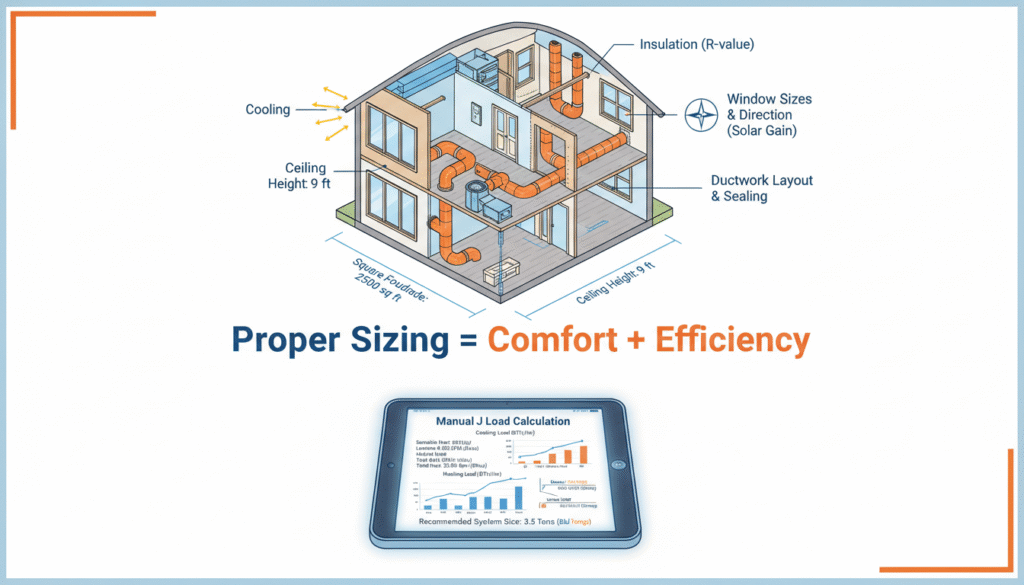
This point cannot be overstated: proper sizing is the single most important factor for comfort and efficiency.
A truly reputable HVAC contractor must spend significant time inspecting your current system and your home’s envelope to assess your needs correctly. They absolutely must perform a load calculation, often referred to as Manual J, to accurately size the system. This detailed calculation considers factors far beyond the home’s square footage, including:
- The size and orientation of your house.
- The number, type, and direction of windows.
- The level and R-value of insulation in the walls, attic, and floor.
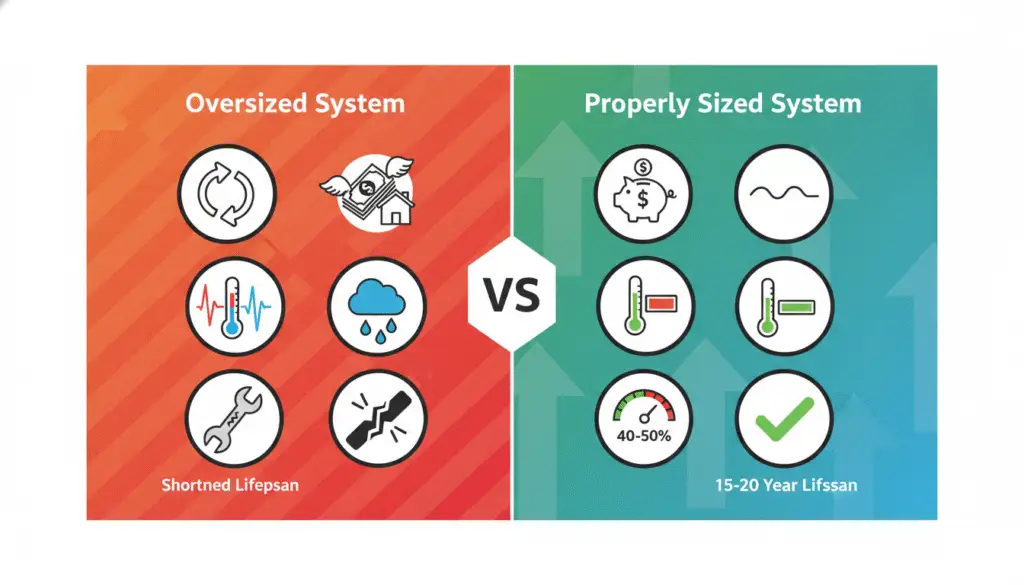
Louisiana-Specific Consideration: In Acadiana’s humid climate, proper dehumidification is as important as temperature control. Your contractor should discuss humidity management strategies, including properly sized equipment (oversized units won’t run long enough to remove humidity), consideration of supplemental dehumidification systems, and ensuring adequate airflow. A quality contractor will measure and discuss target indoor humidity levels (ideally 40-50%) and how the proposed system will achieve this in our challenging climate.
Crucial Insight: Bigger is not better in HVAC. This is a common and destructive misconception. Approximately 80% of newly installed systems are unfortunately oversized. An oversized system cycles on and off too frequently (short cycling), leading to high energy bills, poor humidity control, reduced comfort (hot and cold spots), and a drastically shortened system life. If a contractor quotes a system replacement without visiting your home, taking measurements, or inspecting the ductwork, they are skipping the critical sizing calculation, which is a major red flag.
7. Quality Equipment and Brands
While dependable contractors use high-quality equipment and parts that meet or exceed industry standards, remember that the installation matters more than the brand. A top-of-the-line system installed poorly will perform worse than a mid-range system installed perfectly. Choose a contractor who installs the brand they know well, are factory certified for, and are prepared to stand behind. They should be knowledgeable about high-efficiency systems, such as 96%+ efficient furnaces or advanced inverter AC and Heat Pumps, which reduce long-term costs and help qualify you for available financial incentives.
8. Installation Practices and Safety
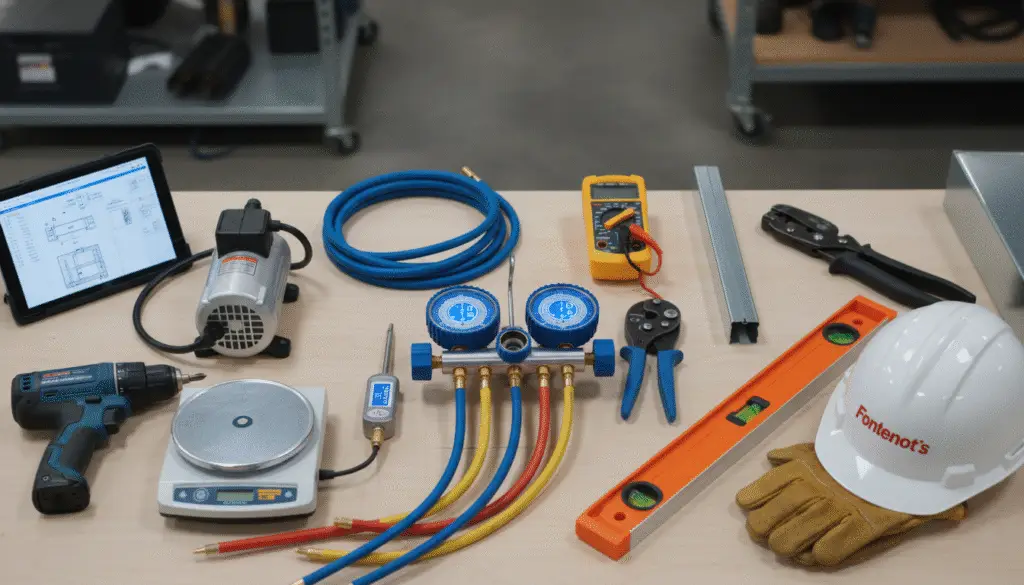
Your contractor must adhere to strict safety procedures when handling combustible fuels, electricity, and refrigerants. Furthermore, quality installers use proper, specialized tools. These include digital gauges, vacuum pumps, and micron gauges. Using these specialized tools is essential to ensure an accurate installation, correct line testing, and a precise refrigerant charge, all of which prevent early system failure and maximize the unit’s advertised efficiency. Ensure the company uses full-time, W2’d employees rather than relying heavily on subcontractors. Using full-time staff ensures consistent training, better insurance coverage, and a higher commitment to the company’s quality standards.
9. Commissioning and Permits
Before any work begins, the contractor must pull the appropriate local or state permit. This permit serves as a crucial layer of protection for the customer. It mandates a subsequent inspection by a local authority to ensure the installation meets all municipal codes and manufacturer specifications.
After installation is complete, commissioning of the new equipment is necessary. This step involves thorough testing of the system in operation and recording performance data, such as voltages, pressures, and temperature readings. This recorded data establishes a performance baseline for your system and confirms that it is running at optimal capacity from day one.
Phase 5: Financial Transparency and Protection
When a major investment is involved, financial clarity and contractual security are non-negotiable.
10. Transparent Pricing and Multiple Estimates
You should always seek quotes from at least three different contractors to provide a basis for comparison of prices, services offered, and warranties. Honest companies provide clear, upfront, itemized written estimates that eliminate hidden fees. The estimate must detail all costs, list the specific materials and model numbers being installed, outline the expected job schedule, and include full warranty information. Do not simply choose the lowest price; instead, compare the scope of work, efficiency calculations, and warranty details to find the best overall value.
11. Warranties and Guarantees
Comprehensive warranty coverage is a reflection of the contractor’s confidence in their own workmanship. Ask for robust warranties that cover both parts (the manufacturer warranty) and labor (the installation warranty). The installation warranty is the contractor’s guarantee that they did the job correctly. Be meticulous in clarifying exactly what the warranty covers, including specific components, labor costs, and refrigerant.
12. Written Contract
Before any substantive work begins on your property, you must sign a comprehensive written proposal or contract. This document must specify the precise project costs, the exact model numbers of the equipment to be installed, the job schedule, and all full warranty information. Never proceed with a handshake deal for major HVAC work.
Phase 6: Service and Long-Term Partnership
Choosing an HVAC company is not a transactional, one-time decision; it is about selecting a long-term partner for your home comfort.
13. Customer Service and Communication
Select a company that is responsive, courteous, and clear in communication right from the start. They should explain your options,including technical details and cost implications,in language you can easily understand and keep you informed throughout the process. The way they handle your initial phone calls and consultation is often an excellent indicator of how future interactions will proceed.
14. Availability and Response Time
HVAC emergencies rarely happen at a convenient time. A reliable company should offer prompt service, flexible scheduling, and, ideally, 24/7 emergency availability. If your heat pump fails in the middle of a blizzard or your AC breaks down during a heatwave, you need confidence that your contractor can respond quickly.
15. Maintenance Plans
Preventive maintenance is absolutely crucial for prolonging the life of your system and ensuring peak performance. Look for companies that offer affordable and reliable service agreements or maintenance programs, sometimes branded as “Priority Comfort Clubs.” These programs typically include annual tune-ups, early detection of potential issues, and often provide members with priority scheduling or discounts on necessary repairs. Investing in maintenance pays dividends in efficiency and longevity.
16. Energy Efficiency Expertise
Finally, choose a contractor who acts as an advisor, recommending high-efficiency equipment, such as ENERGY STAR qualified products, and offering solutions like smart thermostat options. These systems work together to optimize energy use and reduce your overall carbon footprint, saving you money while keeping your home comfortable.
Red Flags and Pitfalls to Avoid

As you compare contractors, several warning signs should cause you to immediately pause the vetting process. Identifying and avoiding these red flags will prevent expensive mistakes down the line.
- Lowball Bids: Exercise extreme caution regarding bids that are significantly lower than the others you receive. While saving money is attractive, extremely low bids may indicate the contractor is using subpar materials, lacks sufficient insurance, has limited experience, or is cutting corners,for example, skipping the necessary permits or proper commissioning steps. Going with the cheapest option often costs you significantly more in the long run due to premature system failure or reinstallation needs.
- Lack of Transparency: Avoid any contractor who is hesitant or refuses to share their licenses, certifications, references, or provide detailed, itemized written proposals. If a company avoids disclosing these documents, they likely have something to hide.
- Asking for Full Payment Upfront: A reputable company typically does not ask for the complete full payment for a major installation before the work is done, though a reasonable deposit may be standard practice to cover initial equipment costs.
- Subcontracting or Piece-Rate Pay: Be wary of companies that subcontract their installations or pay installers “piece-rate” (a flat rate per job). This pay structure incentivizes installers to rush the work to maximize their income, often resulting in sacrificed quality. Moreover, reliance on subcontractors can expose the homeowner to potential liability if the subcontractor is not properly covered by the main company’s insurance.
- Ignoring Proper Sizing/Home Evaluation: As mentioned earlier, this is a fatal flaw. If a contractor provides a quote without inspecting your home, taking measurements, or performing a Manual J load calculation, they are dangerously guessing the necessary system size. This is a massive red flag that should disqualify them immediately.
Conclusion: Making an Informed Decision
Choosing an HVAC contractor requires prioritizing trust, expertise, and reliability over just the initial price tag. By following this multi-phase vetting process, you demonstrate experience and expertise in selecting a service provider, aligning with the principles of E-E-A-T (Experience, Expertise, Authoritativeness, and Trustworthiness).
Do your thorough research, compare the comprehensive proposals objectively, and trust your gut instincts. When you find a partner that meets these rigorous standards, you secure peace of mind and ensure the efficiency and long-term comfort of your home for many years to come.
Choosing an HVAC contractor is much like commissioning a customized suit. You might buy the most expensive fabric in the world,that is, the most highly rated HVAC unit brand,but if the tailor, the contractor, fails to take proper measurements (the load calculation), neglects to use specialized tools (digital gauges and vacuum pumps), or overlooks the meticulous stitching (proper installation and commissioning), the suit will be ill-fitting, uncomfortable, wear out quickly, and ultimately fail to deliver the expected value. The skill, precision, and dedication of the tailor are paramount to the final result.
For Acadiana homeowners seeking a trusted HVAC partner, Fontenot’s Air Conditioning and Heating brings [18 years] of local experience