
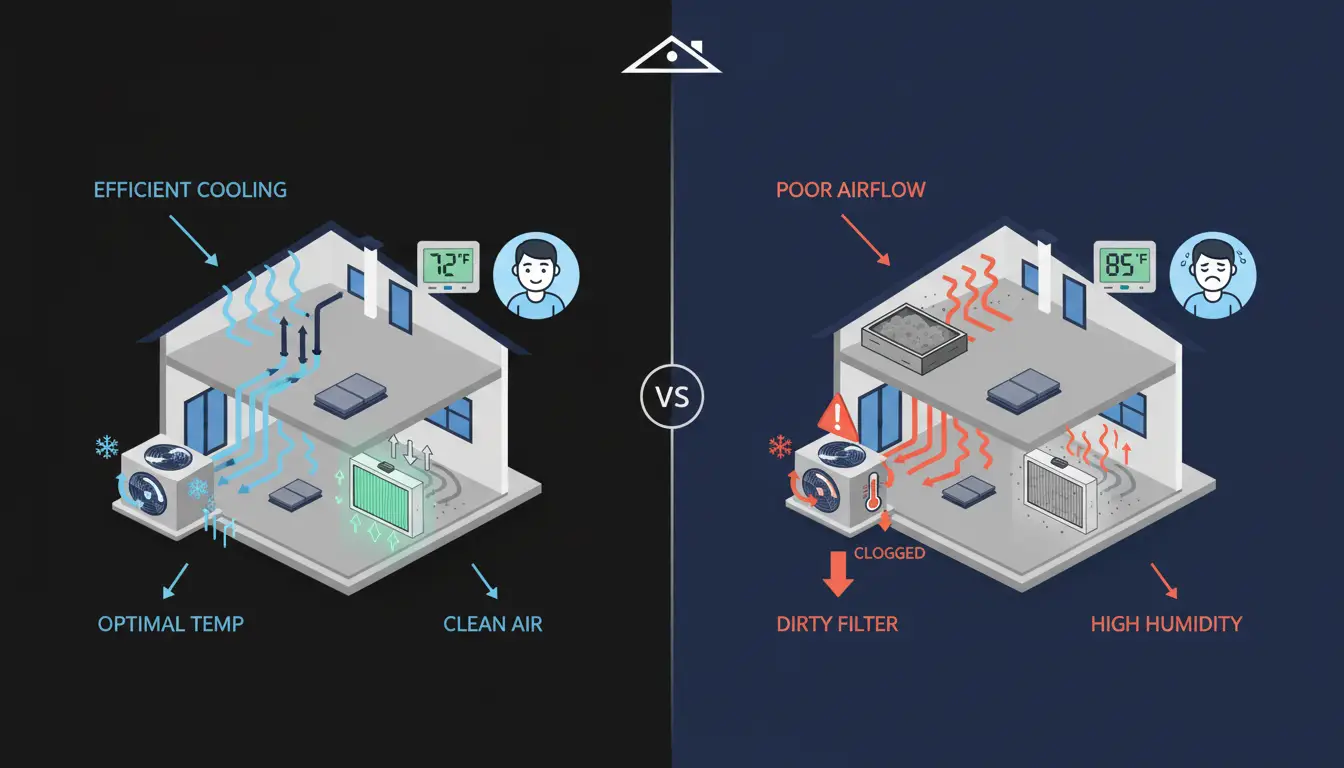
There’s nothing worse than coming home on a hot Lafayette summer day, turning on your air conditioner, and feeling warm air blow out instead of that refreshing cool breeze you were expecting. If your AC is blowing warm air, you’re not alone, this is one of the most common air conditioning problems homeowners face.
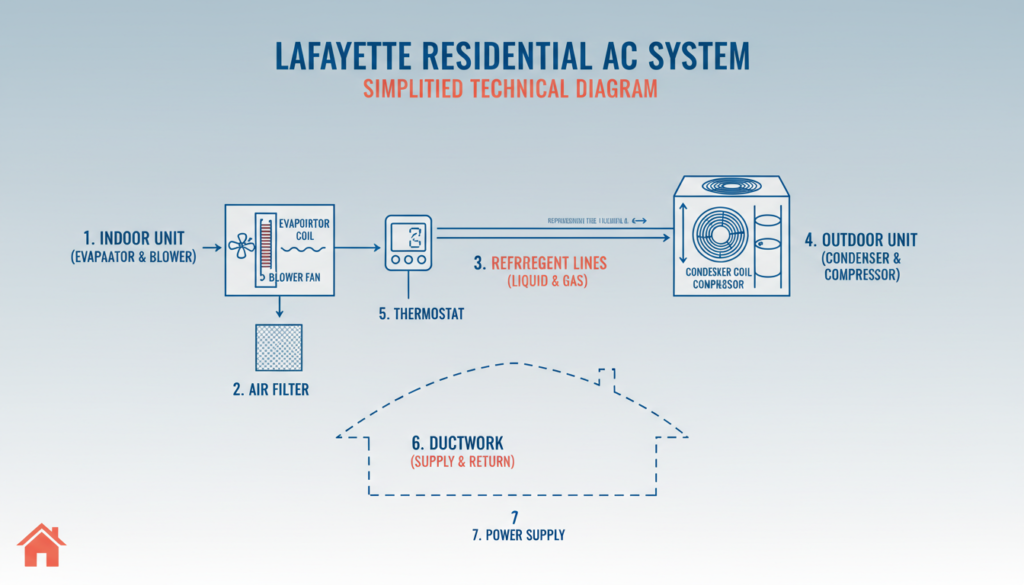
The good news? Many causes of warm air from your AC can be fixed quickly, and some you can even troubleshoot yourself. In this guide, we’ll walk you through exactly why your air conditioner might be blowing warm air and what you can do about it. Whether it’s a simple thermostat setting or something that needs professional attention, we’ve got you covered.
Quick Checklist: First Things to Check
Before you panic or call for AC repair, run through this quick checklist. These simple checks take just a few minutes and might solve your problem right away:
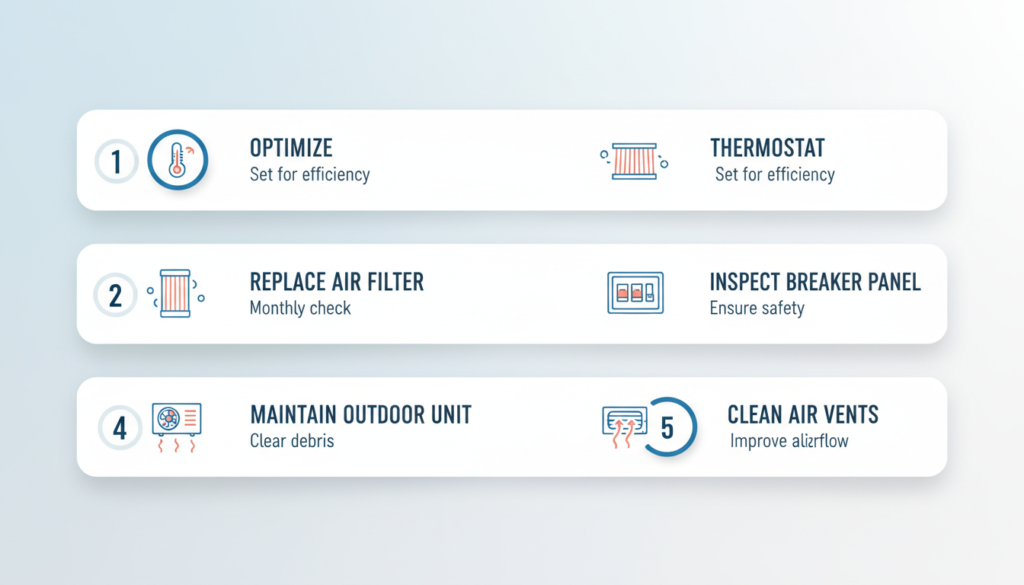
Check Your Thermostat Settings Make sure your thermostat is set to “Cool” mode, not “Heat” or “Off.” Also, check that the temperature setting is lower than your current room temperature. If your fan is set to “ON” instead of “AUTO,” it will blow air constantly—even when the AC isn’t cooling. Switch it to “AUTO” so the fan only runs when actively cooling.
Look at Your Air Filter. A clogged air filter is one of the most common reasons for AC problems. Pull out your filter and hold it up to the light. If you can’t see light passing through, it’s time for a replacement.
Check Your Circuit Breaker. Head to your electrical panel and make sure the breaker for your AC unit hasn’t tripped. If it has, flip it back on and see if that solves the problem.
Inspect Your Outdoor Unit. Walk outside and look at your condenser unit. Is it running? Do you see any obvious debris, leaves, or dirt blocking it? Make sure there’s at least two feet of clear space around the unit.
Check Your Vent.s Walk through your home and make sure all your supply vents are open and not blocked by furniture, curtains, or other objects.
If you’ve checked all these items and your AC is still blowing warm air, it’s time to dig deeper into what might be causing the problem.
7 Common Causes Why Your AC Is Blowing Warm Air
1. Dirty or Clogged Air Filter
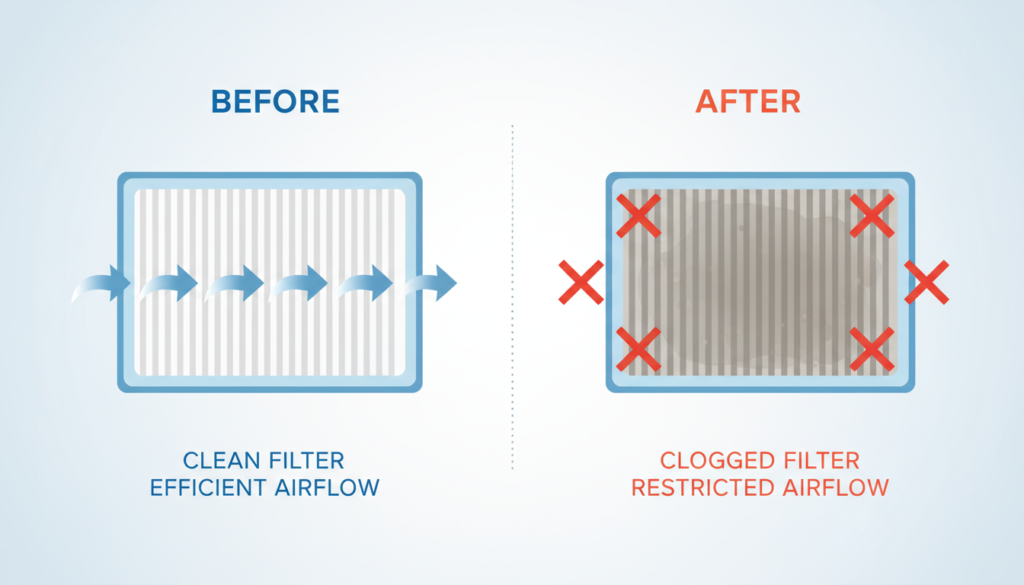
Your air filter does an important job it catches dust, pollen, pet hair, and other particles before they get into your AC system. But when it gets too dirty, it restricts airflow, which makes your entire system work harder and less efficiently.
When airflow is restricted, your evaporator coil (the part that actually cools the air) can’t do its job properly. In some cases, reduced airflow can even cause the coil to freeze over, which definitely means no cold air for you.
The Fix: Check your air filter every month, especially during heavy-use months in Lafayette’s hot summer. Most filters should be replaced every 1-3 months, depending on your home. If you have pets or allergies, you might need to change it more often. Replacing a filter is simple just pull out the old one and slide in a new one of the same size. This is one of the easiest DIY fixes that can make a huge difference.
2. Thermostat Issues
Your thermostat is the brain of your cooling system, and if it’s not working right, your AC won’t either. Sometimes the problem isn’t your air conditioner at all—it’s just a miscommunication from your thermostat.
Common thermostat problems include dead batteries, incorrect settings, loose wiring, or calibration issues. If you have an older thermostat, it might not be reading your home’s temperature accurately. Smart thermostats can sometimes have software glitches or connectivity issues.
The Fix: First, check the obvious stuff—make sure it’s set to “Cool” and the temperature is set below your current room temp. If you have a battery-powered thermostat, try replacing the batteries. Check that the thermostat is level on the wall and not in direct sunlight or near a heat source, which can throw off its readings.
If your thermostat seems off or you’re not sure it’s working properly, it might be time to upgrade to a newer model or have a professional from Fontenot Air Conditioning and Heating take a look.
3. Refrigerant Leak
Refrigerant is a special chemical that actually absorbs heat from your indoor air and releases it outside. Your AC needs the right amount of refrigerant to cool effectively. If there’s a leak, your system will gradually lose its ability to cool your home.
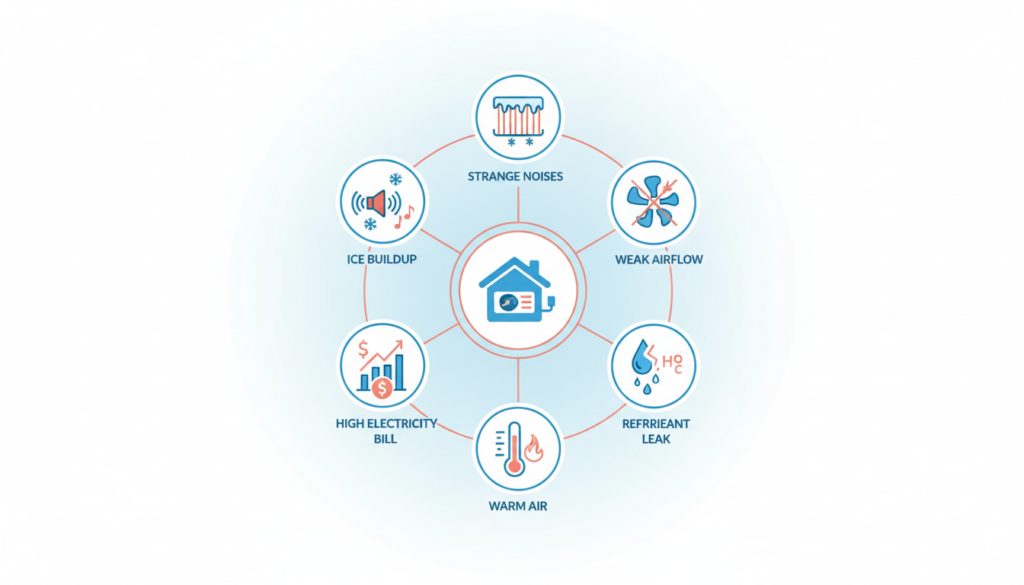
Signs of low refrigerant include warm air from your vents, ice buildup on the refrigerant lines or evaporator coil, hissing sounds near the AC unit, and higher electric bills because your system is working overtime.
The Fix: This isn’t a DIY job. Refrigerant leaks require professional AC repair. A licensed technician needs to find the leak, repair it, and then recharge your system with the correct amount of refrigerant. Despite what you might see online, simply adding more refrigerant without fixing the leak is a temporary fix at best and can actually damage your system.
If you suspect a refrigerant leak in your Lafayette home, contact the experts at Fontenot Air Conditioning and Heating for proper diagnosis and repair.
4. Frozen Evaporator Coil
Your evaporator coil is located in your indoor unit, and it’s where the actual cooling happens. When warm air from your home passes over this cold coil, the refrigerant inside absorbs the heat. But sometimes, this coil can actually freeze over—and when it does, it can’t cool your air.
A frozen coil usually happens because of restricted airflow (often from a dirty filter), low refrigerant levels, or problems with your blower fan. You might notice ice on the copper lines running to your outdoor unit, water dripping from your indoor unit, or reduced airflow from your vents.
The Fix: If you discover a frozen coil, turn off your AC immediately to prevent damage. Let it thaw completely this can take several hours or even a full day. Don’t try to chip off the ice or speed up the process with a hair dryer.
Once it’s thawed, change your air filter and turn the system back on. If it freezes again, there’s a deeper issue that needs professional attention. Problems like low refrigerant or a faulty blower motor require an HVAC technician to diagnose and repair.
5. Dirty Condenser Coils (Outdoor Unit)
Your outdoor unit, also called the condenser, releases the heat that your AC removes from your home. The condenser coils need to be clean to do this effectively. Over time, dirt, grass clippings, cottonwood seeds, and other outdoor debris can build up on these coils.
When the coils are dirty, heat can’t escape properly. This makes your entire system work harder, reduces efficiency, and can eventually lead to warm air blowing from your vents. In Lafayette’s climate, with our oak trees and seasonal pollen, outdoor units can get dirty pretty quickly.
The Fix: You can do some basic outdoor unit maintenance yourself. First, turn off the power to the unit at the disconnect box near the condenser. Gently remove any leaves, grass, or debris from around and on top of the unit. You can use a garden hose to spray the coils from the inside out (never use a pressure washer it can damage the delicate fins).
For a thorough cleaning, especially if the coils are really dirty, it’s best to have a professional service. Fontenot Air Conditioning and Heating includes condenser coil cleaning in our regular AC maintenance visits.
6. Faulty Compressor
The compressor is basically the heart of your air conditioning system. It pumps refrigerant through the system and is responsible for the cooling process. When your compressor fails or isn’t working properly, your AC simply can’t cool your home.
Signs of compressor problems include warm air from vents, the outdoor unit not turning on at all, strange noises like grinding or rattling from the outdoor unit, or the circuit breaker repeatedly tripping.
The Fix: Compressor issues always require professional diagnosis and repair. These are complex electrical and mechanical components that can’t be fixed with DIY methods. A technician will test the compressor to see if it’s failed completely or if there’s a related issue like a bad capacitor or electrical problem.
Unfortunately, compressor replacement is one of the more expensive AC repairs. Depending on your system’s age, it might make more financial sense to replace the entire unit rather than replace the compressor. An honest HVAC company will walk you through your options and help you make the best decision for your situation and budget.
7. Electrical or Capacitor Problems
Your AC system relies on several electrical components to function. The capacitors give your compressor and fan motors the boost they need to start up. If a capacitor fails, your outdoor unit might not start at all, or it might start and then quickly shut down.
Other electrical issues can include faulty contactors, bad relays, or wiring problems. You might hear a clicking sound from your outdoor unit, but it won’t start, or the unit might hum without the fan spinning.
The Fix: Electrical problems are definitely not DIY territory. Working with electrical components without proper training is dangerous and can damage your system further. If you suspect an electrical issue, call a professional technician.
Capacitors are relatively inexpensive parts, but they need to be properly tested and replaced by someone who knows what they’re doing. Fontenot Air Conditioning and Heating can quickly diagnose and fix electrical problems to get your cool air flowing again.
DIY Troubleshooting Steps
If your AC is blowing warm air, follow these steps before calling for professional help:
- Turn off your AC and check your thermostat. Verify all settings are correct and try replacing the batteries if applicable.
- Inspect and replace your air filter. This is the most common culprit and the easiest fix.
- Examine your outdoor unit. Clear away any debris, leaves, or grass clippings. Make sure nothing is blocking airflow around the unit.
- Check for ice on your indoor unit. If you see ice, turn off the AC and let it thaw completely before trying again.
- Reset your circuit breaker. If it’s tripped, reset it. If it trips again immediately, that signals an electrical problem that needs professional attention.
- Test the airflow from your vents. Make sure all vents are open and unblocked. Check if some rooms get airflow while others don’t.
- Listen for unusual sounds. Grinding, squealing, or rattling noises can indicate mechanical problems that need repair.
If you’ve gone through all these steps and your air conditioner is still blowing warm air, it’s time to bring in the professionals.
When to Call a Professional
While some AC problems have simple DIY solutions, others require professional expertise. Call Fontenot Air Conditioning and Heating in Lafayette if you experience:
Refrigerant-related issues – Only licensed technicians can legally handle refrigerant. If you suspect a leak or low refrigerant, professional help is required.
Electrical problems – Faulty wiring, bad capacitors, or electrical issues are both dangerous and complex. Don’t risk injury or further damage.
Compressor failure – If your compressor isn’t working, you need a professional diagnosis to determine whether repair or replacement makes sense.
Persistent warm air after troubleshooting – If you’ve checked everything on the DIY list and still have warm air, there’s likely a problem that requires diagnostic equipment and expertise.
Strange noises or smells – Unusual sounds or burning smells can indicate serious problems that need immediate attention.
System age and efficiency concerns – If your AC is over 10-15 years old and has multiple problems, a professional can help you decide between repair and replacement based on cost-effectiveness.
Don’t wait until a small problem becomes a major breakdown. Regular professional maintenance can prevent many of these issues and catch small problems before they become expensive repairs.
Prevention Tips: Keep Your AC Running Cool
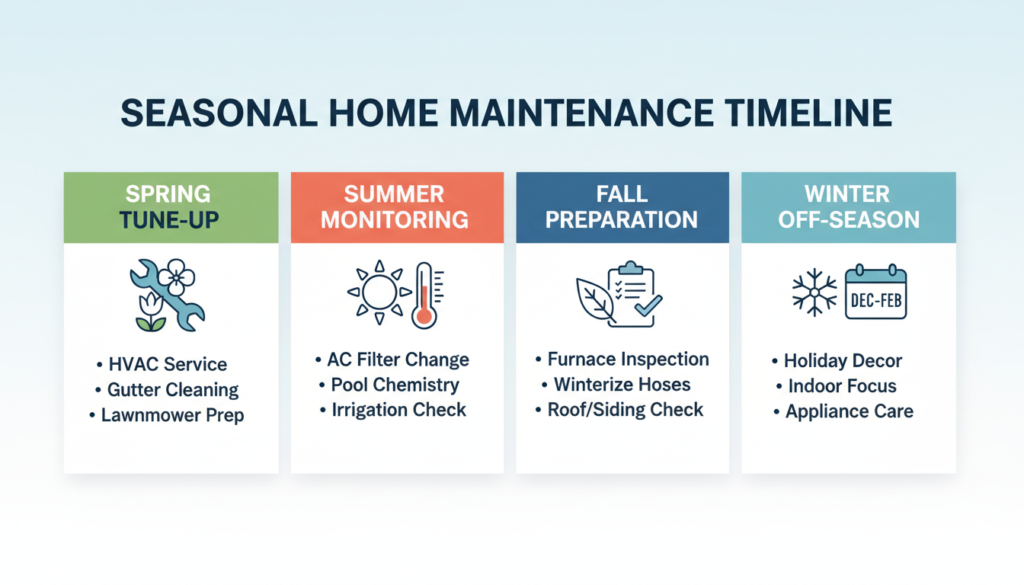
The best way to deal with an AC blowing warm air is to prevent it from happening in the first place. Here’s how:
Stick to a Regular Maintenance Schedule. Have your AC professionally serviced at least once a year, ideally before Lafayette’s cooling season starts. During a maintenance visit, technicians clean coils, check refrigerant levels, test electrical components, and catch small issues before they become big problems.
Don’t Skip Seasonal Tune-Ups. Spring is the perfect time for AC maintenance. Getting your system checked before the summer heat hits ensures you won’t be left without cooling when you need it most.
Replace Filters Regularly. Set a reminder on your phone to check your air filter monthly. Replace it every 1-3 months, or more often if you have pets, allergies, or run your AC constantly.
Keep Your Outdoor Unit Clean Throughout the cooling season, periodically check your outdoor unit and remove any debris. Trim back plants or shrubs so there’s at least two feet of clearance around the unit.
Use Your Thermostat Wisely. Don’t set your thermostat extremely low, thinking it will cool faster; it won’t. Instead, it just makes your system work harder. A programmable or smart thermostat can help you maintain comfortable temperatures efficiently.
Don’t Ignore Small Problems. If you notice your AC isn’t cooling quite as well as usual, or you hear a new noise, don’t ignore it. Small problems caught early are much cheaper to fix than major breakdowns.
AC Repair Cost Breakdown
Understanding potential costs can help you budget for repairs:
| Issue | Typical Cost Range |
| Air filter replacement (DIY) | $15-$30 |
| Thermostat replacement | $150-$400 |
| Refrigerant recharge | $200-$600 |
| Capacitor replacement | $150-$400 |
| Condenser coil cleaning | $100-$300 |
| Compressor replacement | $1,500-$2,500 |
| Full system replacement | $3,500-$7,500+ |
Keep in mind these are general ranges. Your actual cost depends on your specific system, the extent of the problem, and your location in Lafayette. Fontenot Air Conditioning and Heating provides upfront pricing so you know exactly what to expect before any work begins.
For older systems with major component failures, replacement might actually be more cost-effective than repair, especially when you factor in improved energy efficiency and reliability.
Frequently Asked Questions
How much does it cost to fix an AC blowing warm air?
It depends on the cause. Simple fixes like replacing an air filter cost under $30, while major repairs like compressor replacement can run $1,500-$2,500. Many issues fall in the $150-$600 range. The best approach is to get a professional diagnosis so you know exactly what’s wrong and what it will cost to fix.
Can I fix my AC blowing warm air myself?
Some causes have DIY solutions, such as replacing your air filter, adjusting thermostat settings, clearing debris from your outdoor unit, or resetting a tripped breaker. However, issues involving refrigerant, electrical components, or major mechanical parts require professional expertise and specialized tools.
How long does it take to fix an AC blowing warm air?
Simple fixes take just minutes (like changing a filter or adjusting settings). Professional repairs typically take 1-3 hours for the most common issues. Major repairs like compressor replacement might require 4-6 hours or multiple visits.
Is it safe to run the AC when it’s blowing warm air?
It depends on the cause. If it’s just a thermostat setting, it’s fine. But if there’s a frozen coil, refrigerant leak, or mechanical problem, continuing to run the system can cause further damage. When in doubt, turn it off and get professional help.
Why is my AC blowing warm air only sometimes?
Intermittent warm air often points to electrical issues (like a failing capacitor), thermostat problems, or an AC that’s short-cycling. Low refrigerant can also cause this. These issues typically require professional diagnosis to identify and fix properly.
What’s the most common reason for the AC blowing warm air?
Dirty air filters are the number one culprit. They’re also the easiest to fix. After that, thermostat issues and refrigerant problems are very common. Regular maintenance prevents most of these issues.
Get Your Cool Air Back Today
Dealing with an AC blowing warm air is frustrating, especially during Lafayette’s hot and humid summers. While some problems have quick DIY fixes, others need the expertise of trained HVAC professionals.
If you’ve tried the basic troubleshooting steps and still have warm air, or if you’ve discovered an issue that needs professional attention, Fontenot Air Conditioning and Heating is here to help. Our experienced technicians serve Lafayette and the surrounding areas with fast, reliable AC repair services.
Don’t suffer through another day of warm air. Contact Fontenot Air Conditioning and Heating today to schedule your AC repair and get back to enjoying comfortable, cool air in your home.