
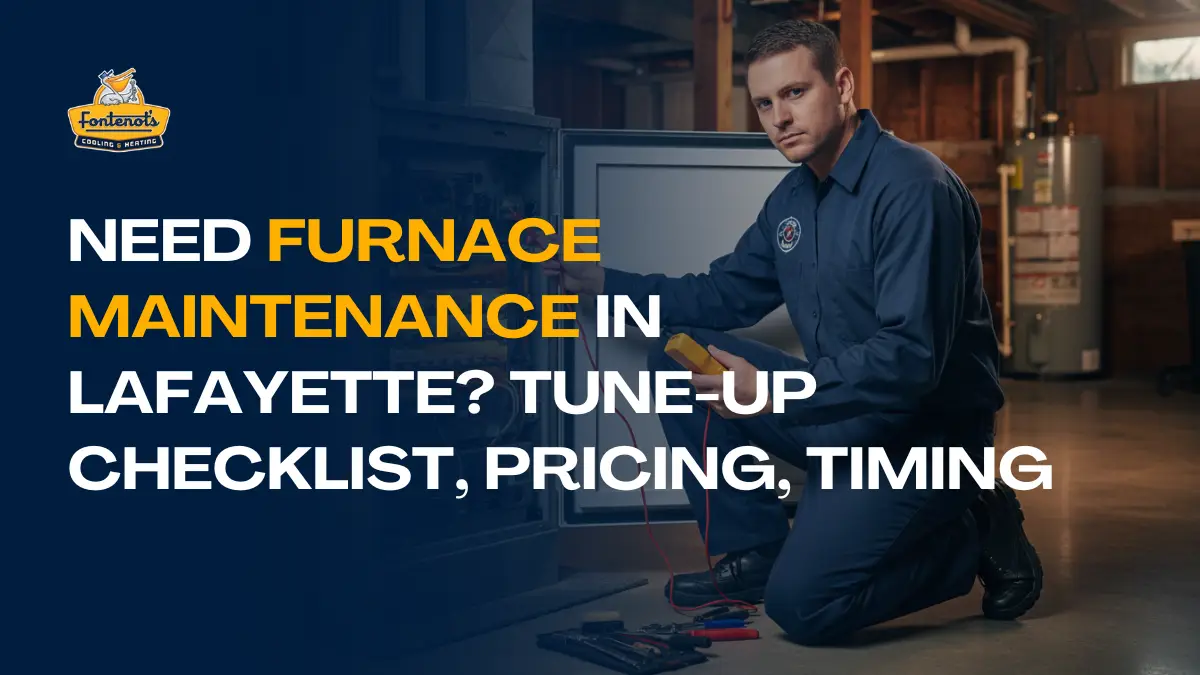
For Lafayette, LA homeowners, Fontenot’s Air Conditioning and Heating provides comprehensive furnace tune up is often viewed as just another household expense, but in reality, it is a critical preventative maintenance service that is non-negotiable for safety and system longevity. When temperatures drop, the last thing any homeowner wants is a complete heating system failure. This comprehensive guide details exactly what a furnace tune-up entails, why it is essential, how much it typically costs, and how often you should schedule this vital service.
A furnace tune-up is a critical preventative maintenance service performed by a licensed professional. This service is specifically designed to ensure your heating system operates at its maximum efficiency and performance throughout the heating season.
The primary goal of this service is to identify and fix small issues before they escalate into major, expensive breakdowns during the heating season. To understand its necessity, consider this analogy: a furnace tune-up is like routine maintenance for your car—necessary for reliability and longevity. Just as you wouldn’t skip an oil change before a long road trip, you shouldn’t skip annual maintenance before winter.
The Strong Value Proposition: Safety and Savings
The decision to invest in an annual tune-up delivers several major benefits that far outweigh the upfront cost. These benefits focus on safety, cost reduction, and system longevity.
Enhanced Safety (The #1 Priority)
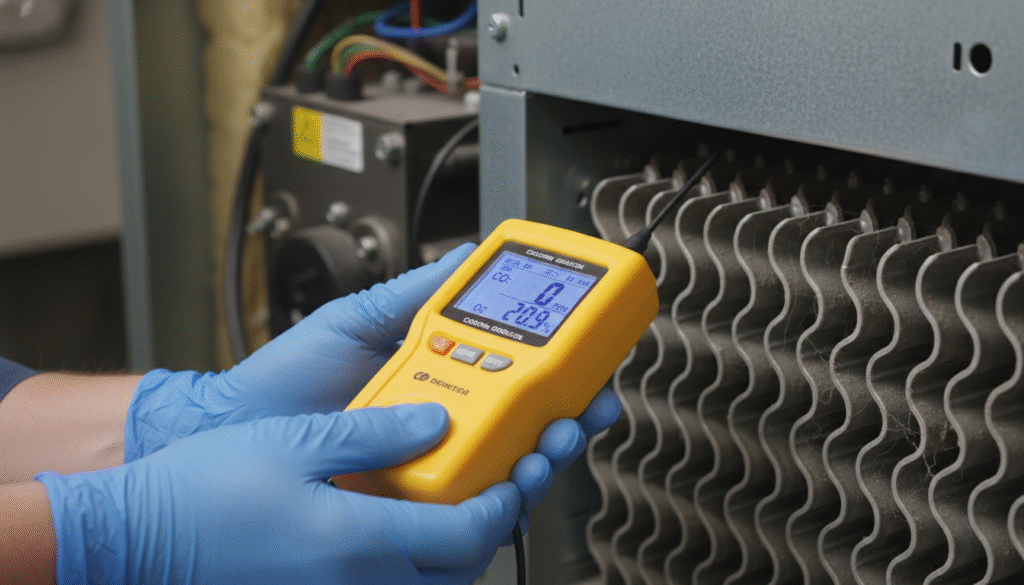
Safety is arguably the most vital reason to schedule a professional tune-up. Detail that tune-ups are a vital factor for safety, specifically testing for Carbon Monoxide (CO) leaks, inspecting for gas leaks, and looking for dangerous cracks in the heat exchanger. Carbon monoxide is odorless and colorless, making professional inspection the only reliable way to ensure your home is safe from this deadly gas.
Significant Energy Efficiency and Cost Savings
A clean, well-maintained furnace burns fuel more efficiently. When components are clean and properly calibrated, the system does not have to work as hard to heat your home, which reduces energy use and lowers monthly heating bills. Homeowners can potentially achieve significant savings, with sources highlighting the potential for up to 15% reduction in energy bills.
Preventing Emergency Breakdowns
Preventative maintenance is the best defense against unexpected heating failures. Tune-ups minimize the risk of the system failing when you need it most. This preparation helps you avoid costly, emergency repairs that inevitably occur during the busiest, coldest periods.
Maximizing System Lifespan and Warranty
Regular maintenance reduces the wear and tear on complex components. By ensuring all parts are clean and properly lubricated, the furnace operates under less stress, thereby extending the overall lifespan of the furnace. Furthermore, many manufacturer’s warranties require proof of annual professional maintenance to remain valid. Skipping this service could void your warranty coverage, leaving you exposed to 100% of the cost of a major repair.
What Does a Furnace Tune Up Include? The Detailed 15-Point Checklist
When paying for a professional tune-up, homeowners need assurance they are receiving a comprehensive service, not just a quick visual inspection. The following definitive list outlines the thorough 15-point process that a qualified technician should perform, combining cleaning, safety, and performance checks.
Cleaning and Inspection
This phase focuses on the physical components, removing grime and ensuring mechanical parts move freely.
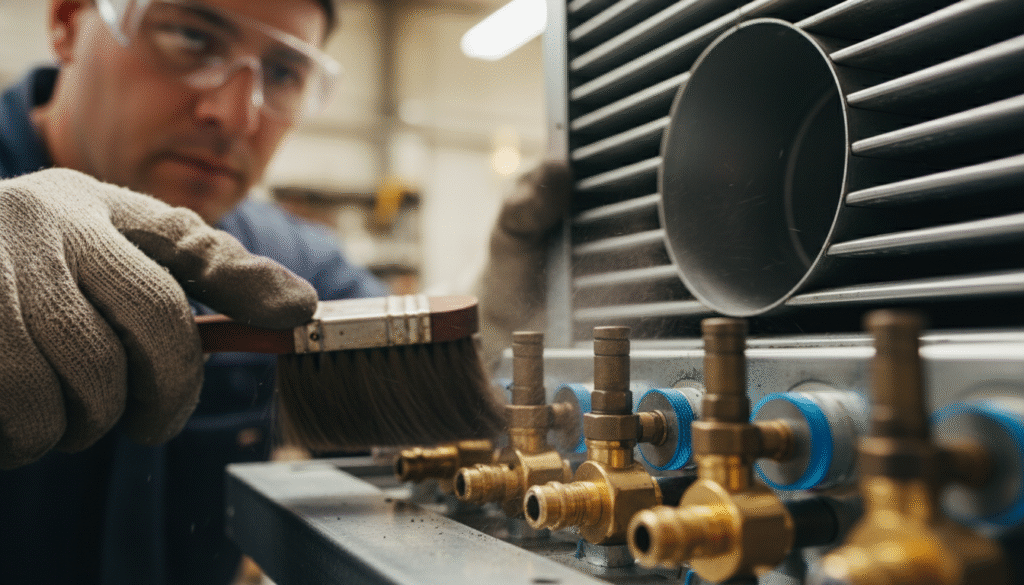
- Cleaning and inspecting the burner and combustion chamber. Dirt and soot buildup here can drastically reduce efficiency and cause an incomplete burn.
- Checking, cleaning, and lubricating the blower and motor. Proper lubrication prevents premature wear and tear on the motor.
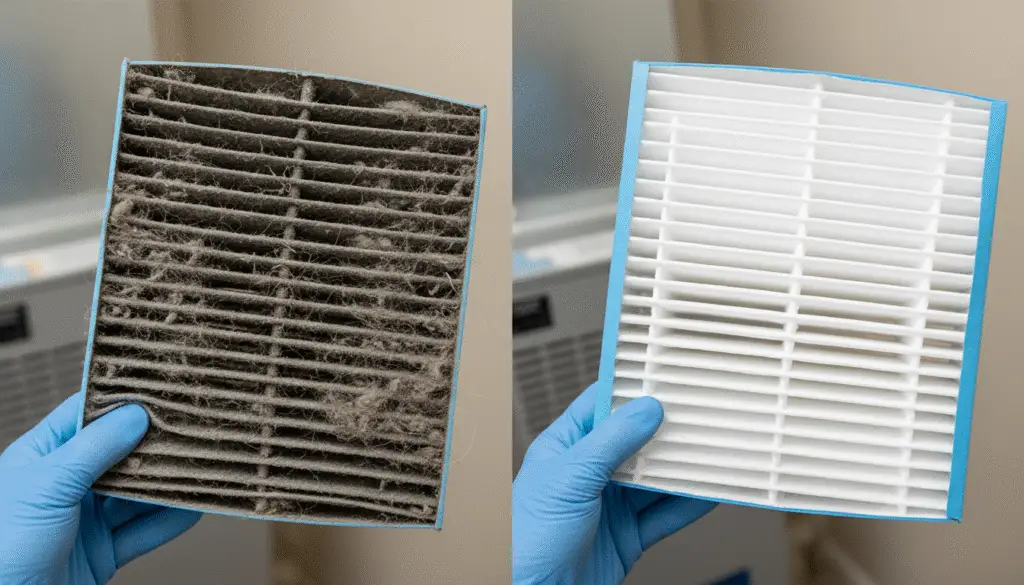
- Checking or replacing the air filter. A dirty filter restricts airflow, forcing the system to work harder.
- Cleaning the condensate drain line. This is especially crucial for high-efficiency condensing units to prevent drainage backups and system shutdowns.
Safety Testing (High-Depth Focus)
Safety testing is highly technical and requires specialized tools, underscoring why this is not a do-it-yourself task.
- Heat Exchanger Inspection. The technician thoroughly inspects the heat exchanger for any cracks, rust, or corrosion. A crack here can allow dangerous exhaust fumes, including Carbon Monoxide, to mix with your home’s breathable air.
- Gas Pressure and Flue/Venting Inspection. This step ensures proper gas pressure is maintained and that the venting system and flue are clear of obstructions, allowing combustion exhaust gases to safely exit the home.
- Combustion Analysis. This is a critical high-depth step. Combustion analysis measures specific parameters like CO (Carbon Monoxide) and O2 (Oxygen) levels to ensure safe, complete burning and optimal efficiency.
Performance and Electrical Checks
These checks ensure the system starts reliably and efficiently.
- Testing and cleaning the ignition system or flame sensor. A dirty flame sensor is one of the most common causes of a furnace failing to start.
- Tightening all electrical connections. Loose connections can cause shorts, sparks, and inefficient power draw.
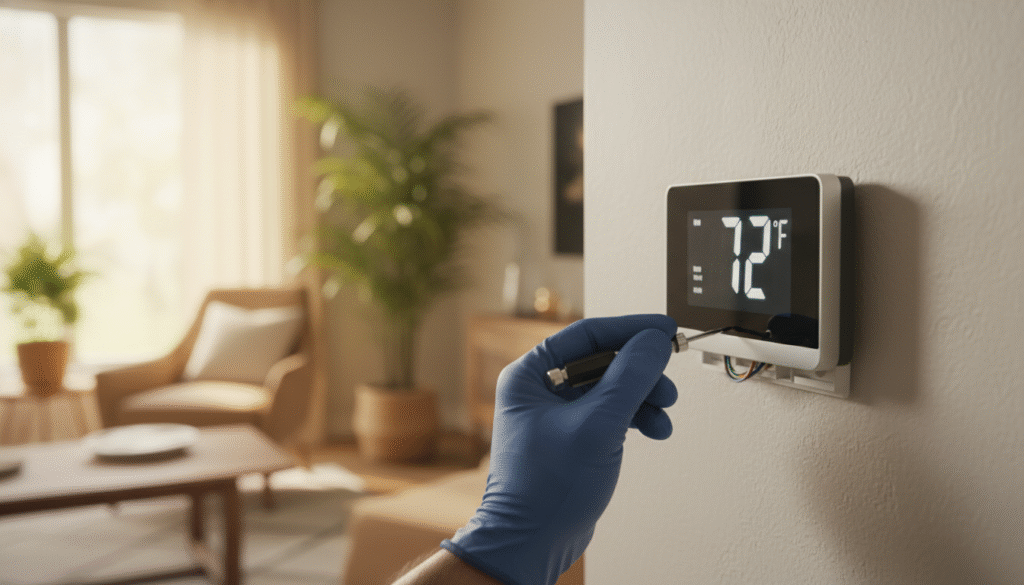
- Calibrating the thermostat. This step ensures the furnace activates accurately according to the desired temperature setting.
Timing, Cost, and Duration of Your Furnace Tune-Up
Homeowners often wonder about the logistics: when should I schedule the service, how much should I budget, and how long will the professional be at my home?
A. How Often to Tune Up Your Furnace? Frequency and Ideal Timing
The industry consensus is clear: a furnace needs a tune-up once per year.
The ideal timeframe to schedule this annual maintenance is in the early fall or late summer, before the heating season begins in earnest. This timing ensures the system is thoroughly inspected and ready to perform efficiently when the first cold snap hits.
It is important to note the signs you need an immediate tune-up, even if you had one earlier in the year. These symptoms include unusually high energy bills, strange noises, inconsistent heating, or short cycling (the furnace turning on and off too frequently).
B. How Much Does a Furnace Tune Up Cost? Price Transparency and Warnings
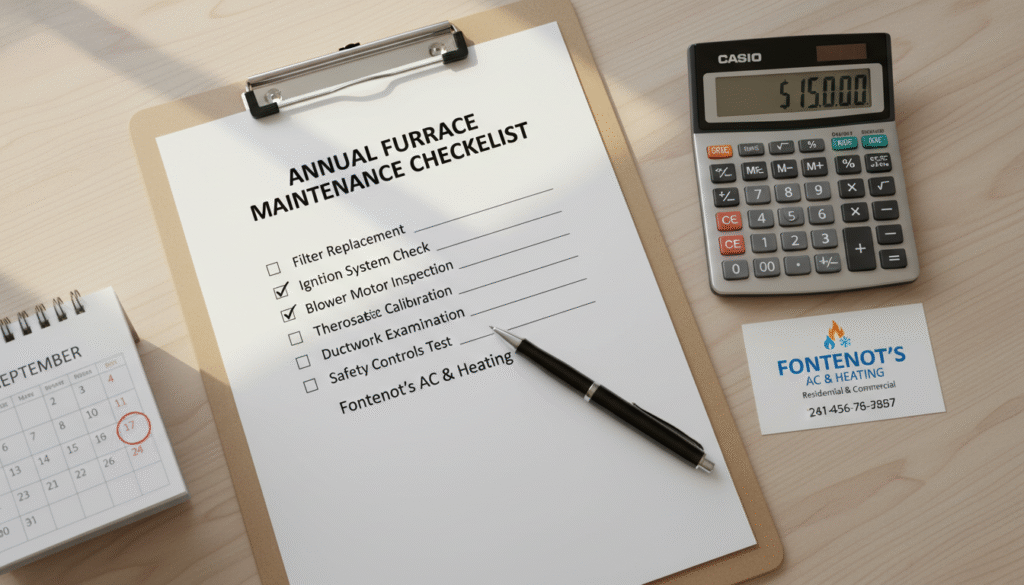
The cost range for a furnace tune-up can vary significantly based on location, provider, and the level of service. The standard range is usually $70 to $200 for a basic service, but it can climb up to $500 for comprehensive plans or if extensive cleaning is required.
Factors affecting cost include the fuel type (oil or gas are often slightly more expensive than electric due to combustion system cleaning), labor rates in your region, and the overall condition of the furnace.
The “$29 Tune-Up” Warning: Consumers must exercise caution regarding ultra-low-cost offers. Low-cost deals, such as a “$29 Tune-Up,” may often be “sales calls” or basic safety checks only, lacking the comprehensive performance steps necessary for true efficiency and longevity. To ensure you are receiving a “real inspection” rather than a thinly veiled sales pitch, experts encourage users to request the provider’s specific, detailed checklist before booking the service.
C. How Long Does a Furnace Tune Up Take?
The time required to complete a furnace tune-up typically depends on the type, age, and condition of the furnace.
Average Duration
A typical furnace tune-up usually takes 60 to 90 minutes (1 to 1.5 hours). While some sources indicate that a comprehensive furnace tune-up may take an average of 1 to 2 hours, the job is often noted to take approximately one hour. A tune-up is considered a quick process .
Duration Based on Furnace Type
The approximate time frame changes based on the furnace model and age:
| Furnace Type | Approximate Time |
| New Gas Furnace | 45–60 minutes |
| Older Furnace (10+ years) | 60–90 minutes |
| Oil Furnace | 90+ minutes (due to requiring more cleaning) |
| High-Efficiency Models | Up to 90 minutes (due to having more components to test) |
Note: Gas and electric furnaces are generally serviced faster than oil models because they contain fewer parts and require less cleaning .
Factors that Increase Tune-Up Time
The duration of the furnace service visit depends on several variables:
- Age of the Furnace: Older systems tend to have more wear and tear, which may require extra time for proper inspection and repairs .
- Last Time It Was Serviced: If the system has not had a tune-up for many years, the technician will need more time to thoroughly clean and inspect all components .
- Type of Furnace: As mentioned, oil furnaces typically require more time.
- Accessibility: If the furnace is difficult to access—for example, situated in a narrow corner of a basement or an attic—the service may be prolonged .
- Detected Problems: If issues like a dirty burner or a cracked heat exchanger are discovered during the inspection, the visit may be extended to accommodate necessary repairs.
Completing a tune-up in about an hour is a quick, cost-effective, and crucial process that helps ensure your system runs safely and efficiently . It can potentially save you from a larger, 6-hour-long breakdown during the winter .
Tune-Up Requirements for Specific Heating Systems: Gas, Oil, Electric, and Boilers
While the core principles of maintenance are consistent, different heating systems have unique needs that professionals must address.
Gas Furnaces
As the most common system in many regions, the maintenance for gas furnaces heavily focuses on the safety and efficiency of combustion. Key services include combustion analysis and gas pressure checks to ensure the unit is burning fuel cleanly and safely.
Oil Furnaces
Oil furnaces require specific, and often more costly, annual maintenance due to the nature of their fuel. Oil systems tend to produce more soot and residue, necessitating more aggressive cleaning. Key service components include nozzle replacement, oil filter replacement, tank inspection, and flue smoke testing.
Electric Furnaces
Although electric furnaces are generally less complicated and maintenance is cheaper, they still require professional attention. Their tune-up is focused primarily on electrical integrity. Technicians must specify that they require professional checks focused on electrical components, wiring connections, and the blower motor to prevent overheating and ensure consistent operation.
Boilers
For homes using hot water or steam boilers, the maintenance differs significantly from forced-air furnaces. Boilers require specialized attention, including checking water level, pressure, and the relief valve. These checks ensure the system is operating safely within its mandated pressure limits.
Professional Maintenance vs. Homeowner DIY Tasks
There is a clear line between what a homeowner can safely perform and what requires a licensed professional.
Why Professional Service is Non-Negotiable
The full tune-up is NOT a DIY job. Due to the high risk associated with combustion systems, gas lines, and high-voltage electrical components, licensed HVAC technicians are required for safety checks and complex diagnostics. Professionals often hold certifications, such as being NATE-certified technicians, which confirms they have the specialized knowledge to perform these high-stakes services safely and effectively.
Safe DIY Tasks
Despite the need for professional service, homeowners can safely perform certain tasks that supplement annual maintenance and improve daily efficiency. These safe DIY tasks include:
- Regularly changing the air filter (as recommended by the manufacturer, often every 1 to 3 months).
- Keeping the furnace area clean and uncluttered, ensuring at least a few feet of clear space around the unit.
- Monitoring the thermostat settings to ensure they are accurate.
Analyzing Maintenance Plans and Agreements
Many HVAC companies offer annual maintenance agreements or service plans. These plans are designed to simplify scheduling and offer additional financial benefits.
Benefits of Maintenance Agreements
Plans typically offer several advantages, including priority service (meaning your repairs are handled faster during peak season), preferred pricing on labor, and discounts on parts.
Ensuring Transparency
When considering a maintenance plan, transparency is crucial. While providers often list “preferred pricing” and “discounts on parts,” it is wise to stress that clarity on the actual “preferred pricing” discount value (e.g., 15% off) is crucial. You should also suggest asking for a hypothetical example comparing single service cost versus subscription cost to fully evaluate the economic benefit of the plan.
Conclusion:
A furnace tune-up is not an optional luxury; it is a minor annual expense that secures major long-term benefits in safety, efficiency, and reliability. Ignoring this service means accepting higher utility bills, greater risk of dangerous malfunctions, and shortening the life of an expensive appliance.
Ultimately, a furnace tune-up is like a health insurance policy for your home’s most essential appliance. It is a small, necessary investment to protect against catastrophic failure and major health risks.
Do not wait until the first cold snap. We encourage the user to schedule their professional maintenance before the early fall deadline to ensure your family stays safe and warm all winter long.
Serving Lafayette and surrounding Louisiana areas, Fontenot’s Air Conditioning and Heating offers professional furnace maintenance. Call us at [(337) 789-6070] or schedule online today.