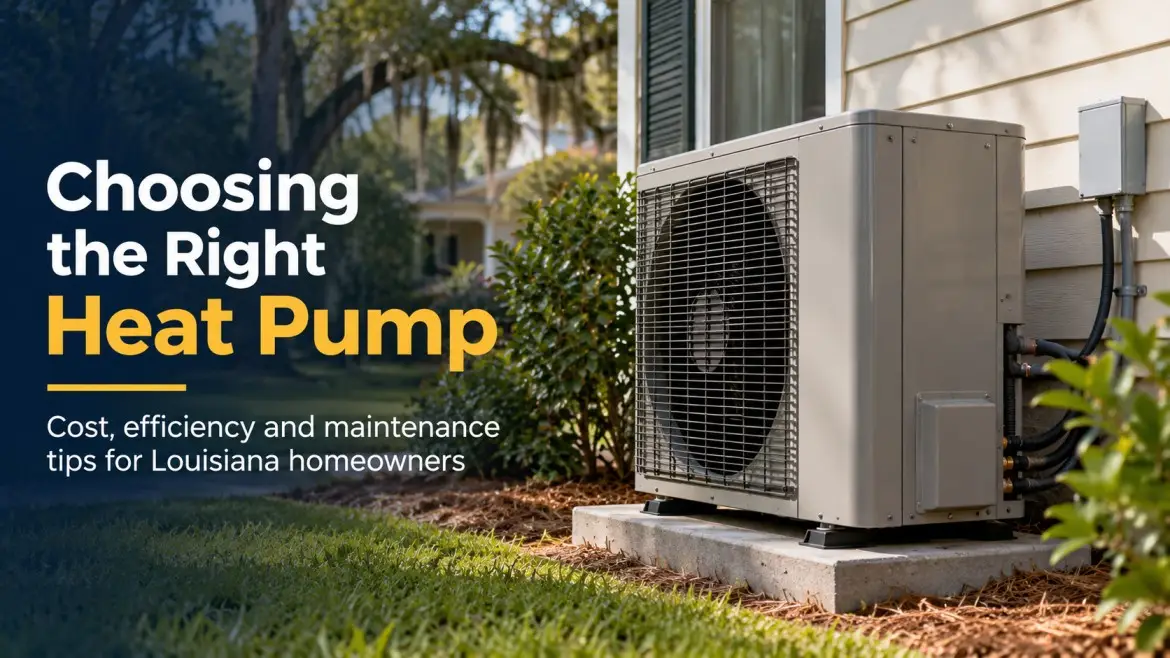
When the Louisiana summer heat hits, a properly functioning air conditioner isn’t a luxury—it’s a necessity. If your AC is struggling to keep your Broussard home cool, you need professional AC repair services to diagnose low refrigerant issues.
Many homeowners mistakenly believe refrigerant is a fuel that gets used up, like gasoline. However, refrigerant is the closed system’s lifeblood, and it should never decrease. If your system is low, it means there is a leak somewhere in the lines or components.
A professional AC service doesn’t simply “top off” the refrigerant; doing so without fixing the underlying leak is both wasteful and short-sighted. The core of professional AC service is identifying the leak, performing a durable repair, and then recharging the system correctly. This article details the certified process HVAC professionals use to restore comfort and efficiency to your system.
Why Low Refrigerant is a Crisis in Broussard’s Humidity
Operating an AC unit in the hot and humid climate of Broussard, LA, requires peak performance. When refrigerant levels drop, the AC system cannot absorb the necessary heat from your home.
This deficit forces the air conditioner to run almost constantly in an attempt to reach the set temperature, leading to two major problems: rapidly escalating utility bills and, most critically, severe strain on the compressor. The compressor is the heart of your system, and without sufficient refrigerant, it can overheat and fail entirely—an extremely costly repair that often necessitates full unit replacement. Addressing a leak early is the key to preventing this catastrophic failure.
7 Critical Signs Your AC is Running Low on Refrigerant
Before a technician performs a comprehensive leak detection and repair, homeowners must be able to recognize the telltale signs that their air conditioner is experiencing low refrigerant levels. If you notice any of these symptoms, contact our emergency HVAC service immediately.
- Warm Air Coming From Vents If the air blowing out of your vents feels warmer than usual, or simply less cool, it’s a primary indicator of a serious problem. Refrigerant is responsible for absorbing heat from your home’s air, and low levels mean the chemical reaction needed for cooling cannot occur effectively.
- The Unit is Running Constantly (Longer Cycles) In an effort to meet the temperature demand set by the thermostat, the AC system will run almost non-stop. This constant running (longer cycles) indicates the system is working harder but failing to achieve the desired temperature.
- Visible Ice or Frost Buildup This symptom often surprises homeowners. Low refrigerant causes the system’s pressure to drop significantly. When this happens, the evaporator coil (the indoor component) gets excessively cold, which can cause moisture in the air to freeze onto the coil. While this might look like a cooling issue, it actually blocks airflow and severely damages the unit.
- Hissing or Bubbling Noises Refrigerant leaks are often audible. A hissing sound usually indicates a larger refrigerant leak, while a bubbling or gurgling noise may suggest the leak is occurring within the coils where the liquid and gas phases meet.
- Unusually High Electricity Bills Because the AC unit is struggling and running for much longer periods than usual, your home’s energy consumption will spike drastically. The system cannot efficiently cool your home, leading to financial strain.
- The System Fails to Reach the Thermostat Setting You set the thermostat to 72°F, but the temperature inside the house never dips below 78°F. This inability to meet the set temperature, especially during peak heat hours in Louisiana, is a clear sign of compromised cooling capacity due to low refrigerant.
- Pungent or Chemical Smells In rare, severe cases of a large leak, some people may detect a slight chemical odor associated with the refrigerant itself. While modern refrigerants are relatively odorless, a large breach can sometimes release a subtle, pungent smell.
The True Cause: Understanding Refrigerant Leaks
It is crucial to reiterate that your air conditioner does not consume refrigerant. Unlike fuel, refrigerant simply cycles between liquid and gas states within a closed loop. If the level is low, a hole or crack—a leak—is responsible.
Identifying the source of the leak is the mandatory first step for any certified AC technician before proceeding with a recharge. Leaks typically occur for the following reasons:
1. Corrosion of Copper Lines This is perhaps the most common cause, especially in the humid and coastal environment of Louisiana. Over time, moisture, chemical residues, and environmental contaminants break down the thin copper tubing that carries the refrigerant, leading to tiny pinhole leaks.
2. Wear and Tear from Vibration AC units, both indoor and outdoor, generate vibrations during operation. Over years of continuous cycling, these vibrations can cause joints and connections to loosen, leading to small stress fractures in the coils or lines where the leaks begin.
3. Physical Damage The outdoor condenser unit is susceptible to physical damage. Things like accidental impacts during yard work or even severe weather debris can damage the sensitive coil fins or lines, leading to an immediate or gradual leak.
4. Faulty Installation If the AC unit was improperly installed, the technician may have failed to adequately tighten flares or solder joints correctly. These weak points, if not sealed perfectly, can develop slow leaks over time, often manifesting several years after the initial installation.
How AC Services Fix the Leak: The 5-Step Professional Process
In Broussard, LA, when an HVAC technician addresses a low refrigerant issue, they follow a rigorous, ethical, and technically sound procedure. They are required to obtain proper certification (often EPA regulated) to handle refrigerants. This process ensures the system is not only recharged but that the underlying problem—the leak—is permanently resolved.
Step 1: Diagnostic and Precision Leak Detection
The first and most critical step is locating the exact source of the leak . Since refrigerant lines can span the entire house, technicians use specialized tools to pinpoint the breach:
- Electronic Leak Detectors: Highly sensitive devices are passed along the refrigerant lines and coils. They sound an alarm when they detect the presence of refrigerant gas escaping.
- UV Dye Testing: In this method, a fluorescent dye is injected into the AC system. The system runs for a while, allowing the dye to escape with the refrigerant. The technician then uses a special UV light to scan the lines, revealing a bright spot where the leak originates.
- Soap Bubble Test: For larger, easily accessible leaks, technicians may apply a soap solution that visibly bubbles when gas escapes.
Step 2: Leak Repair and Component Check
Once the leak is located, the technician must repair it . Depending on the severity and location, this may involve:
- Soldering or Brazing: If the leak is a small pinhole in the copper tubing, the professional will use specialized tools to solder or braze the pipe shut, creating a permanent seal.
- Component Replacement: If the leak is in a component (like a service valve, the evaporator coil, or the condenser coil), the entire component may need to be replaced.
Step 3: System Evacuation—The Technical Imperative
This step is often overlooked by less thorough services but is essential for system longevity and performance. After the leak is repaired, the system’s sealed lines may still contain atmospheric air and moisture .
Using a powerful vacuum pump, the technician pulls a deep vacuum on the entire system to remove non-condensable gases (like air) and moisture (water vapor). If moisture remains, it can chemically combine with the refrigerant, forming corrosive acids that destroy the compressor and internal components over time. Evacuation ensures a dry, clean system ready for a new, precise charge .
Step 4: Precision Refrigerant Recharge
With the leak fixed and the system clean and evacuated, the technician adds the correct type and amount of refrigerant . Modern systems require precise measurement following ASHRAE industry standards , often weighed in ounces, to ensure optimal performance. Too little or too much refrigerant can decrease efficiency and damage the compressor .
Step 5: Performance Testing and Verification
The final step is verifying that the system is operating correctly under load . The technician monitors the pressure and temperature readings to ensure the AC is achieving the proper superheat and subcooling levels. This confirmation guarantees that the unit is cooling efficiently, the repair holds, and your Broussard home will maintain comfortable temperatures.
Why DIY or Ignoring the Problem is Illegal and Costly
Attempting to resolve a low refrigerant issue on your own or delaying professional service can lead to significant financial penalties, environmental harm, and expensive AC damage.
The Legal Risk: Refrigerant is Regulated
Refrigerant is not something you can legally handle yourself. Federal law, specifically enforced by the Environmental Protection Agency (EPA), strictly regulates the handling and disposal of refrigerants . Refrigerants are considered harmful environmental pollutants, and only licensed and certified technicians are legally allowed to purchase, add, or recover them .
Attempting a DIY recharge using low-cost kits found at hardware stores is usually illegal and ineffective because those kits do not include the mandatory step of finding and repairing the leak .
The Financial Risk: Compressor Failure
As noted earlier, refrigerant acts as a cooling agent for the compressor—the most expensive component of your AC system. When refrigerant levels are low, the compressor works harder and hotter, much like an engine without oil.
If you continue to run an AC system that is low on refrigerant, you drastically increase the risk of the compressor overheating and seizing up . Replacing a failed compressor, or in many cases the entire condenser unit, can cost thousands of dollars, making the initial leak repair expense seem minor by comparison . Timely service in Broussard, LA, saves you from this massive repair bill .
Preventative Maintenance Tips for Broussard Homeowners
The best defense against low refrigerant issues is following ENERGY STAR’s comprehensive maintenance checklist. Regular maintenance helps ensure your AC system remains highly efficient and protected against the extreme heat and humidity common in Broussard, LA.
Here are the key maintenance tips recommended for protecting your investment:
- Schedule your annual AC tune-up service with our certified technicians Following the Department of Energy’s cooling efficiency guidelines, regular professional maintenance is highly recommended . During this routine service, a certified technician can inspect all components, check for early signs of corrosion (a common leak caused in humid Louisiana), and verify the system’s pressure readings to detect small refrigerant losses before they lead to catastrophic failure .
- Regularly Change or Clean Air Filters Keeping the air filter clean is one of the easiest and most important maintenance tasks a homeowner can perform . A clogged or dirty air filter restricts necessary airflow, forcing the unit to run longer and harder (longer cycles), which puts increased stress on the system and can indirectly contribute to component wear and tear .
- Keep the Coils and Condenser Unit Clean Ensure that the indoor evaporator coils and the outdoor condenser unit coils are kept clean and free of debris . If the outdoor condenser coils are blocked by dirt, grass clippings, or debris, the unit cannot efficiently dissipate heat. This inefficiency stresses the entire system, leading to poor cooling performance and increased energy bills.
Visit our blog to learn more about AC efficiency tips for Louisiana homeowners.
Don’t Wait for Compressor Failure in Broussard, LA
If your AC system is showing any of the signs of low refrigerant—from warm air and constant running to ice buildup—it is signaling a serious and expensive problem. Remember, a low refrigerant level is a symptom of an underlying leak that must be professionally detected and repaired. Simply adding more refrigerant without following the 5-step process, including full evacuation, is unethical and will not solve your long-term comfort or efficiency problems.
Protect your investment and maintain your comfort during the sweltering Louisiana summer. Ignoring the leak will ultimately lead to a costly compressor failure. When you hire certified HVAC professionals in Broussard, you are choosing a comprehensive service that addresses the source of the problem, ensuring maximum system lifespan and efficiency.
For certified AC repair, leak detection, and precision refrigerant recharge in Broussard, Louisiana, trust our expert team. Fontenot’s AC has been serving Broussard and surrounding areas with reliable HVAC solutions. Contact us today to schedule your essential HVAC service and restore cool comfort to your home.