Regular heating system maintenance is a professional inspection and tune-up that cleans, adjusts, and tests your furnace or heat pump so it runs safely, uses less energy, and keeps your home comfortable when you need it most.
This article walks through what a heating maintenance visit covers, how regular service cuts energy use and emergency repairs, and how it helps keep indoor air clean and safe. Lafayette-area homeowners searching for heating maintenance, furnace tune-ups, or annual service will find easy checklists, local cost context, and scheduling tips to make maintenance simple and budget-friendly.
We’ll cover the main benefits of routine service, a complete furnace maintenance checklist, the best timing and plan advantages, how preventative work prevents expensive breakdowns, why choosing a local provider matters, and local cost and financing information. Throughout, you’ll see clear, practical steps you can expect to improve comfort, lower bills, and reduce safety risks.
What Are the Key Benefits of Regular Heating System Maintenance?
Routine heating maintenance improves efficiency, extends equipment life, keeps indoor air cleaner, increases reliability, and lowers safety risks by catching small problems early. A professional tune-up clears airflow issues, optimizes combustion, and fine-tunes controls — all changes that add up to better performance and lower operating costs. Studies and industry guidance show maintained systems can run noticeably more efficiently than neglected ones, which means fewer mid-season breakdowns and lower annual utility bills. Below is a straightforward list of the main benefits homeowners should expect from scheduled maintenance, with a short note on how each one affects comfort and costs.
Besides saving on monthly bills, regular maintenance makes your heating system safer and more dependable, reducing the chance you’ll need emergency service during the coldest weeks. Knowing these benefits makes it easier to see how maintenance turns into measurable energy and cost savings.
Heating system maintenance delivers five key benefits:
- Energy savings from cleaner parts and optimized combustion that help lower your utility bills.
- Longer equipment life by reducing wear on motors, bearings, and heat-exchange surfaces.
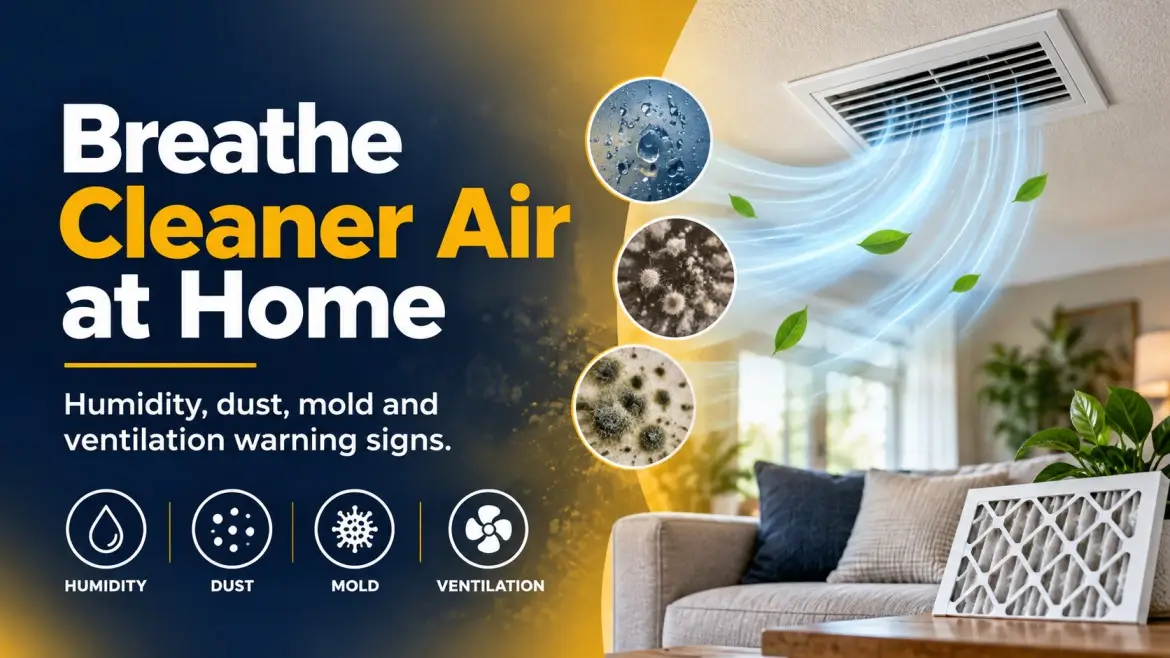
- Better indoor air quality through regular filter changes and removal of dust and debris.
- Improved safety with inspections that check venting, combustion, and carbon monoxide risk.
- Greater reliability and fewer emergency repairs because small issues are found before they fail.
Putting these benefits into numbers helps homeowners compare the cost of a tune-up to the expenses it can prevent.
Introductory comparison of maintenance benefits and their typical impacts:
| Benefit Area | Typical Improvement | Cost Impact |
|---|---|---|
| Energy Efficiency | Up to 5–15% improved operational efficiency when components are cleaned and calibrated | Lower monthly heating bills; quicker payback on tune-up cost |
| Equipment Lifespan | Noticeable reduction in premature component failure; potential to extend useful life by several years | Delays expensive replacements and preserves equipment value |
| Indoor Air Quality | Fewer particulates and allergens circulated | Health and comfort benefits; potential reduction in allergy-related expenses |
| Safety | Early detection of venting or combustion issues | Avoids carbon monoxide hazards and costly emergency repairs |
| Reliability | Reduced unscheduled downtime during peak season | Less need for emergency service and replacement parts |
This table shows how targeted maintenance actions translate into real homeowner benefits and supports the decision to schedule tune-ups. Next we explain how cleaning, calibration, and diagnostics actually lower energy use and utility costs.
How Does Heating Maintenance Improve Energy Efficiency and Lower Bills?
A proper maintenance visit restores airflow, ensures clean combustion, and calibrates controls so your system works as designed. When burners, heat exchangers, and blower assemblies are cleaned and adjusted, the system needs less fuel or electricity to reach the same comfort level — and that reduces monthly bills. For example, removing obstructions and replacing dirty filters reduces blower workload and can cut energy use by a measurable amount. Correct thermostat calibration also prevents short cycling, which wastes energy. Energy authorities often point to preventative maintenance as one of the simplest ways to capture efficiency gains and turn them into household savings.
Those efficiency improvements help you decide how often to service equipment and whether to enroll in a regular maintenance plan, which we cover later.
In What Ways Does Maintenance Extend Your Heating System’s Lifespan?
Regular maintenance prevents the gradual wear that dirt, misalignment, and intermittent faults cause. Simple tasks like lubrication, belt and motor checks, and timely replacement of worn parts reduce mechanical stress and help avoid premature failure. Inspections can also spot heat exchanger corrosion or cracks before they force a costly replacement. Keeping a maintenance record lets technicians make targeted repairs at the right time instead of waiting for a breakdown. Even a few extra years of service life spreads replacement costs and improves the return on your original equipment investment.
Seeing lifespan extension as a clear benefit helps homeowners weigh tune-up costs against longer-term capital expenses and leads into the detailed checklist below.
What Does a Comprehensive Furnace Maintenance Checklist Include?
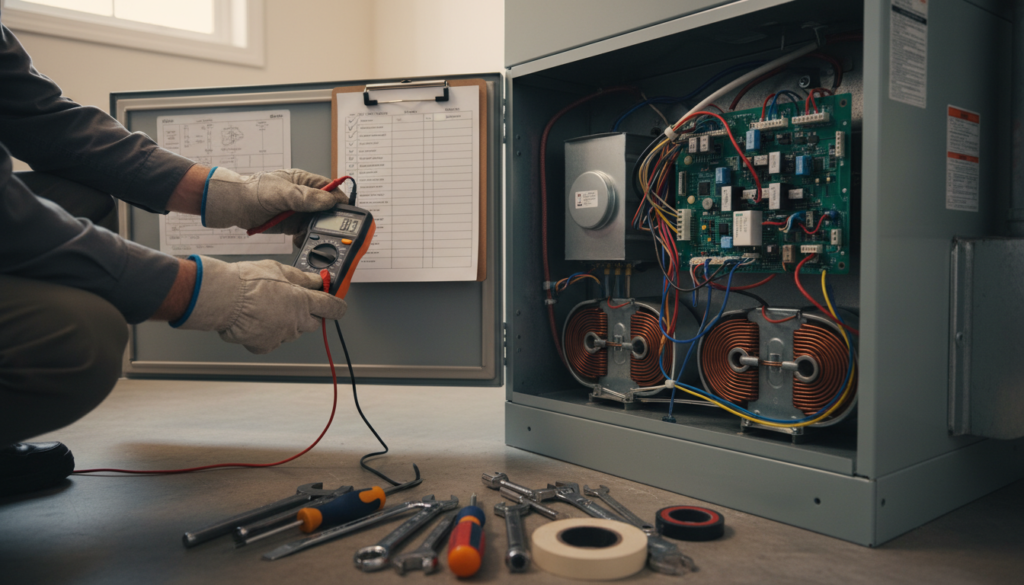
A full furnace maintenance checklist covers inspection, cleaning, calibration, replacement of wear items, and safety testing to keep your system running safely and efficiently. Professional tune-ups follow a clear workflow: visual and diagnostic checks, cleaning combustion and airflow components, testing safety devices, and documenting findings with recommended repairs. The numbered checklist below outlines the core tasks technicians perform and explains why each one matters for performance, safety, and longevity.
Sharing a clear checklist helps homeowners know what to expect during a visit and how each task links to measurable results.
- Visual Inspection and Diagnostics: Check overall condition, look for leaks, corrosion, and loose connections.
- Burner and Combustion Cleaning: Remove soot and buildup so fuel burns efficiently and CO risk drops.
- Heat Exchanger Inspection: Look for cracks or corrosion that can create safety and efficiency problems.
- Filter Replacement and Airflow Check: Restore proper airflow to ease blower strain and improve heat distribution.
- Blower and Motor Maintenance: Clean and lubricate moving parts to reduce friction and extend component life.
- Control and Thermostat Calibration: Verify settings and temperature control to prevent short cycling.
- Safety Device Testing: Test limit switches, pressure switches, and ignition systems to avoid hazardous conditions.
- Documentation and Recommendations: Record findings and advise on repairs, replacement timing, and efficiency upgrades.
Each checklist item targets a specific outcome that protects safety and efficiency while cutting the chance of mid-season failures. Factory-trained technicians typically follow manufacturer procedures and quality standards when performing these tasks.
The table below links common components to the maintenance action and the expected benefit for easy reference.
| Component | Maintenance Task | Expected Outcome |
|---|---|---|
| Filter | Replace or clean filter | Restored airflow and improved indoor air quality |
| Burner Assembly | Clean and adjust burners | More efficient combustion and reduced emissions |
| Heat Exchanger | Inspect and test | Early detection of cracks to prevent CO hazards |
| Blower Motor | Clean, inspect, and lubricate | Lower friction, quieter operation, extended motor life |
| Thermostat | Calibrate and test | Accurate temperature control and reduced short cycling |
This mapping shows how specific tasks translate into concrete performance and safety benefits. Next, we describe the typical technician workflow and explain why filter replacement is especially impactful.
Which Essential Tasks Are Performed During a Heating Tune-Up?
On a tune-up, technicians start with a visual inspection and system diagnostics, then clean critical components and run safety and performance tests. The visit moves logically from external checks to internal inspection: venting and combustion, burners and heat exchangers, filters, controls, and safety devices. Each step corrects small inefficiencies and identifies worn parts before they fail, reducing the chance of emergency calls. Technicians also record observations and suggest prioritized repairs so you can make informed choices about fixes or future replacements.
Knowing the tune-up workflow makes it easier to read your service report and follow any recommendations — which ties into why regular scheduling and plan enrollment matter.
How Does Regular Filter Replacement Enhance System Performance?
Changing filters regularly keeps airflow steady, protects sensitive components from dust, and improves indoor air quality. A clogged filter forces the blower to work harder, raises energy use, can create uneven heating, and adds wear to the blower assembly. Choosing the right filter rating (pick MERV recommendations that fit your system) and replacing filters on schedule prevents these problems and keeps efficiency high. Many homeowners can swap basic disposable filters themselves, but professional visits make sure the correct grade is used and let technicians spot related issues like duct gaps or leaks.
Good filter management is a low-effort, high-impact step that supports energy savings and fewer service needs.
When and How Often Should You Schedule Heating System Maintenance?
We recommend annual heating maintenance, ideally in the fall before the heating season, so your system is ready for steady use. Annual service matches seasonal patterns, addresses wear from summer, and cuts the risk of mid-winter breakdowns when repair demand is high. Homes with combined HVAC systems or heavy use may benefit from biannual checks (once for heating, once for cooling). Regular scheduling protects warranties, keeps a service history, and makes upkeep predictable — all helpful for resale value and peace of mind.
Understanding timing helps homeowners plan proactively rather than reactively, and that’s where a maintenance plan that handles scheduling for you becomes valuable.
Maintenance plans offer specific perks like priority scheduling during peak season and automated reminders so visits happen before heavy-use periods. The Energy Savings Plan offered by local providers bundles seasonal tune-ups with priority response and discounts, helping homeowners capture efficiency and reliability benefits while making upkeep easy. For many households, plan membership removes the hassle of remembering tune-ups and prevents skipped service that can lead to costly emergency repairs.
Because fall maintenance is so important for winter readiness, the next section explains how a fall check reduces winter risk and what readiness tasks should be included.
Why Is Annual Fall Maintenance Critical Before Winter?
Fall maintenance prepares your system for the long run of winter use, reducing the chance of mid-season breakdowns and emergency calls. A fall tune-up confirms safe ignition, steady fuel delivery, proper ventilation, and working safety controls before temperatures drop. Fixing worn belts, topping off refrigerant in combined systems, or addressing a marginal motor in the fall prevents those items from failing when it’s cold outside. Fall service also makes it easier to get parts and appointment times and gives you confidence your system will hold up through winter.
Scheduling in the fall also sets the stage for plan benefits like priority service when you need it most.
What Are the Advantages of Joining an HVAC Maintenance Plan Like the Energy Savings Plan?

A maintenance plan like the Energy Savings Plan gives you scheduled seasonal visits, priority scheduling during busy periods, reminder services, and member pricing on repairs. Plans take the guesswork out of remembering tune-ups, maintain a clear service history, and can reduce out-of-pocket costs through discounted rates or bundled visits. The Energy Savings Plan creates a predictable service cadence that helps you capture efficiency and lifespan benefits while delivering the convenience of managed maintenance. If you prefer “set it and forget it,” a plan turns critical but occasional tasks into an ongoing routine.
Understanding plan features helps homeowners decide whether enrollment fits their needs and leads naturally into how preventative service cuts emergency repair costs.
How Can Preventative Heating System Service Help Avoid Costly Repairs?
Preventative service spots early signs of wear — like failing ignitors, worn blower motors, or minor heat exchanger issues — before they become expensive repairs or require full replacement. Small inspections and minor fixes usually cost far less than emergency work during peak season, when parts and labor are in higher demand and decisions may be rushed. Preventative service also helps maintain energy efficiency, which lowers lifetime operating costs. Below is a short list of common failure modes that routine maintenance catches and how checklist items address them.
Preventative maintenance delivers immediate savings (by avoiding emergency fees) and long-term value by preserving efficiency and postponing major capital expense.
Common heating problems prevented by regular maintenance include:
- Ignition and ignition-control failures prevented by burner cleaning and control checks.
- Blower motor and bearing failures avoided by lubrication and load inspections.
- Heat exchanger deterioration or cracks found early through visual inspection and testing.
- Short cycling and thermostat-related wear minimized by calibration and control adjustments.
What Common Heating Problems Are Prevented by Regular Maintenance?
Regular maintenance prevents predictable issues like loss of heat from ignition failures, noisy operation from worn fans or bearings, inefficiencies from clogged filters, and premature part failure from excess stress. By cleaning and testing ignition systems, tuning controls, and checking moving parts, technicians stop small faults from turning into big repairs. In many cases, fixing a minor blower problem early prevents an expensive motor replacement later, and catching combustion issues early avoids dangerous carbon monoxide leaks. Preventative work turns reactive, high-cost repairs into planned, lower-cost fixes.
These preventive steps also lower your overall risk and tie directly into the safety checks covered next.
How Does Early Detection of Safety Issues Protect Your Home?
Early detection protects your home by finding venting problems, cracked heat exchangers, fuel leaks, and combustion irregularities before they create hazards like carbon monoxide exposure or fire risk. Professional inspections include combustion analysis and vent integrity checks that reveal leaks or incorrect drafts needing immediate repair. A documented maintenance visit shows safety checks were completed, and technicians can recommend extra protections like CO detectors and emergency steps. Prioritizing safety checks during routine maintenance reduces risk to occupants and can prevent expensive emergency mitigation.
Safety inspections are a core reason to schedule annual tune-ups and a key selling point for maintenance plans and qualified local technicians.
Why Choose Fontenot’s Air Conditioning & Heating for Your Heating Maintenance Needs?
Fontenot’s Air Conditioning & Heating is a local, family-owned HVAC contractor serving Lafayette, Broussard, Youngsville, and the Acadiana area. We focus on fast, reliable heating service and a full-service approach that keeps your home safe and efficient. Our factory-trained Comfort Specialists perform maintenance to manufacturer standards, many services carry a 12-month workmanship guarantee, and parts are covered by manufacturer warranties — all signals that the job is done right. We also offer financing options, including 0 percent APR for 60 months with approved credit, to help manage larger repairs or replacements when needed.
That local focus leads into a short look at the Energy Savings Plan and how our technicians deliver value on each visit.
What Unique Benefits Does Fontenot’s Energy Savings Plan Offer?

The Energy Savings Plan bundles seasonal tune-ups with member perks designed to lock in efficiency and reliability while simplifying scheduling. Typical features include scheduled seasonal or annual visits, priority appointments during busy times, and member pricing on repairs and parts. Enrollment creates a documented service history, sends reminders for upcoming visits, and speeds response when urgent repairs are needed. For homeowners who want value and convenience, the Energy Savings Plan turns maintenance into a simple, managed program.
Describing plan elements makes the member experience clearer and ties into the technician qualifications that ensure plan services are done well.
How Do Factory-Trained Comfort Specialists Ensure Quality Service?
Factory-trained Comfort Specialists bring product-specific knowledge and recommended procedures to every visit, so they understand manufacturer tolerances and testing protocols for combustion, controls, and parts replacement. Their on-truck inventory of common parts shortens downtime and reduces repeat visits, and formal training helps them follow safe workflows that protect warranties and extend system life. Fontenot’s workmanship guarantee and manufacturer-backed part warranties give extra confidence that repairs and maintenance meet quality standards.
These service-quality features pair with plan enrollment to prevent costly repairs, which we explore next in the cost section.
What Are the Typical Costs and Value of Heating System Maintenance in Lafayette, LA?
Clear cost comparisons help homeowners weigh scheduled maintenance against the potential expense of emergency repairs or replacement in the Lafayette area. Professional furnace tune-ups usually cost far less than common emergency fixes; investing in annual maintenance reduces the chance of expensive repairs and helps preserve efficiency that lowers monthly bills. Financing options can spread larger repair or replacement costs over time, and local maintenance plans offer predictable, budget-friendly ways to secure seasonal service. The table below compares common service types and local cost ranges against emergency scenarios to show the value of preventative care.
| Service Type | Typical Cost Range | Cost vs Emergency Repair |
|---|---|---|
| Annual furnace tune-up | $100–$300 (typical range) | Significantly less than common emergency repairs; preventive value high |
| Minor repair (ignitor, sensor) | $150–$500 | Preventable if issues are caught early during maintenance |
| Major repair (blower motor, heat exchanger) | Several hundred to over a thousand | Often avoided or deferred with regular maintenance |
| Replacement HVAC equipment | Multiple thousands | Maintenance delays replacement and reduces lifecycle cost |
This comparison shows that routine maintenance is a modest investment compared with the cost of emergency or replacement work, reinforcing the financial sense of scheduled service. The next section offers a concise ROI comparison and outlines financing options from local providers.
How Does the Cost of a Furnace Tune-Up Compare to Emergency Repairs?
A tune-up usually costs a fraction of an emergency repair or major component replacement, which can reach hundreds or thousands depending on the part. Regular tune-ups in the low hundreds can prevent ignitor failures, blower motor replacements, and heat exchanger problems that carry much higher price tags. Keeping systems efficient also yields energy savings over time, which improves the overall return on a tune-up. Comparing likely repair scenarios shows preventative maintenance is a cost-effective hedge against large, unexpected bills.
If a bigger repair or replacement is needed, financing options can help spread the cost so you don’t delay essential work.
What Financing Options Are Available for Heating Maintenance Services?
Financing makes repairs and replacements more manageable for homeowners. One common promotion is 0 percent APR for 60 months with approved credit, which spreads larger costs over time without interest. This option reduces the immediate burden and lets you make timely decisions that restore safe, efficient operation. Eligibility depends on approved credit and provider terms, so discuss financing during your service call. Financing works alongside the savings from routine maintenance to keep comfort and safety on schedule.
This financing overview completes the cost picture and supports practical decisions for homeowners weighing maintenance and repair choices.
Frequently Asked Questions
1. How can I tell if my heating system needs maintenance?
Look for signs like odd noises, uneven heating, rising energy bills, or unusual smells. Frequent on/off cycling or reduced airflow are also red flags. Check your air filter regularly — a dirty filter is a common, easy fix. If you see any of these symptoms, schedule a professional inspection before a small problem becomes a big one.
2. What should I expect during a heating system maintenance visit?
A technician will do a full inspection: check for leaks, clean burners, inspect the heat exchanger, replace or recommend a filter change, and test safety devices. They’ll also calibrate controls and document findings, suggesting any repairs or adjustments to keep your system running safely and efficiently throughout the season.
3. Can I perform heating system maintenance myself?
You can handle simple tasks like changing disposable filters and keeping vents clear, but most maintenance should be done by a pro. Technicians have the training and tools to inspect combustion, test safety devices, and clean components properly. Attempting more complex work without the right skills can create safety issues or void warranties.
4. How does regular maintenance affect indoor air quality?
Regular maintenance improves indoor air by ensuring filters are clean and by removing dust and debris from the system. Technicians replace or clean filters and clear buildup that would otherwise circulate allergens and particulates. Cleaner air makes your home more comfortable and healthier, especially for people with allergies or breathing conditions.
5. What are the risks of neglecting heating system maintenance?
Skipping maintenance can lead to lower efficiency, higher energy bills, more breakdowns, and even safety hazards like carbon monoxide leaks or fire risk. Small issues compound over time, turning into major repairs or full system failures during peak season. Regular tune-ups reduce these risks and keep your system dependable.
6. How can I find a qualified technician for heating maintenance?
Ask neighbors, friends, or family for recommendations and check online reviews. Look for licensed, insured technicians with experience on your system type. Companies that offer maintenance plans typically have trained crews following industry best practices, which is a good sign of consistent quality.
7. What should I do if my heating system breaks down?
First, check your thermostat and power supply. If the system still won’t run, call a qualified HVAC technician for emergency service. Don’t try major repairs yourself — that can be unsafe and may cause more damage. Note any symptoms you’ve observed to help the technician diagnose the problem faster.
Conclusion
Regular heating maintenance keeps your home safer, more comfortable, and more energy-efficient. Routine tune-ups help prevent costly repairs, extend equipment life, and improve indoor air quality — all reasons to make maintenance a priority. Schedule your maintenance visit today and enjoy the peace of mind, lower bills, and dependable comfort that come from a well-maintained heating system.