Keeping your heating system serviced—inspection, cleaning and small repairs—prevents minor problems from turning into emergencies. This guide walks you through what heating maintenance includes, why it lowers bills and keeps your family safe, and why it lowers bills and keeps your family safe, and how to choose the best heating maintenance services so you pick the right plan for your home. Homeowners usually want a tune-up that cuts operating costs, extends equipment life, and improves indoor air quality; this article links those goals to practical selection criteria and easy checklists.
You’ll find the main benefits of an annual service, the checklist items technicians should perform, timing tips for furnaces, heat pumps and boilers, and a simple cost comparison between maintenance and emergency repairs.
We also include an at‑a‑glance provider comparison and a breakdown of Fontenot’s Energy Savings Plan for Acadiana residents. Throughout, we use common search phrases like heating maintenance, furnace maintenance checklist, heat pump inspection, and HVAC preventative maintenance to match what people are looking for and help you choose a trusted, cost-effective provider.
Why Regular Heating Maintenance Matters for Your Home
Regular heating maintenance is a proactive visit where a technician inspects, tests and services your system to keep it safe, efficient and dependable. By checking parts such as filters, the blower motor, heat exchanger, burner assembly and thermostat, a service visit eases strain on the system and spots early wear before it gets worse.
The results for homeowners are clear: lower monthly heating bills, fewer emergency calls, longer equipment life and better indoor air quality from cleaner filters and ducts. Those benefits matter in Acadiana, where humidity and variable winter weather can put extra stress on systems—so scheduling maintenance before heavy use gives you the best reliability and safety. Next, let’s look at the specific gains you should expect from an annual heating visit.
Key Benefits of an Annual Heating Service
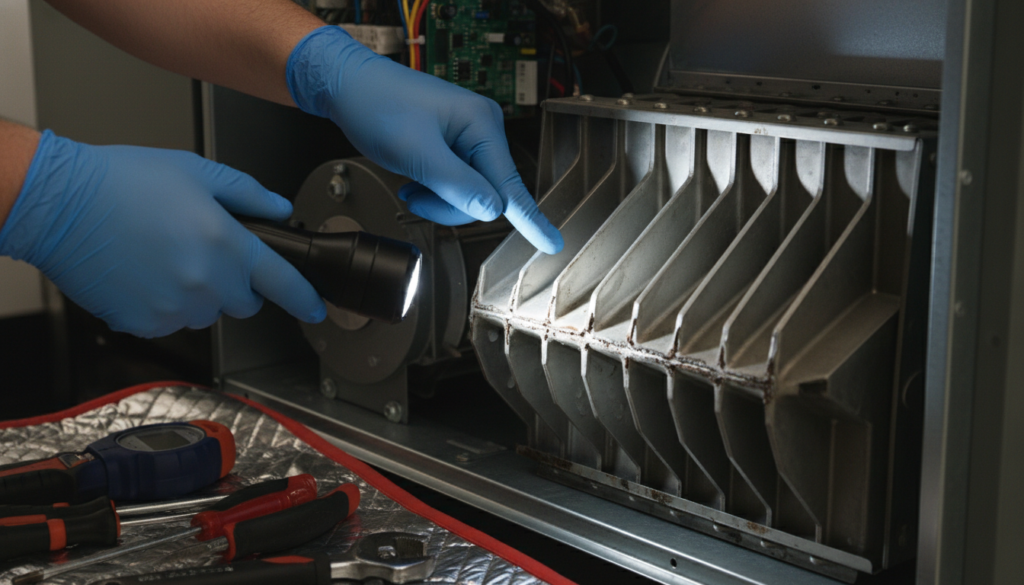
An annual heating service delivers practical wins for safety, comfort and cost. Technicians will clean or replace filters, test safety controls, inspect the heat exchanger for damage and check burner operation—steps that reduce combustion risks and restore efficient performance. Typical energy savings for neglected or older systems run in the 5–15% range, and regular tune‑ups can delay costly replacements by several years. For you, that means steadier temperatures, fewer surprise breakdowns and service records that help with warranty claims. Those outcomes lead directly into how maintenance produces ongoing energy savings and lower bills.
How Maintenance Improves Efficiency and Lowers Costs
Heating maintenance boosts efficiency by restoring proper combustion, removing airflow restrictions and making sure thermostats and controls communicate correctly with your system. Cleaning burners and coils, changing clogged filters, lubricating moving parts and calibrating thermostats all reduce the energy needed to reach set temperatures. Fixing airflow and replacing dirty filters alone can cut consumption by a useful single-digit percentage, and routine tune‑ups reduce the risk of expensive emergency repairs. Over time, regular maintenance means fewer breakdowns, postponed replacements and lower lifetime operating costs—which is why preventive HVAC maintenance is cost effective.
What to Look for in a Professional Heating Maintenance Service
When choosing a heating maintenance provider, check technician credentials, the thoroughness of the checklist, pricing transparency, warranty details and emergency response. A good company will document what they inspected, explain any recommended repairs and offer clear plan or pricing options so there are no surprises. Look for factory‑trained or manufacturer‑trained technicians who have experience with furnaces, heat pumps and boilers—those credentials reduce diagnostic errors and protect combustion work. Below we cover why technician certification matters and what to ask before you book a tune‑up.
Why Certified, Experienced Technicians Matter
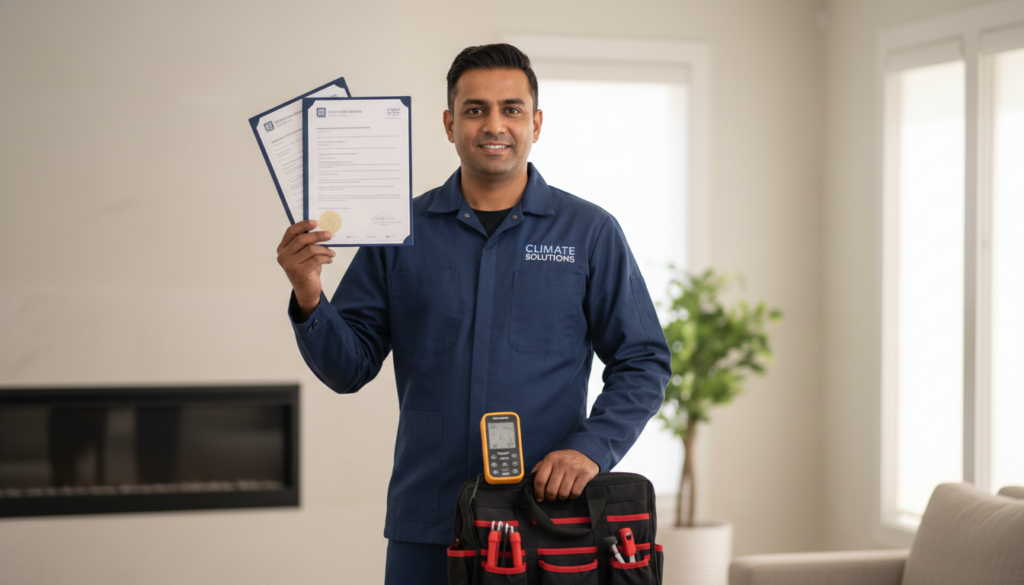
Certified and experienced technicians bring both component knowledge (like the heat exchanger and blower motor) and safe diagnostic procedures that protect your home and family. Factory or manufacturer training helps techs spot subtle signs of exchanger distress, combustion problems or refrigerant issues on heat pumps—reducing safety risks and misdiagnoses. Ask providers about technician training, whether they use manufacturer checklists, and if their work includes a workmanship guarantee. Clear answers show professionalism and accountability. With those qualifications in mind, here’s what a comprehensive tune‑up should include.
What a Comprehensive Heating Maintenance Checklist Covers
A thorough furnace maintenance checklist inspects, cleans and tests core parts and records results for the homeowner. Typical tasks include checking or replacing air filters, cleaning and inspecting burners, testing the heat exchanger for cracks, verifying gas connections and combustion safety, checking blower motor function and belt tension, and calibrating thermostat settings. Technicians may also inspect ducts for leaks, check venting and flues, and verify airflow and system pressures; carbon monoxide and gas‑leak safety tests are standard. The short table below summarizes common tasks, why they matter and the expected outcome so you can compare service promises at a glance.
Checklist overview to compare what technicians inspect, why it matters and the expected result.
| Component Checked | Purpose | Expected Outcome |
|---|---|---|
| Air Filter | Remove airflow restrictions and improve indoor air quality | Better airflow, lower energy use and cleaner indoor air |
| Heat Exchanger | Find cracks or corrosion that could cause CO leaks | Confirm safe combustion or recommend repair/replacement |
| Blower Motor & Fan | Verify proper airflow and motor condition | Stable airflow, lower electrical draw and longer motor life |
| Burner Assembly | Optimize fuel combustion and ignition | More efficient heating, lower fuel costs and reliable starts |
When Should You Schedule Furnace or Heating Maintenance?
Schedule heating maintenance before the heating season so your system is inspected and tuned while demand is still low and parts are more available. For most homeowners that means booking service in early fall—late September is a good target—so filters can be changed and any issues fixed before cold weather spikes service demand. Proactive timing reduces mid‑winter failures and helps keep efficiency high throughout the heating months. Next, we outline recommended frequencies by system type and note exceptions that may need more frequent attention.
How Often to Schedule Maintenance for Different Systems
Frequency depends on system type and use: most furnaces and boilers do well with one annual inspection, while heat pumps often benefit from two checks a year—one before heating season and one before cooling season—to cover both modes. Homes with heavy use, older equipment, or poor indoor air quality may need more frequent checks or filter changes every 1–3 months. Radiant and boiler systems usually follow an annual schedule focused on pressure checks and combustion safety, while thermostat calibration and airflow testing are typical at each visit. These baselines help you plan appointments and reduce the risk of expensive mid‑season issues.
Risks of Putting Off Tune‑Ups
Delaying tune‑ups raises the chance of emergency repairs, unsafe operation, higher utility bills and earlier equipment replacement. A neglected heat exchanger can develop cracks that let carbon monoxide into your home; restricted airflow and dirty burners lower efficiency and speed wear on motors and controls. Small problems left unaddressed often become major repairs that cost many times a regular tune‑up—often at the worst possible time, when service is in high demand. That’s why preventive HVAC maintenance is a smart financial and safety decision.
Preventive Maintenance Strategy for Enhanced Resilience and Reliability: A Cost-Benefit Analysis This study uses cost–benefit analysis to compare preventive maintenance scenarios, examining costs for maintenance, resilience and reliability. It also looks at reliability and resilience indicators across different situations and presents system resilience diagrams for accident severity. The authors use simulation results to identify the preventive maintenance scenario that best improves resilience and reliability for the distribution network. Providing a preventive maintenance strategy for enhancing distribution network resilience based on cost–benefit analysis, ME Hajiabadi, 2023
How Maintenance Costs Compare to Emergency Repairs

When you compare routine maintenance with emergency repairs, the advantage is clear: tune‑ups are a modest, predictable investment that greatly reduce the chance and severity of costly failures. Annual heating maintenance usually falls within an expected price range based on system type and included tasks, while emergency fixes—like heat exchanger replacement, blower motor failure or refrigerant work—can be several times more expensive and happen unpredictably. Preventive maintenance lowers lifetime ownership costs by improving efficiency, cutting downtime and protecting warranty eligibility. The simple table below gives a quick cost‑value comparison.
Cost comparison showing typical ranges for maintenance and emergency repairs to illustrate the ROI of preventive service.
| Service Type | Typical Cost Range | Typical Impact |
|---|---|---|
| Annual Maintenance | $80 – $250 | Lower energy use, fewer breakdowns, documented service history |
| Minor Repair (non-emergency) | $150 – $600 | Quick restoration of function at a moderate cost |
| Major Emergency Repair | $600 – $3,000+ | High immediate expense, possible downtime and partial replacement |
Average Cost of Heating Maintenance Services
Prices for a tune‑up vary with system complexity, diagnostics included and local market rates, but the baseline typically covers inspection, basic cleaning, filter service and safety tests. Cost drivers include system type (furnace, heat pump or boiler), any needed parts or repairs, and whether the visit is part of a bundled maintenance plan. Membership or preventive agreements often reduce the effective per‑visit cost and include repair discounts, which makes budgeting simpler. When you get quotes, ask for a clear itemized list of what’s included so you can compare services fairly.
How Preventive Maintenance Saves Money Over Time
Preventive maintenance cuts long‑term costs by reducing emergency repairs, extending equipment life and improving energy efficiency. A well‑maintained system that runs 5–15% more efficiently saves on annual fuel or electric bills, and avoiding a single major emergency repair can offset many years of tune‑up costs. Keeping records of regular service also helps with warranty claims and may improve resale value. Those financial benefits show why being proactive usually costs far less than reacting to failures.
Why Fontenot’s Energy Savings Plan Works for Acadiana Homes
Fontenot’s Air Conditioning & Heating offers the Energy Savings Plan — a local preventive maintenance option built for Acadiana homeowners who want reliable heating care and clear value. The plan includes two scheduled preventive visits per year, a comprehensive inspection that follows the checklist above, discounts on repairs, and help with manufacturer warranties plus a 12‑month workmanship guarantee. Fontenot’s model highlights factory‑trained comfort specialists, a family‑owned local team serving Lafayette, Broussard, Youngsville and nearby communities, and extended emergency availability for heating repairs. The table below summarizes the plan so you can quickly see what’s included.
Overview of Fontenot’s Energy Savings Plan inclusions and practical benefits for homeowners.
| Plan Component | Attribute | Value |
|---|---|---|
| Scheduled Visits | Frequency | Two preventive visits per year |
| Inspection Scope | Includes | Filter check/change, burners, coils, thermostat calibration, safety checks |
| Cost Benefits | Member Perks | Discounts on repairs and help with warranties |
| Guarantees & Support | Protection | 12‑month workmanship guarantee; manufacturer‑backed parts warranties |
What the Energy Savings Plan Covers
The Energy Savings Plan includes two preventive visits each year covering inspections and cleaning: filter checks, burner and heat exchanger inspections, blower and motor checks, thermostat calibration and combustion/safety testing. Members get priority scheduling, repair discounts, help with manufacturer warranty claims and the confidence of a workmanship guarantee for service labor. The visits align with the furnace maintenance checklist and also touch on common components like ductwork, heat pump refrigerant lines and control wiring to reduce emergency repairs. Knowing what’s covered helps you decide whether the plan fits your system and usage.
Why Choose Fontenot’s Air Conditioning & Heating
Fontenot’s stands out as a family‑owned, local company with factory‑trained comfort specialists serving Acadiana—Lafayette, Broussard, Youngsville and nearby towns. We prioritize fast response, clear documentation and guarantees that protect your investment. The Energy Savings Plan is designed to lower long‑term costs through proactive care, backed by workmanship protection and manufacturer warranty support. Financing options and occasional promotions also help homeowners manage larger repairs or replacements. For many local homeowners, Fontenot’s combination of scheduled visits and local support is a practical way to keep heating systems running reliably.
Common Questions About Heating Maintenance
Homeowners often ask about how often to service systems, what a tune‑up covers, costs and what to expect after a visit. The short FAQ below gives direct, practical answers to help you decide when to book service or compare plans. The next items cover two of the most common questions: how often to service a furnace and what a standard tune‑up includes.
How Often Should I Get My Furnace Serviced?
Plan for one furnace service a year before the heating season to ensure safe, efficient operation. Heat pumps often need two visits a year—before heating and before cooling—because they handle both modes. If your system is older, used heavily, or your home is dusty or pet‑heavy, consider more frequent filter changes and checks. If you’re overdue or notice poorer performance, schedule maintenance soon to avoid emergency repairs.
What’s Included in a Heating System Tune‑Up?
A typical tune‑up includes filter inspection or replacement, burner cleaning and adjustment, heat exchanger inspection, blower motor service, thermostat calibration and safety checks such as combustion analysis and CO testing when appropriate. Your technician should give a post‑service report listing what was inspected, any parts replaced and any recommended follow‑up repairs or upgrades. That documentation makes it easier to compare providers and helps preserve warranties. With those expectations set, you can pick a maintenance option that fits your system and budget.
If you’re ready to schedule maintenance or compare local preventive plans, Fontenot’s Energy Savings Plan provides structured visits, a documented scope and quick local response to keep heating systems dependable in Acadiana. Fontenot’s Air Conditioning & Heating serves Lafayette, Broussard, Youngsville and surrounding communities with factory‑trained comfort specialists, a family‑owned approach, and plan features that include two annual visits, repair discounts and warranty support. Members also get workmanship guarantees and extended seven‑day emergency response for heating repairs to reduce unexpected costs and keep systems running.
To ask about the plan or schedule service, call (337) 789-6070 or visit our office at 726 Albertson Pkwy, Broussard, LA 70518—our team will explain plan details, financing options and available times that work for your home.
Frequently Asked Questions
What are the signs that my heating system needs maintenance?
Watch for unusual noises, uneven heating, higher energy bills or frequent on/off cycling—these often mean service is due. A burning smell or a yellow flame (instead of blue) can signal a serious issue and needs prompt attention. Poor indoor air quality or increased respiratory irritation in the home are also signs it’s time for a thorough inspection. Regular maintenance helps stop these problems before they become costly repairs.
Can I perform heating maintenance myself?
You can handle simple tasks like changing air filters and clearing vents, but most comprehensive maintenance should be done by a pro. Technicians have the training and tools to safely inspect parts such as the heat exchanger and burner assembly. Attempting complex work without experience can be unsafe and might void warranties. For safe, reliable results, schedule professional service.
How can I find a reliable heating maintenance service?
Start with recommendations from neighbors, family or friends, and check online reviews. Choose providers with certified technicians, transparent pricing and a clear maintenance checklist. Local companies that understand Acadiana’s climate are a plus. Ask about warranties, workmanship guarantees and references—reliable providers will share this information willingly.
What should I do if my heating system breaks down?
First, check the thermostat and circuit breakers to make sure the system has power. If everything looks normal but the system won’t run, call a professional right away and describe what you’re seeing. Don’t try complicated repairs yourself—this can cause more damage or safety risks. Many companies offer emergency service, so ask about availability when you call.
Are there any energy efficiency programs for heating maintenance?
Yes—many utilities and local programs offer rebates, incentives or discounts for energy‑efficient upgrades and regular maintenance. Some programs even provide financial help for low‑income households. Check with your local utility to see what’s available in your area. Taking advantage of these programs can lower your bills and extend the life of your system.
What should I expect after a heating maintenance visit?
After a visit, expect a clear report listing services performed, any issues found and recommended follow‑up work. Your technician should explain safety test results (like carbon monoxide checks) and any adjustments made to improve efficiency. A documented service history helps you track performance and supports warranty claims. If repairs are needed, the tech should give a written estimate and explain your options.
Conclusion
Regular heating maintenance keeps your system safe, efficient and dependable—saving you money and reducing emergency repairs. Choose a qualified provider and stick to a preventive plan to get longer equipment life and better indoor air quality. Don’t wait for a breakdown—take a proactive step to protect your home’s comfort and safety. Contact Fontenot’s Air Conditioning & Heating to learn more about the Energy Savings Plan and schedule your maintenance visit.